
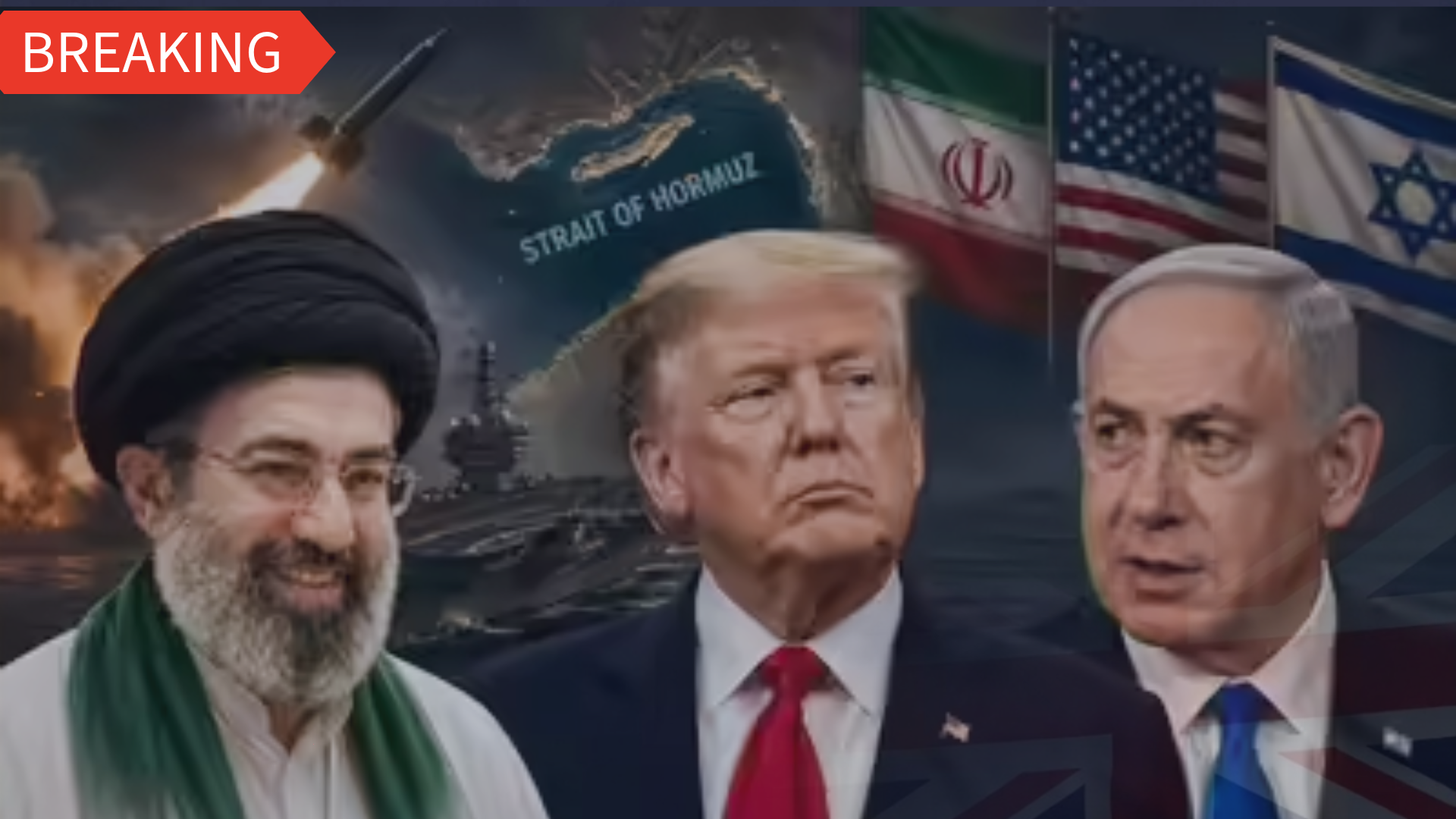
A major diplomatic breakthrough appears to be underway in the Middle East after the United States and Iran reached a framework agreement to end months of military hostilities, paving the way for the reopening of the strategically vital Strait of Hormuz and triggering a strong rally across global financial markets.
The agreement, which is expected to be formally signed in Geneva on June 19, marks the most significant step toward peace since the conflict erupted earlier this year. According to officials involved in the negotiations, the framework includes an immediate cessation of hostilities and the gradual restoration of commercial shipping through the Strait of Hormuz, a maritime corridor responsible for roughly one-fifth of global oil shipments.
The Key Terms of the Agreement Include
According to diplomatic sources familiar with the negotiations, the framework agreement was brokered through mediation led by Pakistan and Qatar and establishes a detailed roadmap to end months of military confrontation between Washington and Tehran.
The agreement requires an immediate cessation of military operations across all active theatres linked to the conflict. Officials say the arrangement extends beyond direct US-Iran hostilities and includes provisions designed to de-escalate wider regional tensions, including military activity connected to the Israel-Hezbollah conflict in Lebanon.
As part of the agreement, the United States will immediately remove naval restrictions affecting Iranian ports, while Iran has committed to reopening the Strait of Hormuz to international commercial shipping. The strategic waterway carries roughly 20% of the world’s seaborne oil supply and has been at the centre of global energy security concerns throughout the conflict.

Iran has also reportedly agreed to suspend transit fees for commercial vessels passing through the Strait of Hormuz during a 60-day ceasefire period. In addition, Iranian military forces will begin clearing naval mines deployed during the conflict to restore safe navigation for international shipping companies.
Nuclear Programme Remains Central Issue
The framework also establishes initial conditions relating to Iran’s nuclear programme.
Under the preliminary terms, Iran will dilute part of its enriched uranium stockpile as confidence-building measures begin. Intelligence assessments indicate Iran currently possesses more than 9,000 kilograms of enriched uranium, including approximately 440 kilograms enriched to levels approaching weapons-grade material.
A 60-day negotiation window will now begin following the formal signing of the framework agreement in Geneva on June 19. During that period, negotiators will attempt to reach a comprehensive settlement covering sanctions relief, access to frozen Iranian assets, future nuclear restrictions, international inspections, and broader regional security arrangements.
Officials familiar with the talks indicated that failure to secure a final agreement during the negotiation period could trigger the collapse of the ceasefire framework and potentially lead to renewed hostilities.
Markets Celebrate Prospect of Stability

Brent crude oil prices fell approximately 4.5%, dropping below $84 per barrel as traders anticipated the restoration of normal shipping operations through the Gulf. West Texas Intermediate crude stabilised near $81 per barrel, while European natural gas prices also declined sharply.
Asian stock markets recorded some of their strongest gains in months. Japan’s Nikkei 225 and South Korea’s KOSPI index both advanced by roughly 4.7%, reflecting investor optimism that lower energy prices could reduce inflationary pressures and improve global economic growth prospects.
The conflict had severely disrupted energy markets after Iran restricted access through the Strait of Hormuz, contributing to sharp increases in oil prices and raising concerns about global inflation. Analysts say the prospect of reopening the waterway could help ease pressure on businesses, consumers, and central banks worldwide.
Global Economic Impact
Economists say the reopening of the Strait of Hormuz could have far-reaching consequences for the global economy. During the crisis, energy prices surged, shipping routes were disrupted, and fears of prolonged supply shortages weighed heavily on financial markets. The latest developments have significantly improved investor sentiment.
Social media platforms including X, Reddit and Facebook were flooded with reactions following the announcement. Many users celebrated the prospect of lower fuel costs and reduced geopolitical tensions, while others urged caution until the final agreement is signed and implemented. Market commentators similarly warned that difficult negotiations still lie ahead, particularly regarding sanctions and nuclear oversight.
For now, however, the agreement represents one of the most significant diplomatic developments of 2026. If successfully finalized in Geneva next week, it could not only end months of conflict but also deliver much-needed stability to global energy markets and the wider international economy.