Concerns Raised Over Criminal Activity on UK High Streets
A major report from the Chartered Trading Standards Institute has raised concerns about the scale of suspected organised crime operating through retail businesses across the UK.
According to the findings, 97% of local Trading Standards officers say they are aware of businesses on their high streets that may be linked to illegal activity.
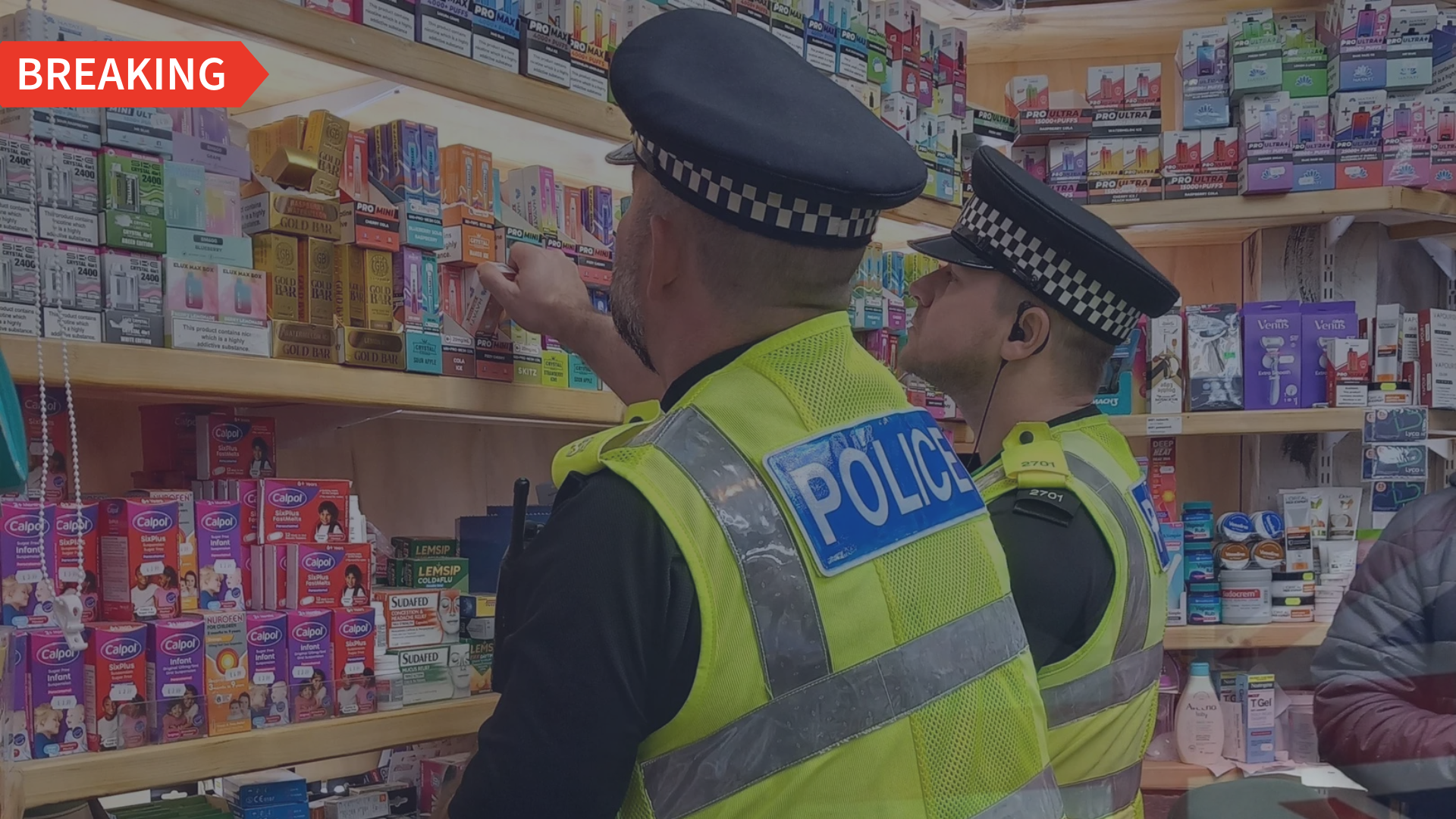
The report suggests that some groups are using everyday retail fronts, such as convenience shops and vape stores, to mask more serious operations.
Investigators say certain businesses are being used as a cover for wider criminal networks.
These operations are often cash-intensive, making it harder to track transactions and easier to conceal illicit activity. In some cases, this can include the sale of counterfeit goods, illegal products, or other offences.
Officials stress that not all businesses in these sectors are involved, but the report highlights patterns that have raised concern among enforcement teams.
The report identifies several urban areas where suspected activity is more concentrated, including parts of:
- London
- Birmingham
- Liverpool
- Areas within Greater Manchester, including Cheetham Hill and Salford
These locations are described as areas where enforcement agencies are already dealing with broader challenges linked to economic pressure and high footfall.
The report links the rise in suspected activity to reduced resources for enforcement.
Trading Standards services have seen significant budget cuts over the past decade, with estimates suggesting funding has fallen by around 50%.
Officials say this has limited the ability of local authorities to carry out inspections, investigations, and prosecutions at the same level as before.
Business groups warn that the presence of suspected illegal operations can have serious consequences for law-abiding traders.
Concerns include:
- unfair competition from untaxed or counterfeit goods
- damage to local reputations
- reduced consumer confidence
There are also wider economic implications, including potential losses in tax revenue.
Some local residents and community groups have raised concerns about the knock-on effects of suspected criminal activity.
These can include anti-social behaviour, the circulation of unsafe or illegal products, and a general decline in trust in local retail areas.
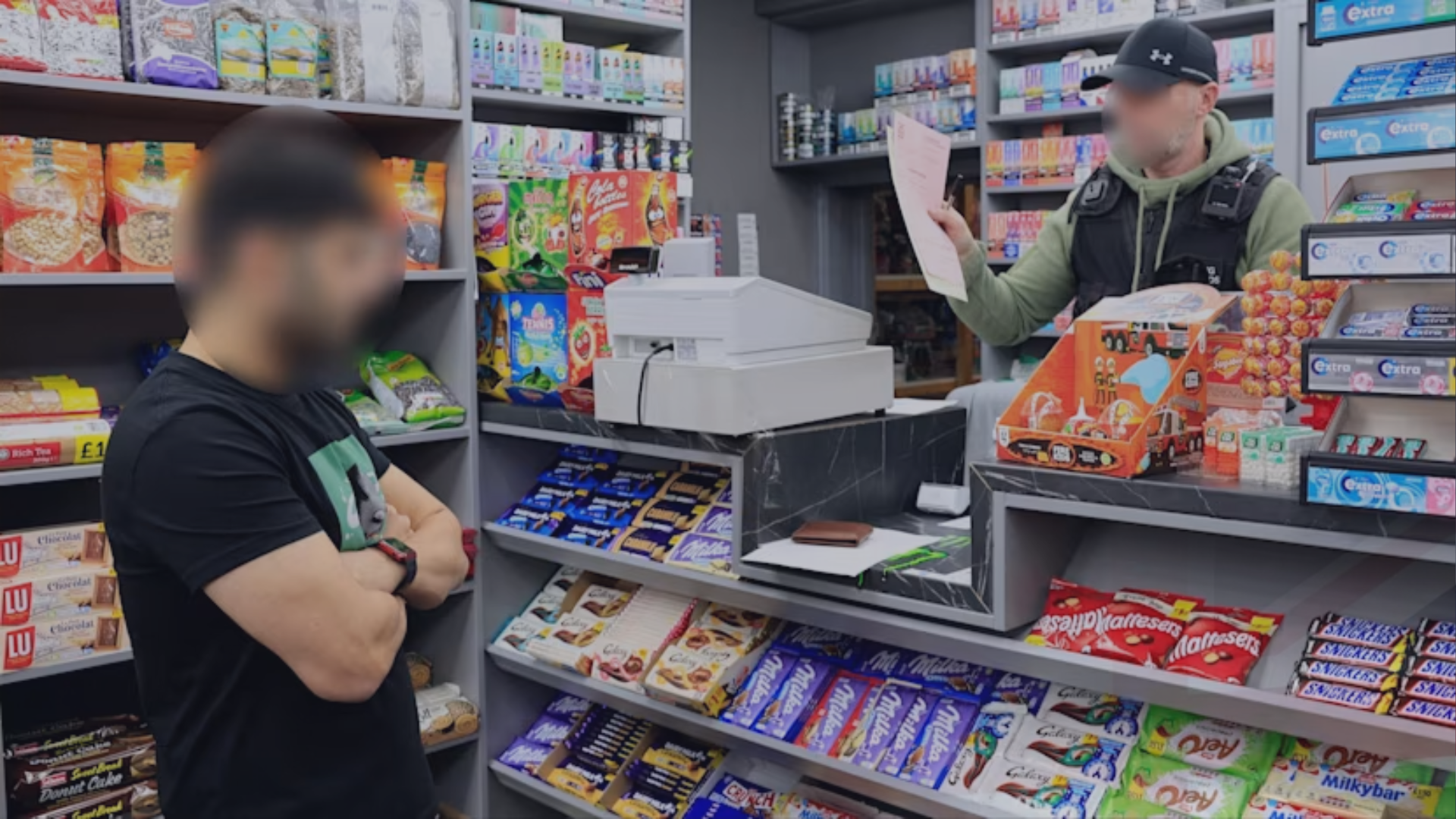
Source: ITV News
Authorities say tackling these issues requires coordination between enforcement agencies, councils, and police.
The Chartered Trading Standards Institute is calling for increased funding and stronger enforcement powers to address the issue.
It says, without intervention, the problem could continue to grow, putting further pressure on both businesses and local communities.
The report is expected to feed into wider discussions about high street recovery, economic policy, and law enforcement priorities.
Government departments are likely to review the findings as part of ongoing efforts to support local economies and improve regulatory oversight.
While high streets remain a vital part of local life, the report suggests they are facing increasingly complex challenges.
Balancing economic recovery, public safety, and effective enforcement will be key to addressing concerns raised in the findings.