
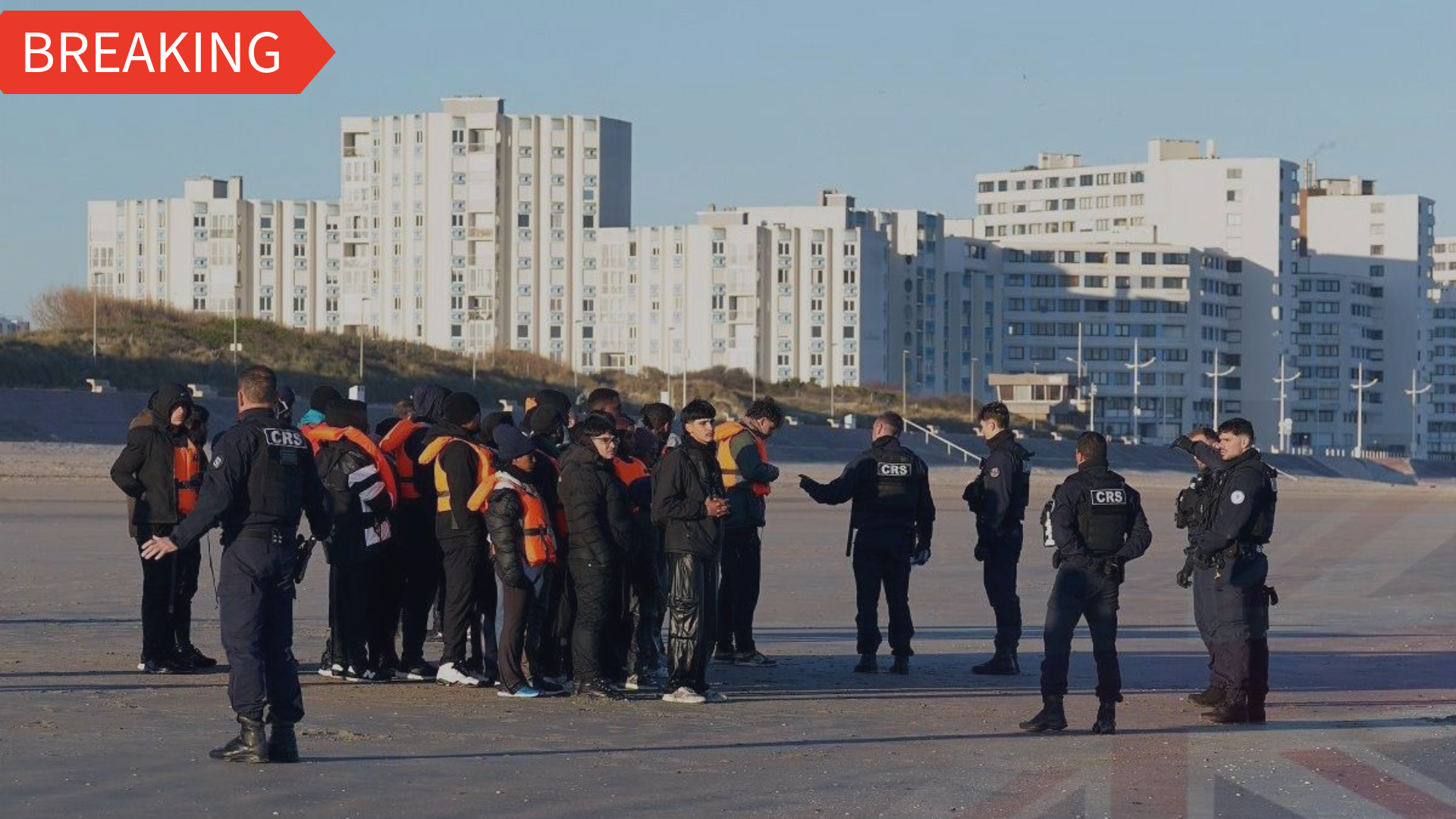
The Government’s efforts to strengthen border controls and reduce illegal migration have encountered fresh legal obstacles on both sides of the Channel, raising new questions about the future of key immigration policies.
A major component of the UK’s migration agreement with France has been thrown into doubt after legal action was launched against a planned migrant detention centre near Dunkirk. The facility, which is expected to receive substantial UK funding, was intended to help French authorities detain migrants before they attempt dangerous small-boat crossings to Britain. However, a French environmental group has challenged the project, arguing that the development poses health and planning concerns and may violate local regulations.
The detention centre forms part of a wider UK-France border security agreement worth hundreds of millions of pounds. Ministers have argued that the facility would play a crucial role in disrupting people-smuggling networks and reducing Channel crossings. However, legal proceedings could significantly delay construction or potentially halt the project altogether if the challenge succeeds.
The dispute comes at a time when migration remains one of the most politically sensitive issues facing the Government. Recent figures show thousands of migrants have continued attempting the Channel crossing despite increased enforcement efforts by both British and French authorities. Ministers have repeatedly pledged to strengthen border security and crack down on organised criminal gangs profiting from illegal migration.

Meanwhile, the Home Office is facing a separate legal challenge concerning travel restrictions applied to certain European Union nationals and their family members living in the UK under post-Brexit immigration arrangements. Campaign group The3Million, which advocates for EU citizens’ rights, has launched court proceedings arguing that current rules place unfair limitations on individuals with pending immigration applications.
Campaigners claim the restrictions can leave some residents unable to travel freely without risking complications to their immigration status. The Home Office maintains that the measures are necessary to preserve the integrity of the immigration system and ensure compliance with post-Brexit residency requirements. The outcome of the case could have implications for thousands of EU citizens living in Britain.

Across social media, reaction has been sharply divided. Supporters of stricter immigration controls argue that the Government must continue pursuing measures to deter illegal migration and secure Britain’s borders. Critics, however, contend that repeated legal challenges expose flaws in policy design and risk creating further delays within an already strained immigration system.
The twin legal disputes highlight the increasingly complex landscape facing policymakers as they attempt to balance border security, international cooperation, legal obligations, and human rights considerations. With migration expected to remain a central political issue ahead of future elections, both cases are likely to be watched closely by ministers, campaigners, and voters alike.