
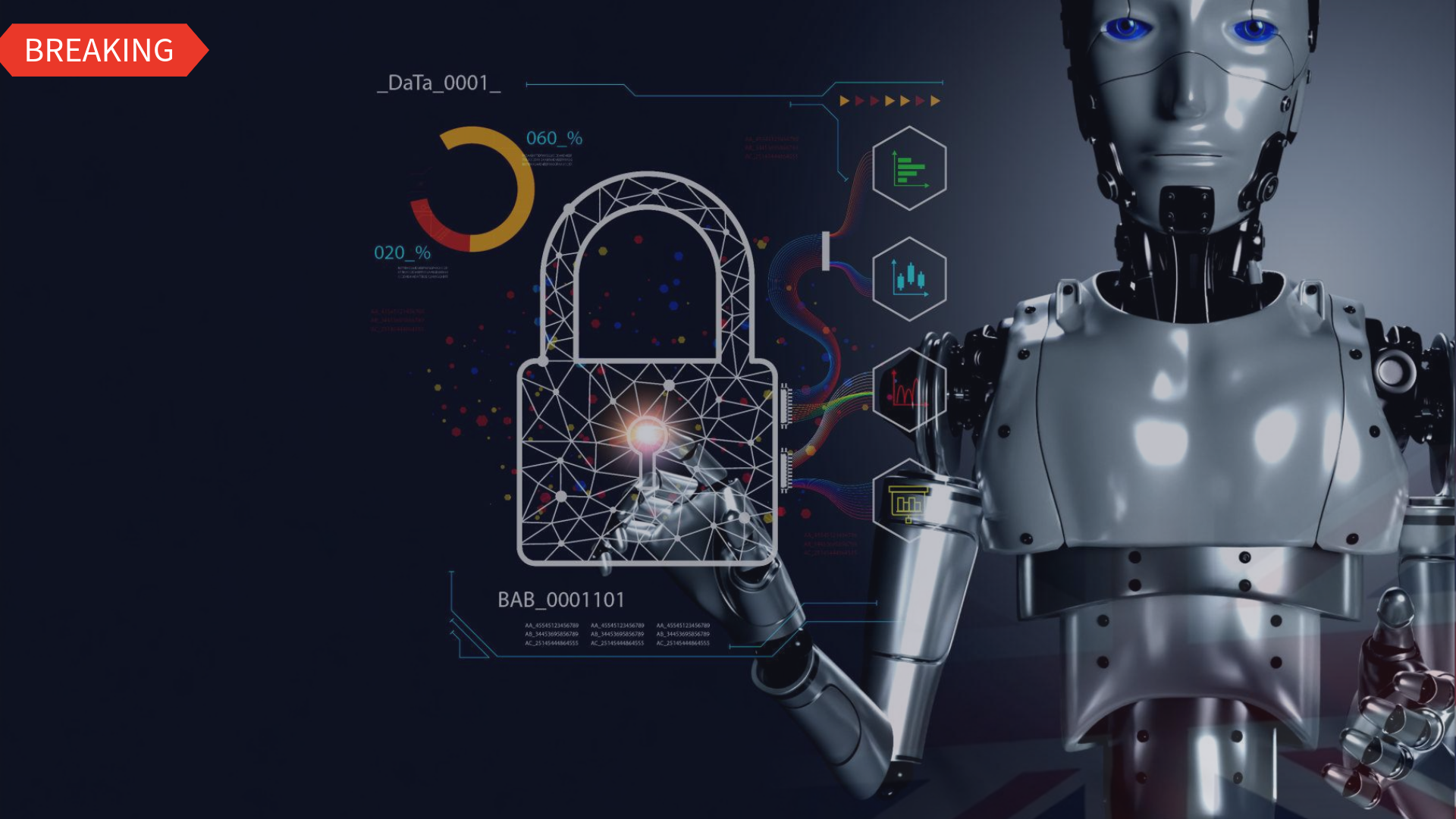
As artificial intelligence continues to evolve at breakneck speed, the United Kingdom and Australia have signed a landmark Memorandum of Understanding (MoU) to deepen their cooperation on AI safety and security.
The agreement, finalised in Canberra on Monday, May 25, establishes a direct partnership between the world-leading UK AI Security Institute (AISI) and the newly established Australian AI Safety Institute. The core goal of the alliance is to pool resources and expertise to monitor the rapidly advancing capabilities of ‘frontier AI’, highly capable foundation models that could pose severe risks to public safety and national security.
The Cyber-Attack Threat

The urgency behind the agreement is largely driven by fresh, alarming research from the UK’s AISI. The institute’s latest findings warn that advanced AI systems are rapidly improving their ability to carry out highly complex and sophisticated cyber-attacks.
There is a growing fear within intelligence and government circles that if these incredibly powerful AI tools fall into the wrong hands, whether that be hostile state actors or organised cybercriminal networks, they could be weaponised to cripple critical national infrastructure, steal sensitive data, and unleash unprecedented online harm.
UK Minister for AI and Online Safety, Kanishka Narayan, who signed the agreement alongside Australia’s Assistant Minister for Science, Technology and the Digital Economy, Dr Andrew Charlton, highlighted the severe nature of the threat.
“This technology is moving fast, and so are the risks that come with it – particularly in areas like cyber security,” Narayan stated. “No country can tackle that alone. By working hand in hand with trusted partners such as Australia, we can stay ahead of the risks, strengthen our defences and make sure AI is used to improve lives for Brits and Aussies alike.”
What Does the Agreement Do?

Under the new MoU, both nations have committed to a framework of deep technical cooperation. The two institutes will actively share highly classified information and technical expertise regarding emerging AI capabilities and vulnerabilities.
The partnership will also focus on conducting joint research to develop novel approaches to measure, test, and manage the risks associated with new AI models before they are released to the public. To ensure seamless collaboration, the deal opens the door for staff exchanges between the two premier institutes.
Furthermore, both nations have pledged their mutual support for the newly formed International Network for Advanced AI Measurement, Evaluation and Science, cementing a democratic coalition aimed at setting global standards for AI regulation.
Dr Andrew Charlton noted that the pact reflects a shared commitment between the two nations to ensure that AI is developed safely and responsibly. “By strengthening cooperation with democracies, we are combining world-class expertise to understand emerging risks and keep pace with rapid technological change,” he said.
As the geopolitical landscape shifts and the technology race accelerates, this cross-border alliance represents a critical step in ensuring that the rapid rise of artificial intelligence remains under human control.