

Capital Brought to a Standstill
Commuters across London faced major disruption today as strike action by Tube drivers brought large parts of the London Underground to a halt.
Several lines were either severely delayed or completely suspended, leaving thousands scrambling for alternative routes during peak morning hours. Platforms quickly became overcrowded, while buses, taxis, and overground services struggled to cope with the sudden surge in demand.
For many workers, the strike turned what is normally a routine commute into a prolonged and unpredictable journey.
The impact was felt most sharply during rush hour, when the Underground typically carries millions of passengers across the capital.
Key commuter routes experienced widespread cancellations, with some stations forced to restrict entry due to safety concerns. Long queues formed at bus stops, while ride-hailing services reported increased demand and higher fares.
Office workers, students, and businesses alike were caught in the disruption, with some choosing to work remotely or delay travel where possible.
The industrial action stems from an ongoing dispute between drivers and transport authorities over pay, working conditions, and broader employment terms.
Union representatives argue that staff are facing increasing pressures without adequate compensation, particularly in the context of rising living costs.
Transport officials, meanwhile, have emphasised the need to balance workforce demands with financial constraints, warning that long-term sustainability of the network is at stake.
Today’s strike may not be an isolated event.
Both sides have signalled that further action could follow if an agreement is not reached, raising the prospect of continued disruption in the weeks ahead.
For commuters, that means uncertainty is likely to persist, especially as negotiations remain ongoing.
The strike has once again highlighted the capital’s reliance on the Underground as its primary transport backbone.
When services are disrupted, the effects ripple quickly across the entire city, impacting not just travel but productivity, business operations, and daily life.
Alternative transport options, while available, often struggle to absorb the sudden increase in demand during strike action.
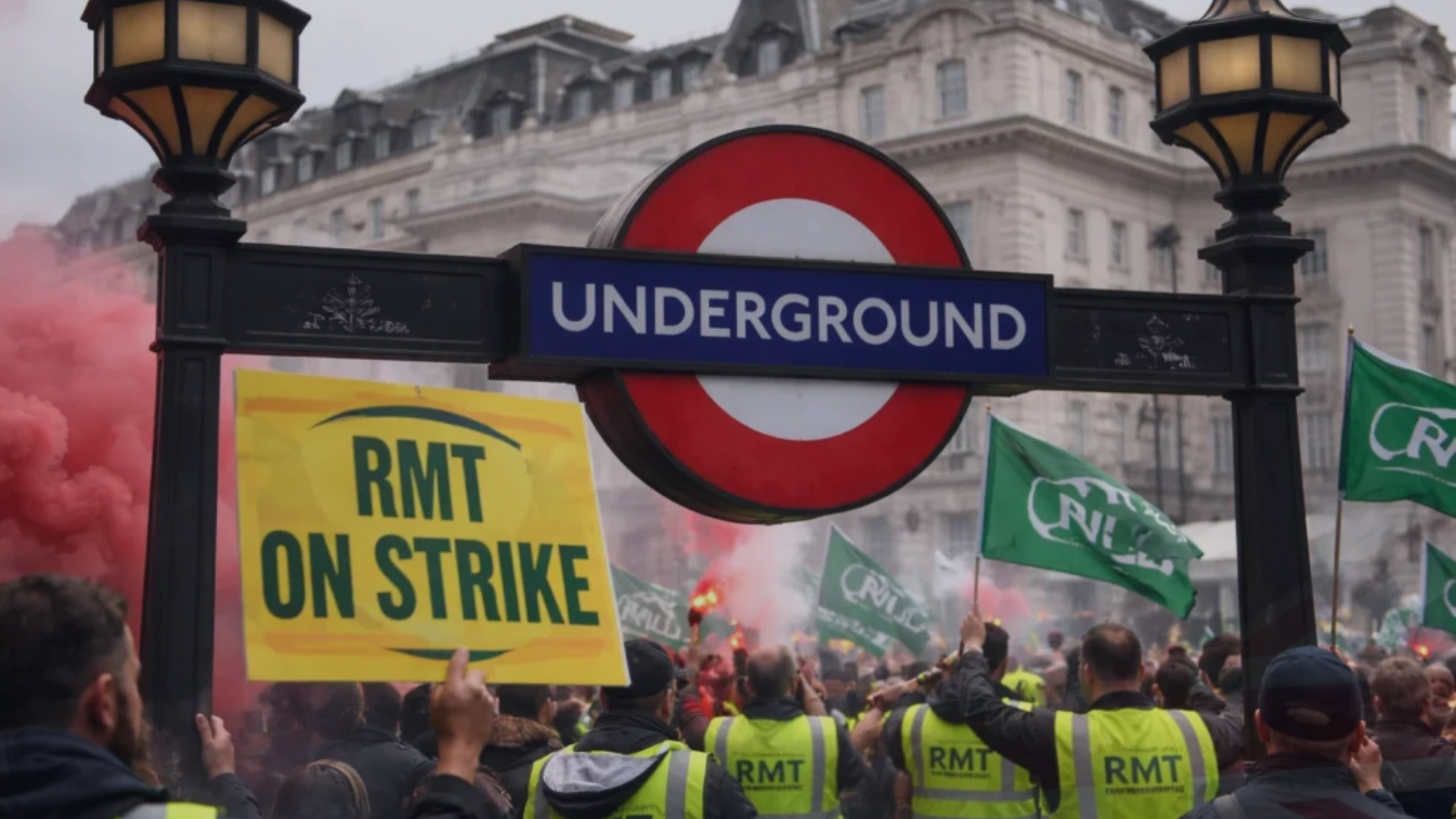
Passengers and business groups are increasingly calling for a swift resolution to the dispute, warning that prolonged disruption could have wider economic consequences.
There are also renewed discussions about the resilience of London’s transport system and whether contingency plans are sufficient to handle repeated strikes.
Transport authorities have advised passengers to check service updates regularly and allow extra time for journeys.
Flexible working arrangements and alternative travel plans are being encouraged where possible.
While strike action is not new to London’s transport system, the scale of disruption continues to frustrate many who depend on it daily.
As negotiations continue, the focus now shifts to whether a compromise can be reached or whether London commuters should prepare for more days of chaos ahead.