
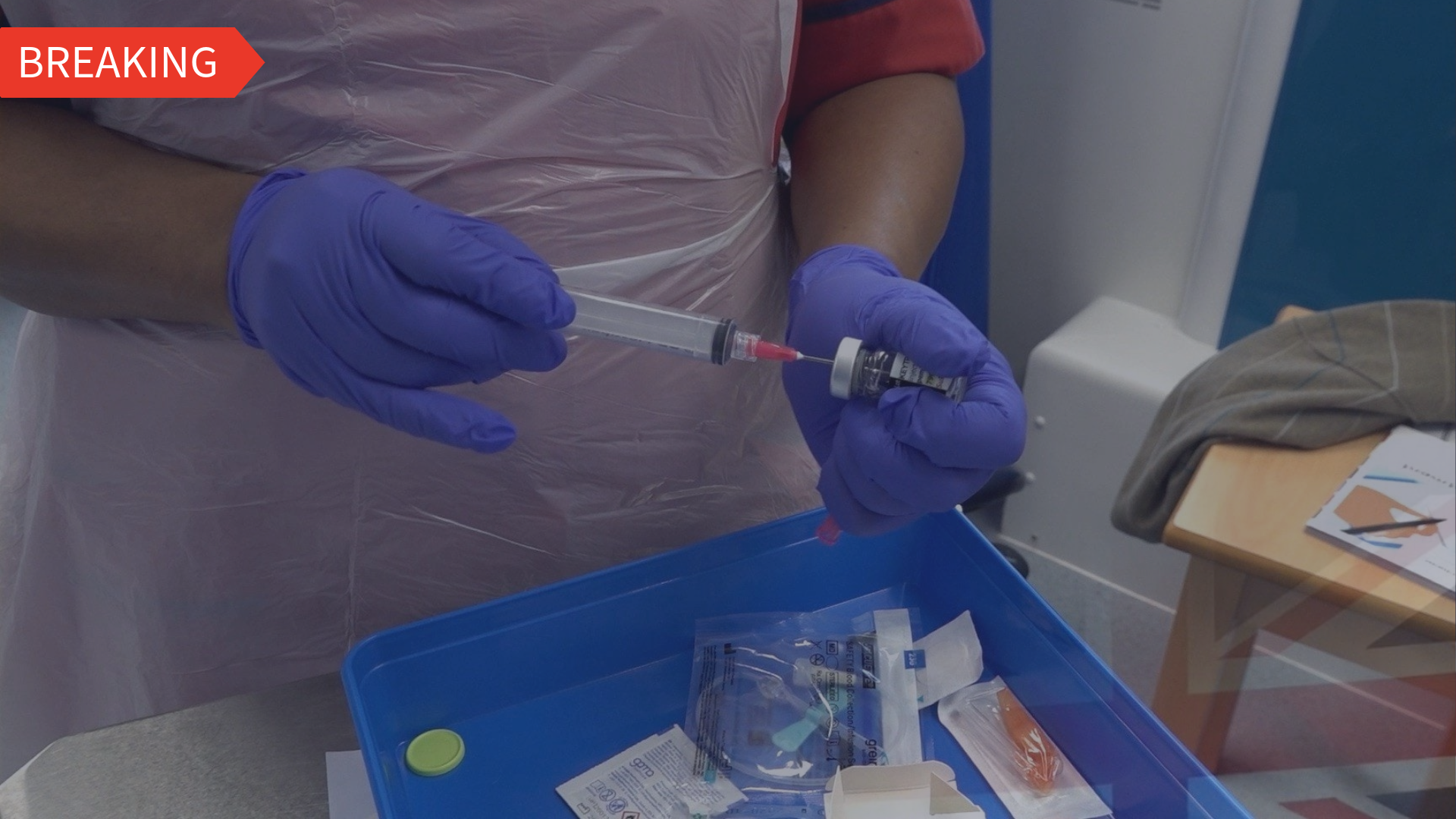
The National Health Service has begun introducing a new fast-acting cancer treatment injection that can be delivered in as little as one minute.
The treatment is a subcutaneous (under-the-skin) form of the immunotherapy drug pembrolizumab, which is used to treat more than a dozen types of cancer, including lung, breast, and cervical cancers.
Until now, patients receiving this therapy typically required intravenous (IV) infusions, often spending up to one to two hours in the hospital for each session.
The new injectable version reduces that time dramatically, by up to 90%, allowing treatment to be delivered in around one minute every three weeks, or slightly longer at less frequent intervals.
This shift represents one of the most significant operational changes in NHS cancer care delivery in recent years.
Pembrolizumab is a form of immunotherapy that works by helping the body’s immune system recognise and attack cancer cells.
It targets a protein known as PD-1, effectively “switching on” immune responses that had previously been blocked by cancer cells.
The new formulation is injected into the thigh or abdomen rather than delivered through a vein, making administration faster and less invasive.
Around 14,000 patients in England begin treatment with pembrolizumab each year, and most are expected to transition to the injectable version.
For patients, the benefits are immediate:
- significantly reduced time spent in the hospital
- fewer disruptions to daily life
- improved overall treatment experience
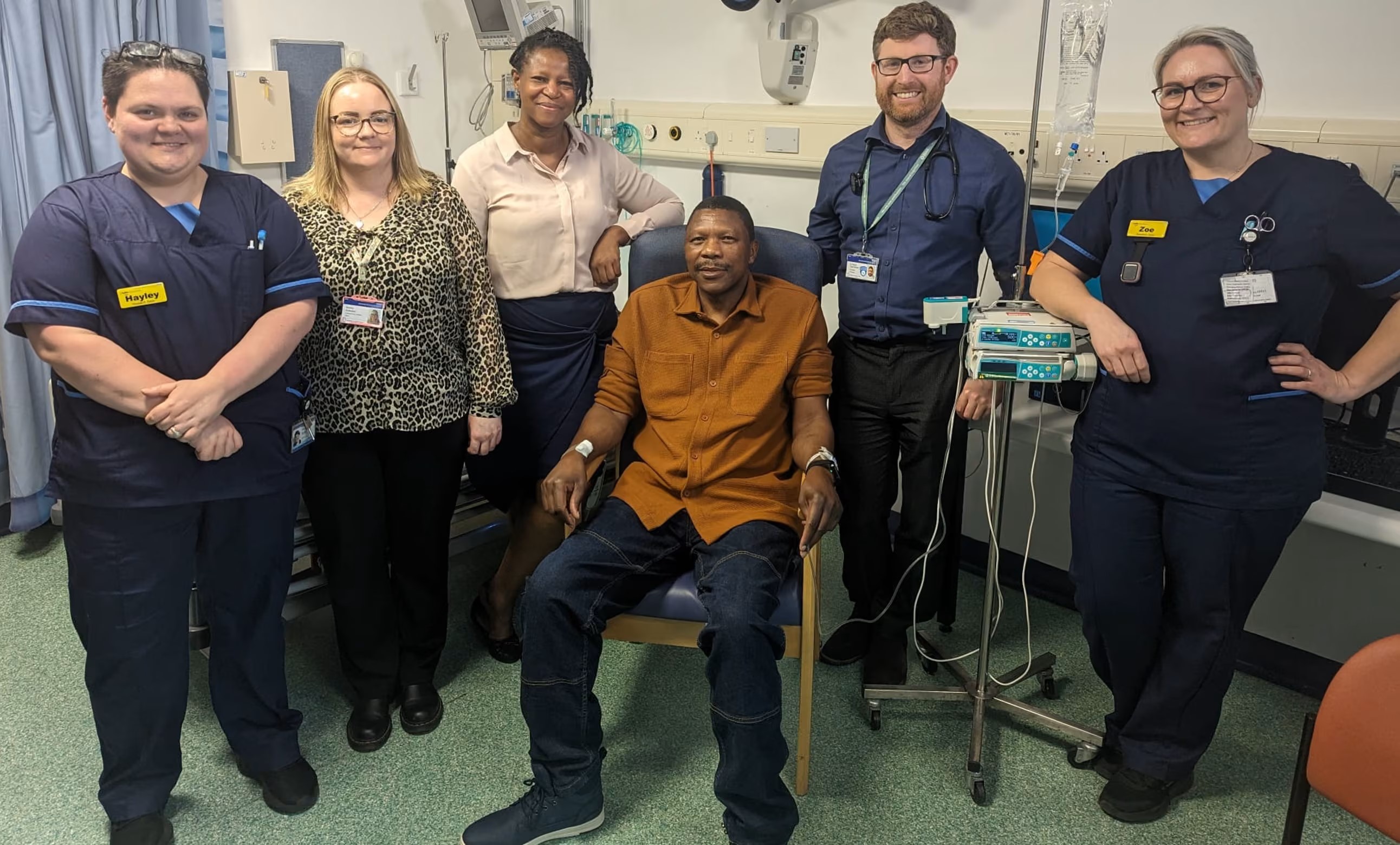
Patients involved in early rollout programmes have described the change as “transformative”, allowing them to spend more time outside clinical settings.
Health leaders say the new protocol is not just about convenience; it is also a strategic move to expand NHS capacity.
By reducing treatment times, hospitals can:
- treat more patients using the same facilities
- reduce waiting lists
- ease pressure on oncology units and staff
The change is expected to save tens of thousands of hours in clinical time each year.
The rollout follows earlier NHS adoption of similar subcutaneous immunotherapy treatments, such as nivolumab, which also replaced longer IV infusions with shorter injections.
Experts say this reflects a wider transition in healthcare delivery:
- moving from hospital-intensive care to more efficient models
- prioritising patient convenience and system scalability
- integrating innovation to manage rising demand
The introduction of rapid injections could play a key role in addressing long-standing pressures within the NHS, particularly in cancer services.
Cancer demand continues to rise across the UK, and reducing treatment bottlenecks is seen as essential to improving outcomes.
By shortening treatment times, the NHS aims to create a more flexible and resilient oncology system.
The injection is now being rolled out across NHS trusts, with more hospitals expected to adopt the treatment in the coming months.
Clinicians will assess which patients are suitable for switching to the injectable form, with decisions made on an individual basis.