Sudden Reversal in One of the World’s Most Critical Shipping Lanes
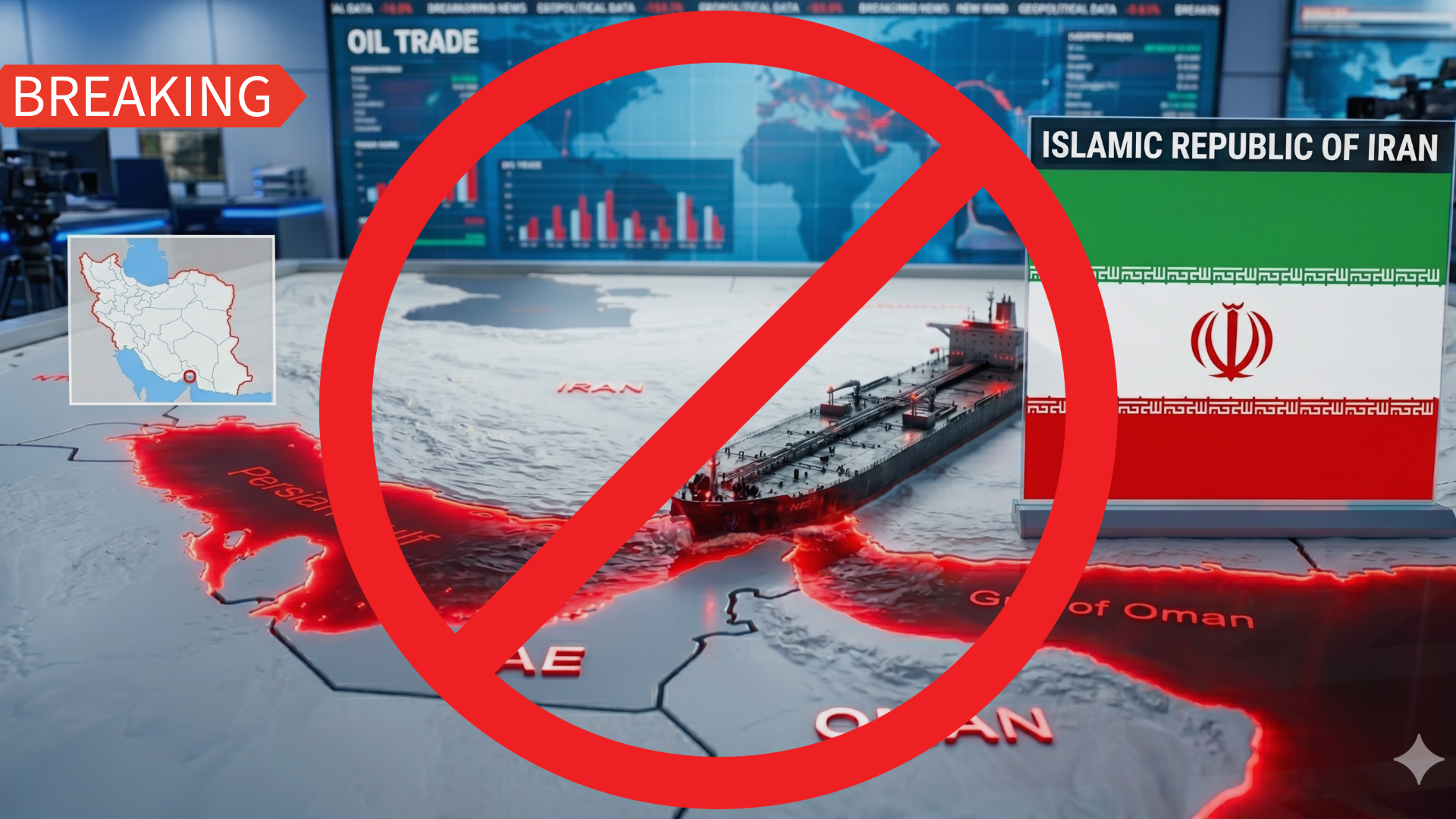
Tensions in the Middle East have flared once again after reports that the Strait of Hormuz has been placed back under strict control by Iranian forces, just hours after being declared open to commercial shipping.
The rapid reversal has sent shockwaves through global energy markets, with oil prices swinging sharply after an initial drop of around 10% in Brent crude when the route was briefly reopened.
The strait, which carries roughly 20% of global oil shipments, is one of the most strategically important waterways in the world, making any disruption a major concern for global supply chains.
According to maritime sources and shipping monitoring groups, commercial vessels were initially told that passage through the strait had resumed following a temporary easing of restrictions linked to a regional ceasefire involving Israel and Lebanon.
However, within hours, Iranian military units reportedly reimposed tighter controls, with some merchant vessels receiving radio warnings instructing them to turn back or await further clearance.
Unverified reports from shipping channels also suggest that Iranian patrol boats approached at least one tanker, although these claims have not been independently confirmed.
Iranian authorities have not issued a detailed public statement, but officials have previously linked disruptions in the strait to what they describe as “repeated breaches of trust” and ongoing tensions with the United States.
The situation is unfolding against a backdrop of continuing friction between Tehran and Washington.
The United States maintains a naval presence in the region and has continued what it describes as a blockade of Iranian ports, a measure Tehran strongly opposes.
Former US President Donald Trump has commented on the developments, describing earlier reports of reopening as “good news,” and suggesting Iran had agreed to certain conditions in broader negotiations, including nuclear-related discussions.
However, he also warned that any failure in ongoing talks could lead to renewed escalation, adding further uncertainty to an already volatile situation.
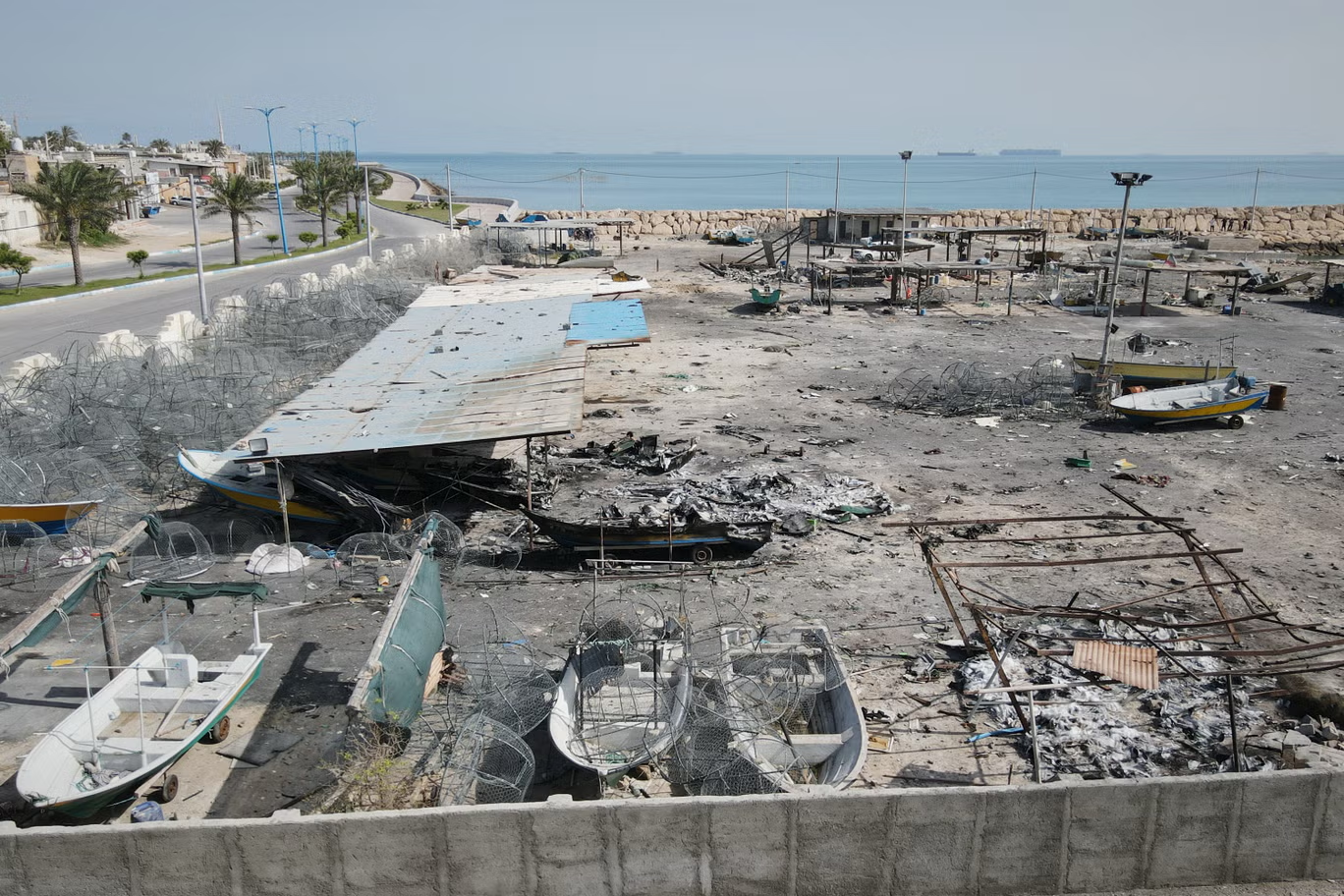
Energy markets have been extremely sensitive to developments in the Strait of Hormuz.
Prices initially fell sharply on news of the reopening, with Brent crude dropping by around 10%, as traders anticipated improved supply stability.
However, the subsequent reversal has triggered renewed volatility, with traders now struggling to assess whether the route will remain open or return to restricted status.
Analysts say this level of instability in a critical oil chokepoint is likely to keep global markets highly reactive in the short term.
Despite the uncertainty, diplomatic efforts are reportedly continuing behind the scenes.
Negotiations between US and Iranian representatives are expected to resume in the coming days, with discussions focusing on regional security, maritime access, and broader nuclear-related concerns.
Observers say the outcome of these talks could determine whether the current situation stabilises or escalates further.
The Strait of Hormuz remains one of the most strategically sensitive points in global trade.
Even small disruptions can have immediate effects on oil prices, inflation expectations, and global transport costs.
With conflicting reports emerging and tensions still unresolved, the situation remains highly fluid.
For now, markets, governments, and shipping operators are all watching closely