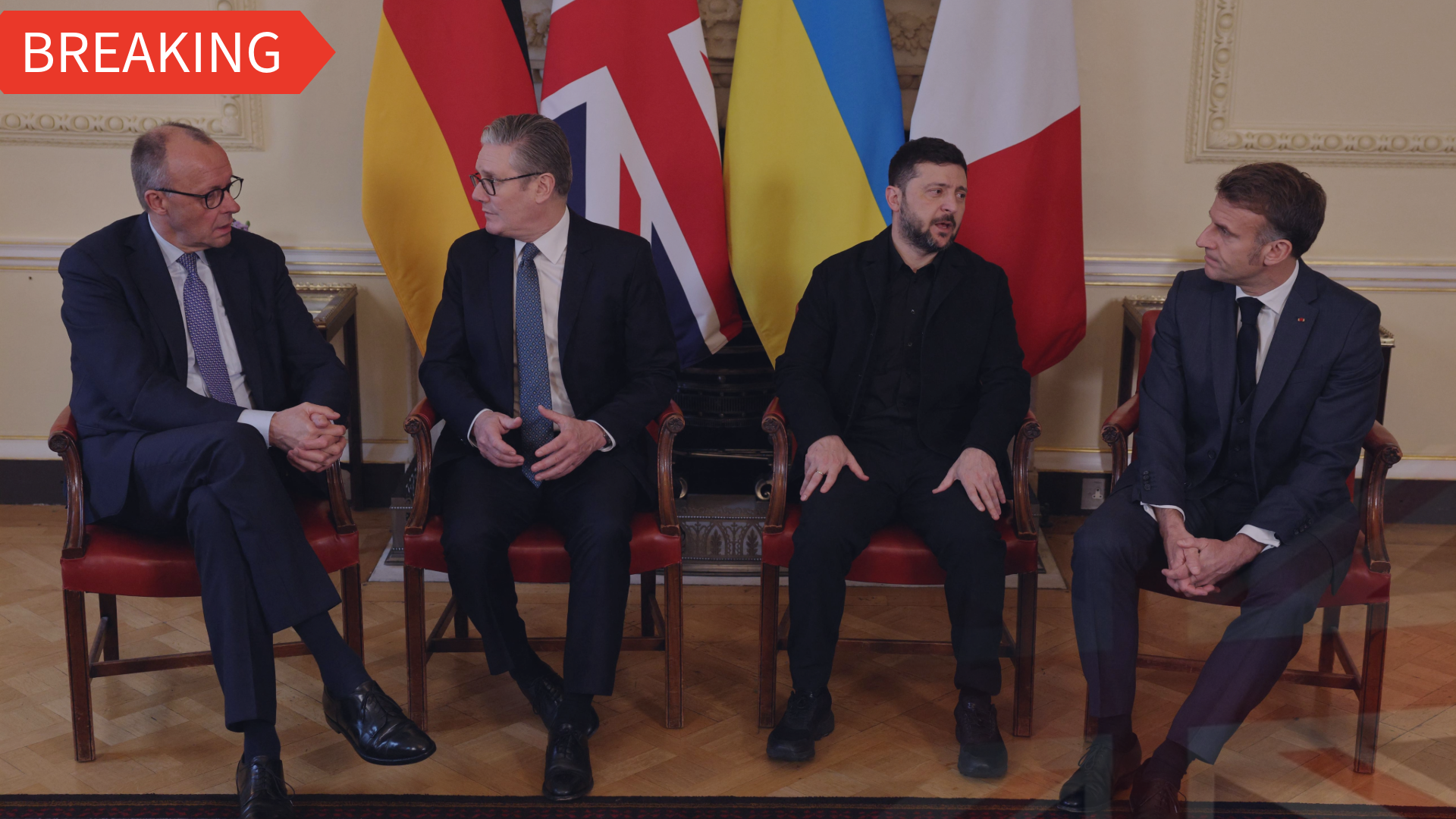
European leaders have thrown their weight behind a new diplomatic push to end the war in Ukraine, with Prime Minister Keir Starmer joining French President Emmanuel Macron and German Chancellor Friedrich Merz in supporting President Volodymyr Zelenskyy’s call for direct negotiations with Russia.
The endorsement came after a high-level meeting in London, where the four leaders discussed a potential pathway towards a ceasefire and a broader peace settlement. In a joint statement, the leaders backed Zelenskyy’s proposal for direct dialogue between Ukraine and Russia, stressing that any negotiations should include active participation from both the United States and European nations.
The statement outlined several conditions that European leaders believe are necessary to achieve what they described as a “just and lasting peace”. First, they called on Russian President Vladimir Putin to agree to an immediate and complete ceasefire. They also argued that the current front line should serve as the starting point for negotiations and reaffirmed that international borders must not be changed by force.
A central part of the proposal is the demand for legally binding security guarantees for Ukraine once any ceasefire takes effect. European leaders said Ukraine must receive robust protection against future aggression, building on previous international commitments and potentially involving multinational security arrangements.
The leaders further stated that frozen Russian assets should remain immobilised until Russia ends its aggression and compensates Ukraine for the damage caused during the conflict. They also insisted that European security interests must be protected in any final agreement and that issues involving NATO or the European Union would require the consent of member states.
The diplomatic initiative follows an open letter sent by Zelenskyy to Putin earlier this month, in which the Ukrainian leader proposed face-to-face talks aimed at ending the war. However, the Kremlin has so far rejected the idea, with Putin reportedly saying there is “no point” in meeting until a potential peace agreement has already been outlined.

The meeting in London also took place against a backdrop of intensified Russian missile and drone attacks across Ukraine. The leaders condemned the recent strikes and emphasised the urgent need to strengthen Ukraine’s air defence capabilities while continuing diplomatic efforts to secure peace.
Reaction across social media and political circles has been mixed. Supporters view the proposal as a realistic framework for bringing both sides to the negotiating table, while critics argue that significant differences remain between Kyiv and Moscow on the conditions required for peace. Discussions on online forums have focused heavily on the proposed security guarantees and the future status of occupied Ukrainian territories.
With the war now entering its fifth year, the London summit marks one of the clearest indications yet that Britain’s government, alongside its European allies, wants to play a leading role in shaping any future peace settlement. Whether Moscow is prepared to engage with the proposal remains the key question.