Competing Ceasefires Announced
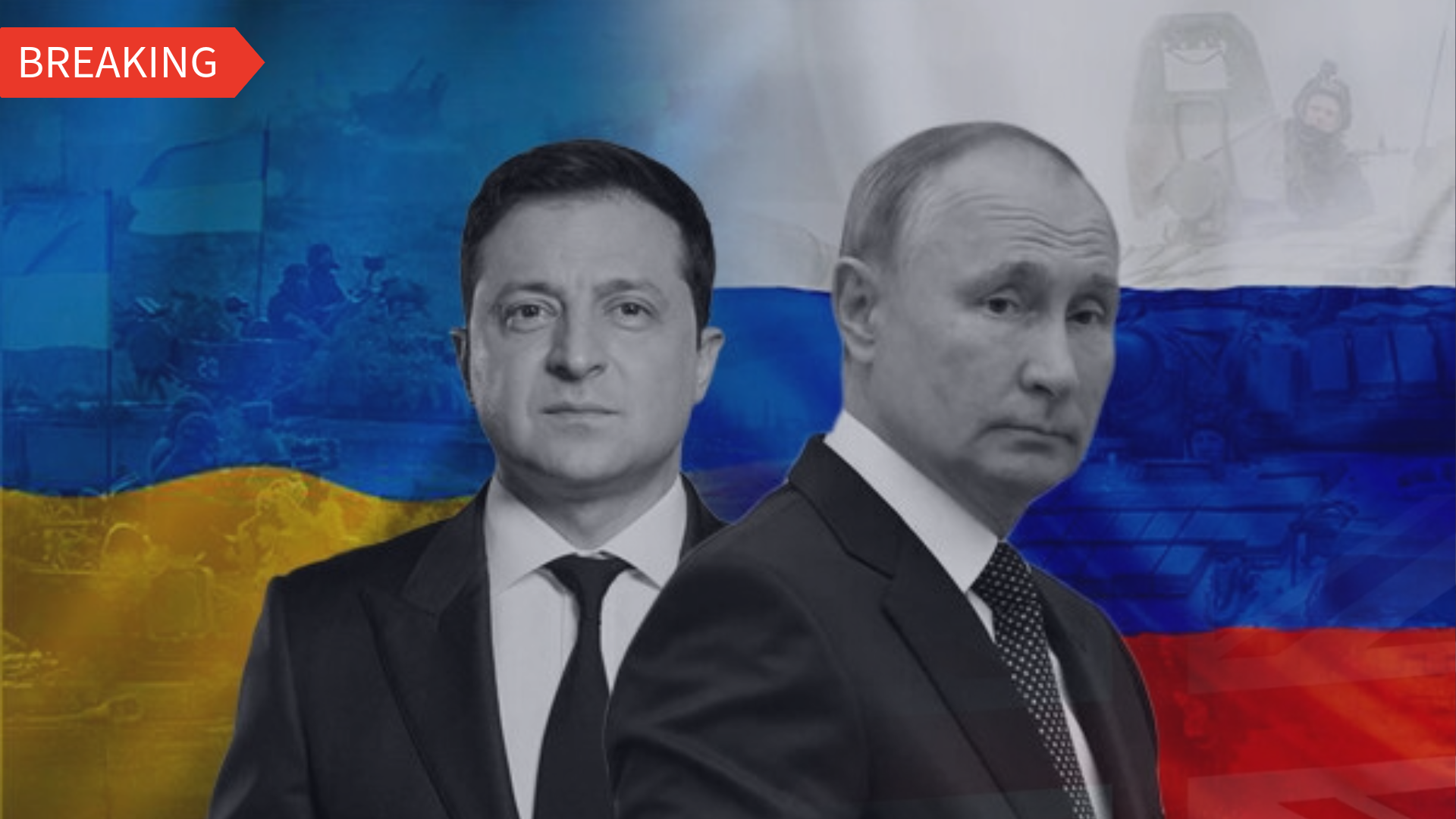
Russia and Ukraine have issued separate and competing ceasefire declarations, highlighting ongoing divisions over how to pause the war.
Moscow announced a two-day unilateral ceasefire from 8–9 May, timed to coincide with its annual Victory Day commemorations marking the end of World War II in Europe.
Kyiv responded by announcing its own ceasefire earlier, set to begin from the night of 5–6 May, with Ukrainian officials indicating the move would apply independently of Russia’s timeline.
Alongside the immediate ceasefire, Ukrainian President Volodymyr Zelenskyy has proposed a broader, open-ended truce framework.
He has called for a long-term ceasefire that prioritises civilian safety and lasting peace, rather than short pauses tied to symbolic events.
Zelensky has suggested Ukraine would be prepared to extend the ceasefire if Russia reciprocates, framing it as a test of Moscow’s willingness to pursue genuine negotiations.
The Kremlin has framed its ceasefire as a temporary measure to ensure security during Victory Day celebrations.
Russian officials have also warned that any disruption could trigger military retaliation, including potential strikes on Kyiv.
Victory Day remains one of Russia’s most important national events, typically marked by a large military parade in Moscow.
However, this year’s celebrations have been scaled back amid security concerns linked to Ukrainian drone strikes.
Despite the announcements, fighting has continued across several regions.
Recent attacks on both sides have caused casualties and damage to infrastructure, underlining the fragile and uncertain nature of any ceasefire efforts.
Analysts note that previous temporary truces, often tied to holidays, have failed to hold, with both sides accusing each other of violations.
The timing and structure of the ceasefires reveal a deeper divide:
- Russia’s proposal is short-term and symbolic, linked to national commemorations
- Ukraine’s proposal is longer-term and conditional, aimed at testing a path to peace
Zelensky has criticised the Russian proposal as insufficient, arguing that brief pauses do little to reduce the overall intensity of the war.
The developments come as international pressure continues to build for a negotiated settlement.
Western governments have increased sanctions on Russia, while Ukraine continues to receive military and economic support from allies.
Any sustained ceasefire would mark a significant turning point, but for now, both sides remain far apart on the terms.
- Ukraine’s ceasefire is set to begin first, potentially acting as a test case
- Russia’s Victory Day truce will follow days later
- The key question remains whether either side will honour or extend the pause