
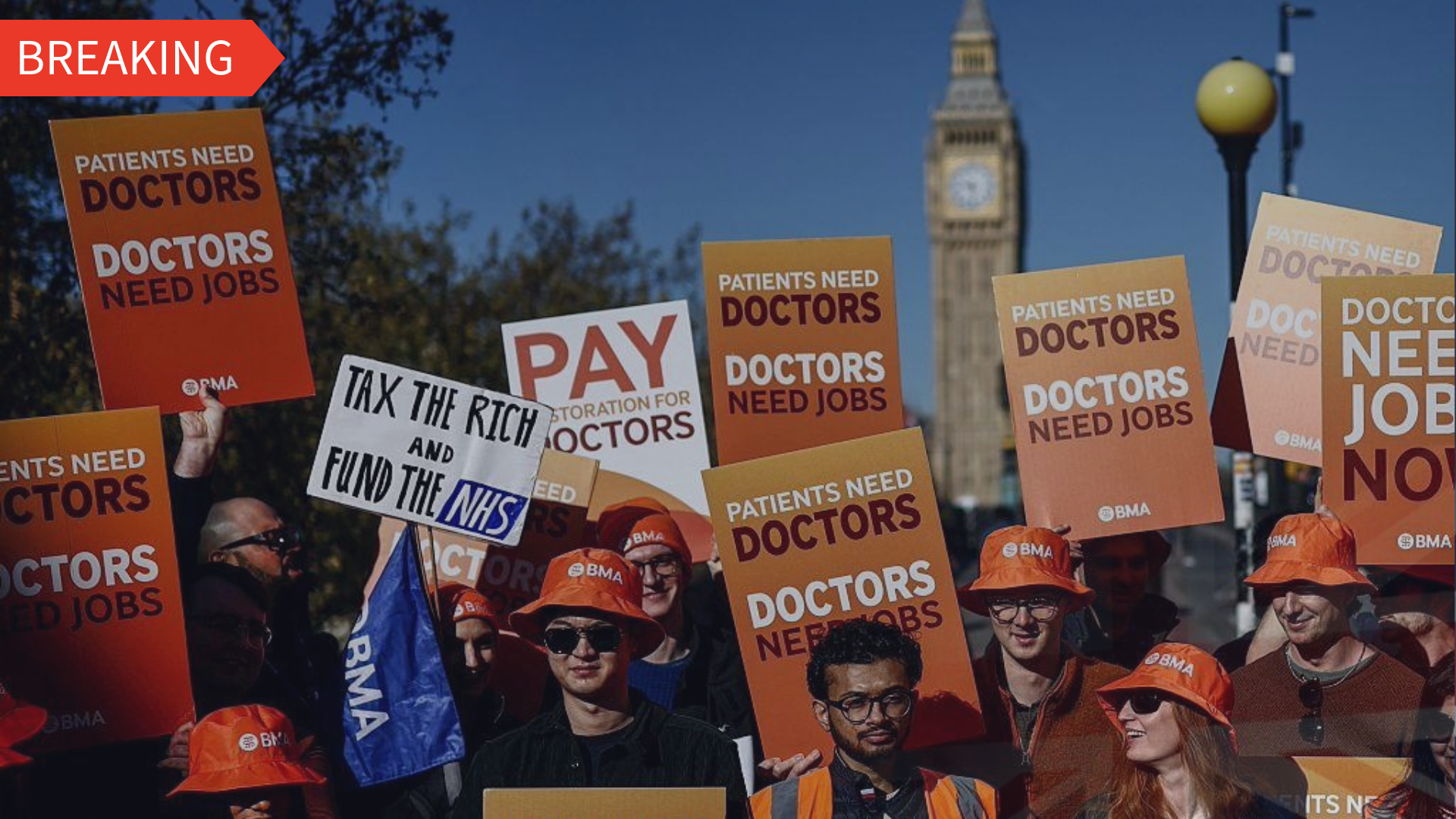
Resident doctors across England are preparing to walk out for four days next month in the latest escalation of the long-running dispute over pay and NHS working conditions.
The industrial action, announced by the British Medical Association, is expected to affect hospitals, emergency departments, and GP-linked services across multiple regions and boroughs throughout England.
The strike is scheduled to begin in June after talks between union representatives and the government failed to produce a breakthrough over pay restoration and staffing pressures inside the NHS.

Health leaders are now warning patients to expect delays to non-urgent appointments, operations, and routine procedures as hospitals prepare contingency plans to maintain critical services during the walkout.
Resident doctors, formerly known as junior doctors, argue they have experienced years of real-terms pay erosion while workload pressures inside the NHS continue worsening.
The BMA says many younger doctors are struggling with burnout, rising living costs, and unsafe staffing levels, leading growing numbers to consider leaving the NHS or moving abroad for better pay and conditions.
Government officials insist they value NHS staff but argue public finances remain under severe pressure following inflation, global instability, and wider economic challenges.
The Department of Health and Social Care has urged union leaders to return to negotiations, warning that further strikes risk increasing pressure on already stretched services.
The announcement comes during one of the most politically sensitive periods for the NHS in years.
The government is already facing scrutiny over waiting lists, GP access, and ambulance delays, while newly appointed Health Secretary James Murray is still attempting to stabilise the department following the resignation of his predecessor, Wes Streeting.

Hospital trusts across England are now preparing emergency staffing measures to protect urgent and life-saving care during the strike period.
NHS England said emergency departments and critical care services will remain operational, though patients are being warned that some planned appointments and surgeries may need to be rescheduled.
Health experts say the cumulative impact of repeated NHS strikes over recent years has created growing frustration among patients already dealing with long waiting times and stretched services.
Across social media, reaction to the latest strike announcement has been deeply divided.
Some users expressed strong support for resident doctors, arguing that NHS staff have been underpaid and overworked for years. Others criticised further industrial action, warning ordinary patients are being caught in the middle of an increasingly bitter dispute.
Healthcare discussions quickly began trending across X and Facebook following the announcement, with concerns particularly focused on cancer treatment delays, emergency care pressures, and GP appointment backlogs.

Medical unions argue the strike is ultimately about protecting the future of the NHS itself by improving recruitment and retention among younger doctors.
But ministers fear prolonged industrial unrest could further damage public confidence in a healthcare system already under enormous strain.
For millions of patients across England, the immediate reality is likely to be disruption once again as the NHS enters another difficult summer period marked by staffing shortages, political pressure, and growing demand for care.