Energy Policy Meets Global Crisis
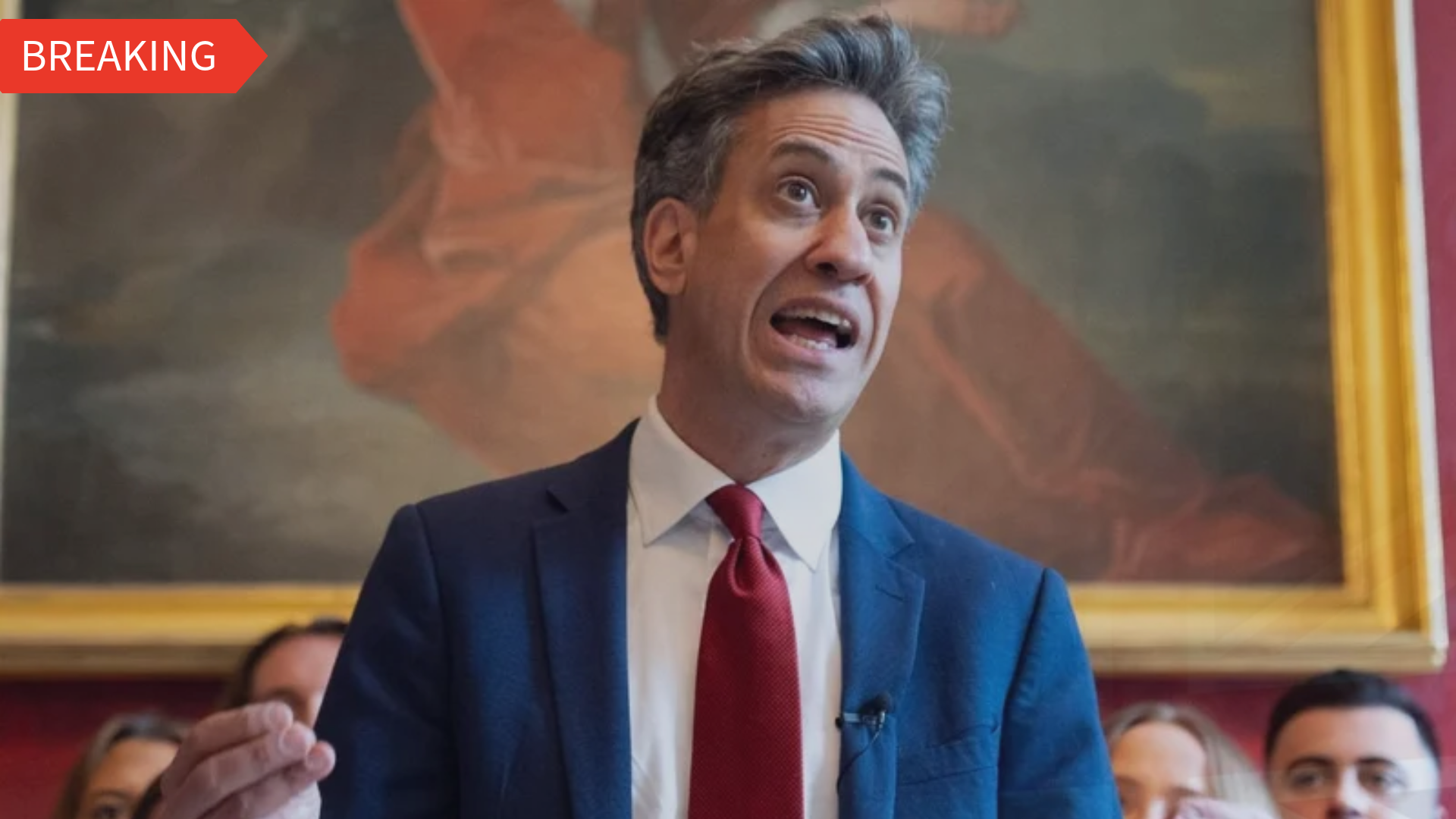
UK Energy Secretary Ed Miliband is preparing to unveil a fresh wave of green energy policies this week, arguing that rising global tensions have made the case for energy independence more urgent than ever.
His comments come as instability linked to Iran has once again disrupted global energy markets, with the Strait of Hormuz, a key route for oil shipments, facing renewed restrictions. The chokepoint carries a significant share of the world’s oil supply, meaning even short-term disruptions can send prices sharply higher.
For the UK, which remains heavily reliant on imported energy, the effects are already being felt through rising wholesale costs.
Miliband has framed the situation as a clear justification for accelerating the transition to renewable energy.
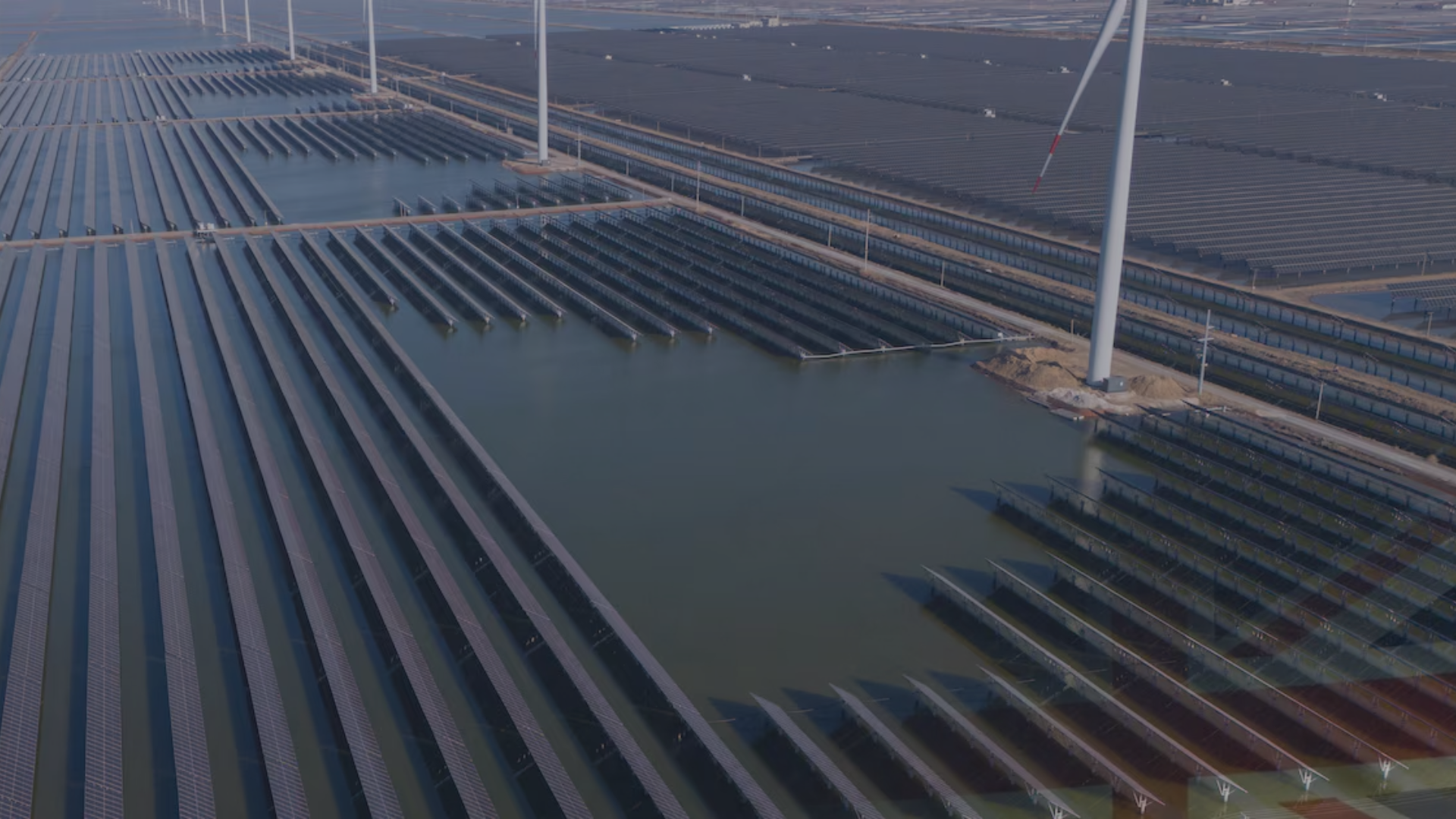
He argues that dependence on volatile global fossil fuel markets leaves the UK vulnerable to geopolitical shocks, and that investing in domestic clean energy is the only long-term solution.
The concept of “clean energy security” is now central to government messaging, positioning renewables not just as an environmental priority, but as a strategic necessity.
However, the push toward net zero is facing growing criticism, particularly as households and businesses continue to grapple with high energy bills.
Opponents argue that the speed of the transition risks leaving the UK exposed in the short term, especially if domestic alternatives are not yet fully capable of meeting demand.
They point to the current crisis as evidence that reducing reliance on traditional energy sources too quickly could increase vulnerability during periods of global instability.
The immediate concern for many is cost.
Rising oil and gas prices tend to filter through quickly to energy bills, transport costs, and overall inflation. For households already under pressure from the cost-of-living crisis, any further increase is likely to deepen financial strain.
Businesses, particularly in energy-intensive sectors, are also watching closely, as higher costs can impact competitiveness and investment decisions.
The situation has intensified an already polarised debate over the UK’s energy strategy.
Supporters of the government’s approach argue that the current crisis proves the dangers of relying on imported fossil fuels and that accelerating renewables is the best way to protect consumers in the long run.
Critics counter that a balanced approach is needed, combining investment in renewables with continued support for domestic oil and gas production to ensure stability during the transition.
What makes this moment particularly significant is the direct link between international events and domestic policy choices.
The disruption in the Strait of Hormuz highlights how quickly global conflicts can translate into economic consequences at home.
For policymakers, it reinforces the challenge of designing an energy system that is both resilient and affordable.
As Ed Miliband prepares to outline new measures, the focus will be on how quickly the UK can reduce its exposure to global shocks, without placing additional strain on consumers in the meantime.