
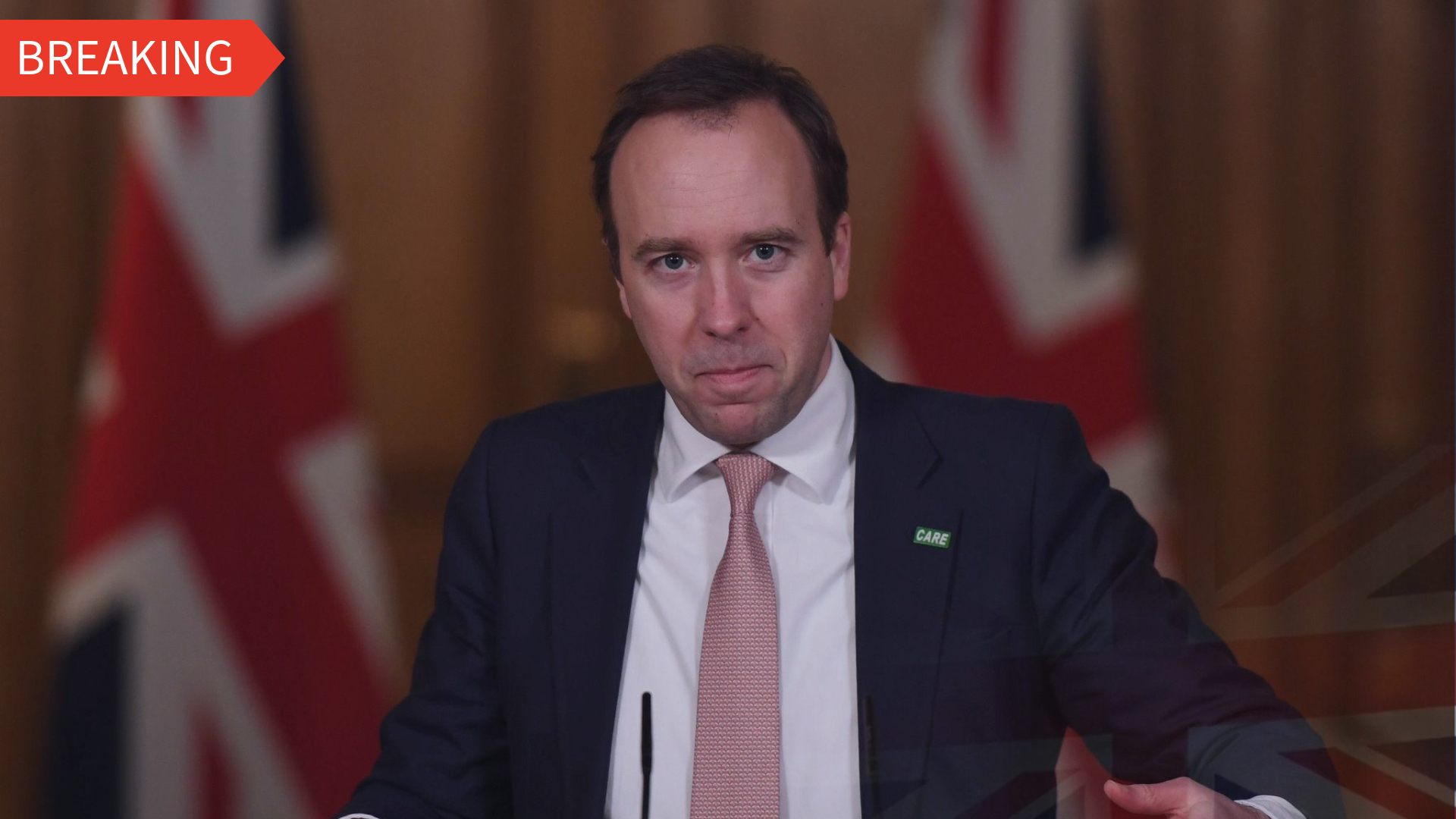
The United Kingdom’s healthcare system has a new, unexpected leader. Prime Minister Sir Keir Starmer has appointed James Murray as the Secretary of State for Health and Social Care following the shock resignation of Wes Streeting on May 14. Murray, the Member of Parliament for Ealing North, steps into the role during a period of unprecedented crisis for both the National Health Service and the broader Labour government.
Streeting’s sudden departure sent political shockwaves through Westminster. In a publicly shared resignation letter, the former Health Secretary stated he had “lost confidence” in the Prime Minister’s leadership, directly attributing Labour’s devastating local election defeats across England, Scotland, and Wales to the sheer “unpopularity of this Government.” Streeting’s exit, which occurred just 24 hours after the King’s Speech introduced a massive NHS Modernisation Bill, was viewed by critics as abandoning a sinking ship before the inevitable fallout.
Murray, who served as Chief Secretary to the Treasury since September 2025, arrives at the Department of Health and Social Care with virtually no background in healthcare. A former management consultant and London Deputy Mayor for Housing under Sadiq Khan, Murray is perceived as a “numbers man” rather than a healthcare specialist. His appointment has raised immediate concerns across the medical profession regarding his capability to navigate the complex, life-and-death challenges currently crippling the health sector.
The new Health Secretary’s in-tray is overwhelming. Murray must immediately address ongoing, highly acrimonious industrial disputes, with resident doctors, consultants, and general practitioners all engaged in various forms of strike or collective action. The British Medical Association has explicitly demanded that resolving these disputes must be Murray’s paramount priority. Furthermore, he faces severe shortages in the medicine supply chain, exacerbated by the geopolitical blockade in the Strait of Hormuz, declining national life expectancy, and the implementation of Labour’s controversial neighbourhood health service reforms.

Medical authorities are warning that the NHS cannot sustain further instability. Sarah Woolnough, Chief Executive at The King’s Fund, noted that the ramifications of changing health secretaries on the day after the announcement of legislation to fundamentally restructure the health service are “acute.” With the health service teetering on the edge of a systemic collapse, the public and the medical community are left questioning whether a Treasury official possesses the necessary expertise to orchestrate a desperately needed medical recovery.