

A Debate Moving From Westminster to the Street
Across the UK, the conversation around immigration is no longer confined to Parliament. From high streets to community forums and social media platforms like X and Facebook, the issue has become a daily topic of discussion, often framed in terms of pressure on services, community change, and government priorities.
Figures released earlier this year indicate that thousands of people have crossed the Channel in small boats during 2026, continuing a trend that has dominated headlines for several years. The numbers themselves are part of a wider story, one that touches on border control, asylum policy, and the UK’s role in international migration systems.
For many residents, however, the debate is less about geopolitics and more about everyday life.
Pressure Points: Housing, Healthcare, and Local Services
One of the most common concerns raised by citizens is the impact on already stretched public services.
Local authorities in parts of England report growing demand for housing, with waiting lists increasing and temporary accommodation under pressure. The National Health Service continues to face long waiting times and staffing challenges, while schools in some areas are managing rising enrolment pressures.
Critics argue that population changes are not being matched with infrastructure investment. Supporters of current policies counter that workforce contributions from migrants are essential to sectors such as healthcare and construction.
The result is a debate that is both economic and deeply personal.
Integration, Identity, and Community Cohesion
Alongside economic concerns, questions around integration and national identity are becoming more prominent.
Some residents say they feel that expectations around language, employment, and participation in community life should be clearer and more consistently enforced. Others emphasise the importance of inclusion and warn that framing the issue too narrowly risks deepening division.
This tension reflects a broader question: how to balance openness with cohesion in a way that maintains public confidence.
Political Fallout and Public Frustration
The political response has been intense.
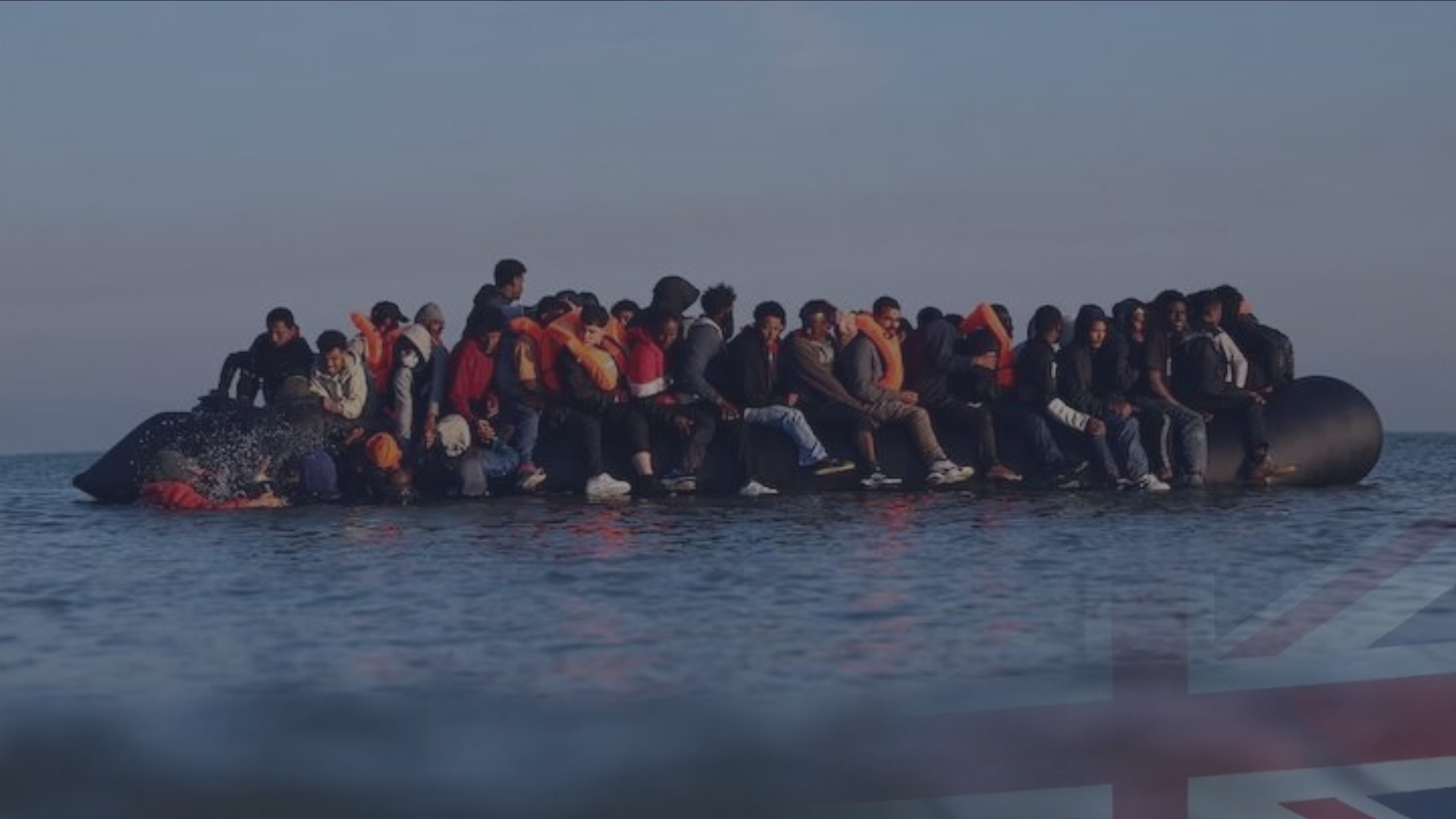
Government policies are under constant scrutiny, with critics arguing that enforcement has not kept pace with arrivals. Meanwhile, ministers point to new measures aimed at reducing crossings and reforming the asylum system.
The debate has also been shaped by other high-profile issues, including past failures in safeguarding cases, which have further eroded trust in institutions for some members of the public.
What is clear is that confidence, once lost, is difficult to rebuild.
Across online platforms and local discussions, a wide range of views are being expressed.
Some citizens call for stricter border controls and a greater focus on domestic priorities. Others stress the UK’s humanitarian obligations and the need for balanced, evidence-based policy.
While the tone can vary, from measured to highly charged, the underlying message is consistent: people want clarity, fairness, and a sense that the system is working.
A Defining Policy Challenge
Immigration has long been a complex issue, shaped by global conflicts, economic needs, and legal frameworks. But the current moment feels different.
Economic pressure, service strain, and questions of identity are converging into a single, highly visible national debate.
The path forward will require difficult choices.
Balancing border control with humanitarian responsibility, economic need with public confidence, and diversity with cohesion is no simple task.