New US Operation Raises Stakes in Key Waterway
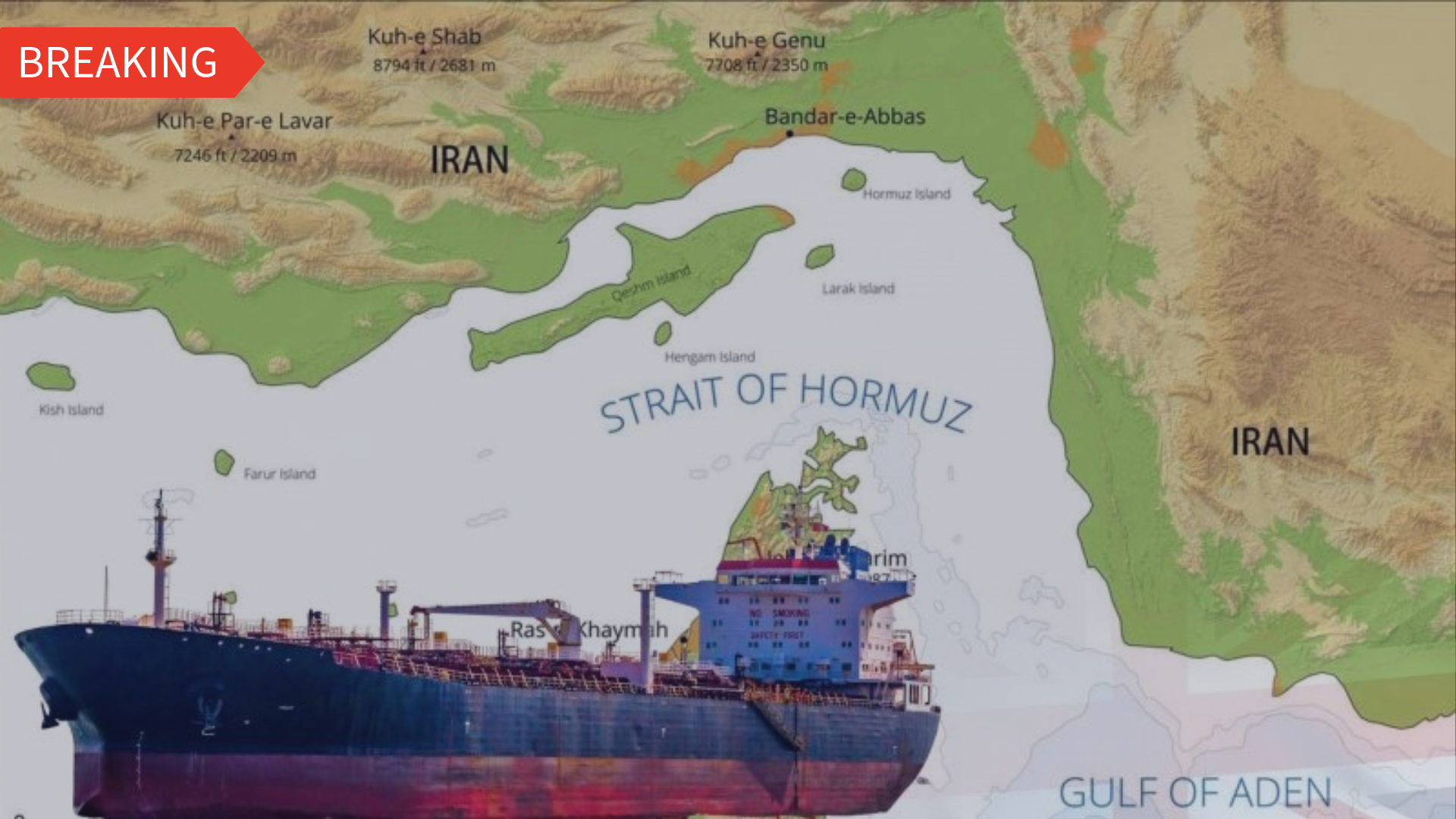
Tensions in the Strait of Hormuz have escalated sharply following the launch of a United States military operation known as “Project Freedom”.
The operation is understood to focus on securing maritime routes through one of the world’s most critical corridors, where roughly a fifth of global oil supply passes each day.
The move has been interpreted as a direct challenge to Iran’s influence over the narrow shipping lane, intensifying an already volatile standoff.
Iranian officials have responded with strong warnings, stating that any unauthorised military presence in the waterway would be met with force.
State-aligned media signalled that US vessels entering the region could face retaliation, framing the operation as a violation of regional security dynamics.
The rhetoric marks a significant escalation, with Tehran positioning itself as prepared to defend its territorial interests.
Iranian media reported that a US warship had been struck during the standoff.
However, the United States Department of Defense quickly denied the claims, stating that no such attack had taken place and that American vessels continued to operate safely in the Gulf.
The conflicting accounts highlight the difficulty of verifying events in real time and raise concerns about misinformation amplifying tensions.
Russian Oil Rerouted as Japan Receives First Shipment Since Crisis
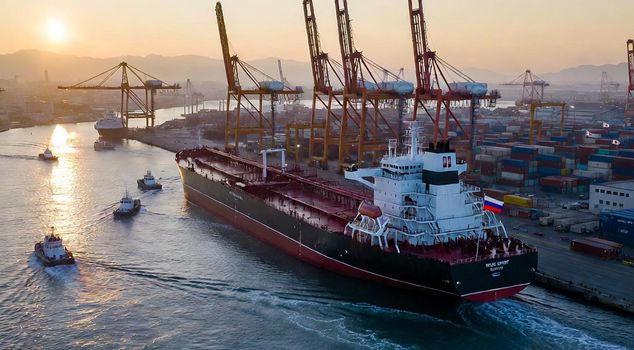
In a significant shift in global supply flows, Japan has reportedly received its first shipment of Russian oil since the disruption caused by the Iran conflict.
A tanker carrying crude from the Sakhalin-2 project arrived at Imabari on Japan’s western coast, according to multiple Japanese media outlets citing industry officials.
The delivery highlights how countries are rapidly adapting to supply shocks, rerouting energy imports as traditional routes through the Strait of Hormuz become uncertain.
Analysts say the move could signal a broader realignment in global energy trade, as nations seek alternative supply lines to stabilise their economies.
Fire at UAE Oil Facility Adds to Instability
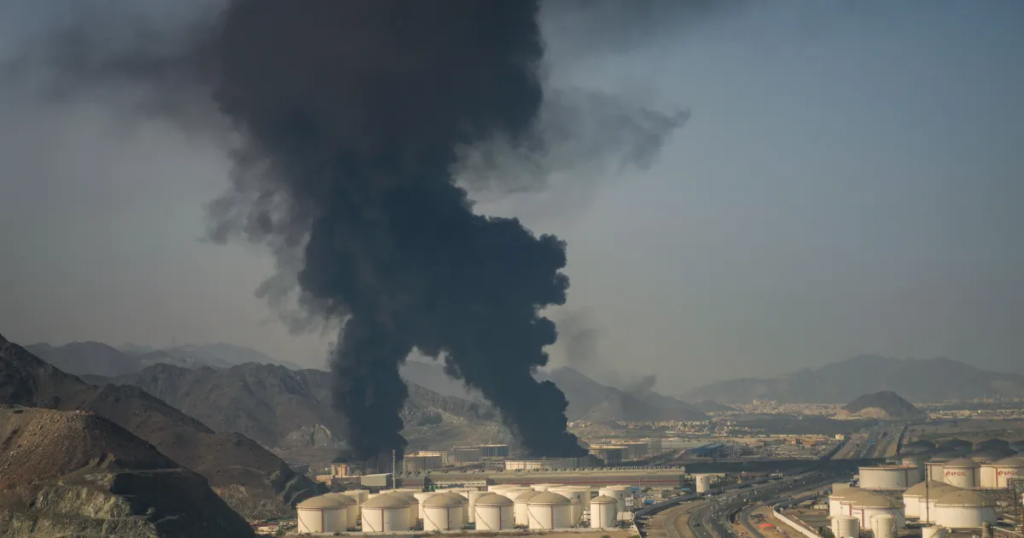
Separately, a major fire broke out at an oil facility in the United Arab Emirates. Authorities in the UAE have accused Iran of being behind a localized attack linked to the incident, although full details remain under investigation.
The development adds another layer of uncertainty to the situation, suggesting that tensions may be spilling beyond the immediate maritime zone. Energy markets have responded rapidly to the developments.
Oil prices surged amid fears of disruption to supply routes, with traders reacting to the risk that an escalation in the Strait of Hormuz could impact global oil flows.
Analysts say even the perception of instability in the region is enough to trigger price volatility, given the waterway’s strategic importance.
The Strait of Hormuz remains one of the most strategically sensitive locations in the global economy.
Any disruption, whether through military conflict, threats, or accidents, can have immediate consequences for energy prices, supply chains, and economic stability worldwide.
This latest escalation underscores how quickly regional tensions can ripple across global markets.
- US naval operations are expected to continue in the region
- Iran’s response remains a key uncertainty
- Investigations into the UAE oil facility incident are ongoing
- Markets will closely watch for any further escalation