
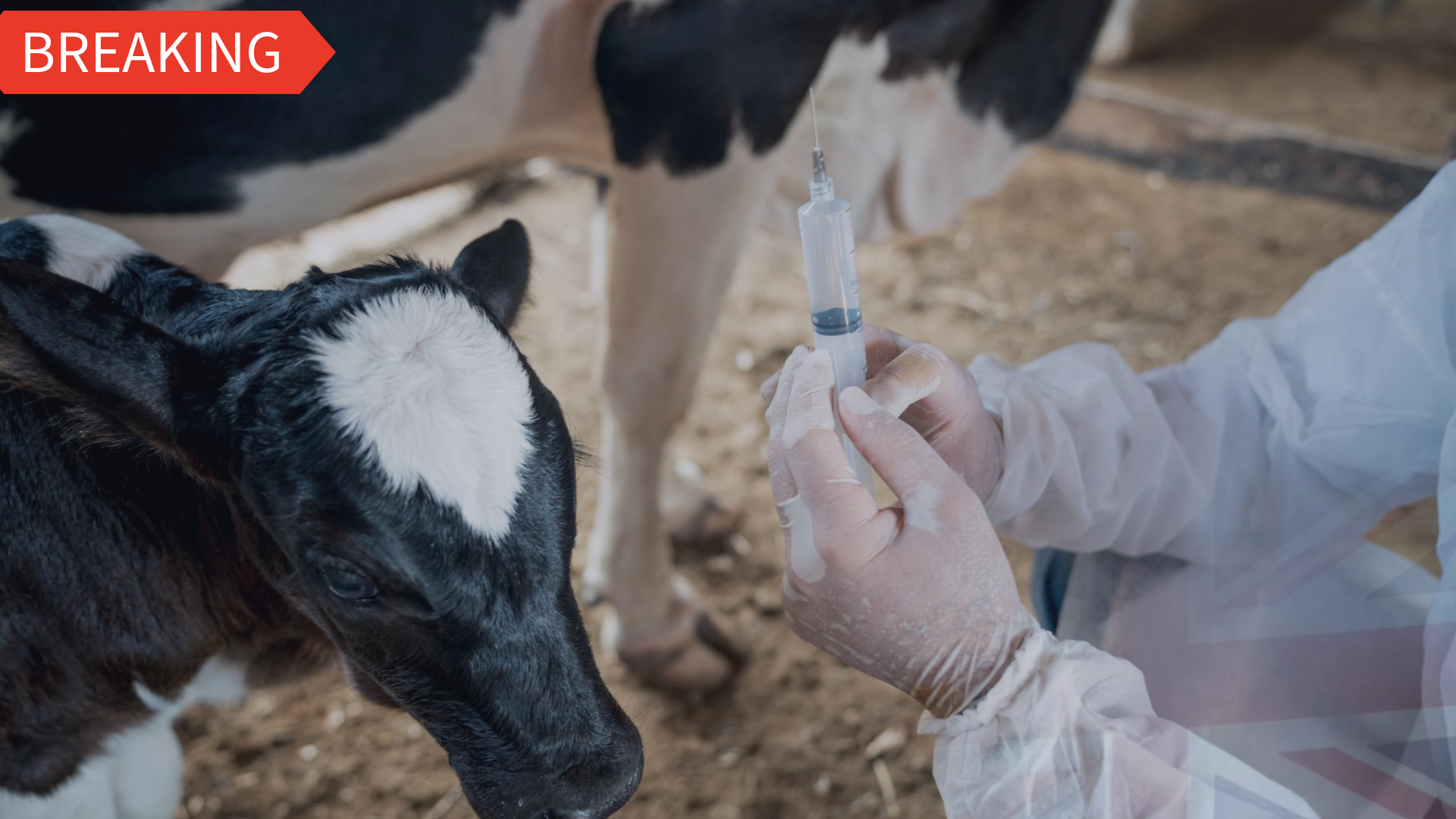
Government confirms major shift in bovine tuberculosis policy with cattle vaccinations by 2030
The UK government has announced a dramatic change in its fight against bovine tuberculosis (bTB), confirming plans to phase out England’s controversial badger cull and replace it with a nationwide cattle vaccination programme beginning in 2030.
The move marks one of the most significant shifts in agricultural policy in over a decade and is likely to reignite a debate that has divided farmers, scientists, conservationists, and politicians since the cull was first introduced in 2013.
Under the new strategy, ministers say England will move away from large-scale badger culling and instead focus on vaccinating cattle, strengthening disease surveillance, and improving farm biosecurity measures. The government’s long-term objective is to eradicate bovine tuberculosis in England by 2038.
The announcement comes after more than 250,000 badgers have been culled across England over the past 13 years. Successive governments argued the programme was necessary because badgers can carry and spread the disease to cattle, causing significant economic damage to the farming sector.
However, the policy has remained one of the most controversial wildlife management programmes in modern British history.
Animal welfare groups have repeatedly criticised the cull, arguing that scientific evidence supporting its effectiveness remains disputed. Campaigners have long called for vaccination programmes to replace lethal control measures.
Environment Secretary Steve Reed said the government’s new approach would provide farmers with stronger long-term protection while reducing reliance on culling.
The transition will depend heavily on the successful rollout of cattle vaccines, which have historically faced regulatory challenges because vaccinated animals can be difficult to distinguish from infected cattle during disease testing. Officials say advances in diagnostic technology have helped make a vaccination strategy increasingly viable.
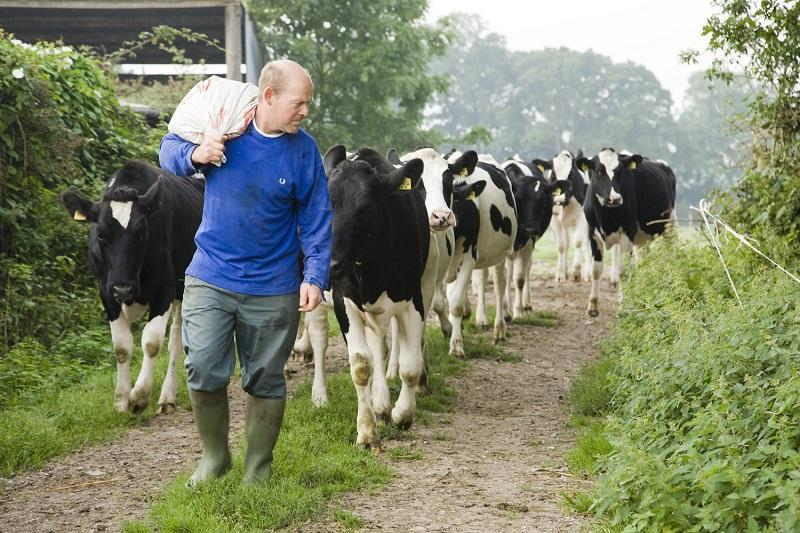
The National Farmers’ Union welcomed efforts to tackle bovine tuberculosis but warned that the disease continues to devastate farming businesses across England. For many farmers, bTB remains one of the biggest threats facing the livestock industry. Thousands of cattle are slaughtered every year following outbreaks, costing taxpayers and farmers hundreds of millions of pounds.
Across social media, reaction has been sharply divided. Wildlife groups hailed the announcement as a landmark victory after years of campaigning, while some farming communities expressed concern that abandoning the cull before vaccination programmes are fully operational could increase disease risks.
Political commentators have also noted that the decision represents a significant departure from previous Conservative government policies, reflecting Labour’s broader emphasis on environmental protection and wildlife conservation.