The Bank of England has launched a major public consultation that could transform the appearance of Britain’s money for generations to come.
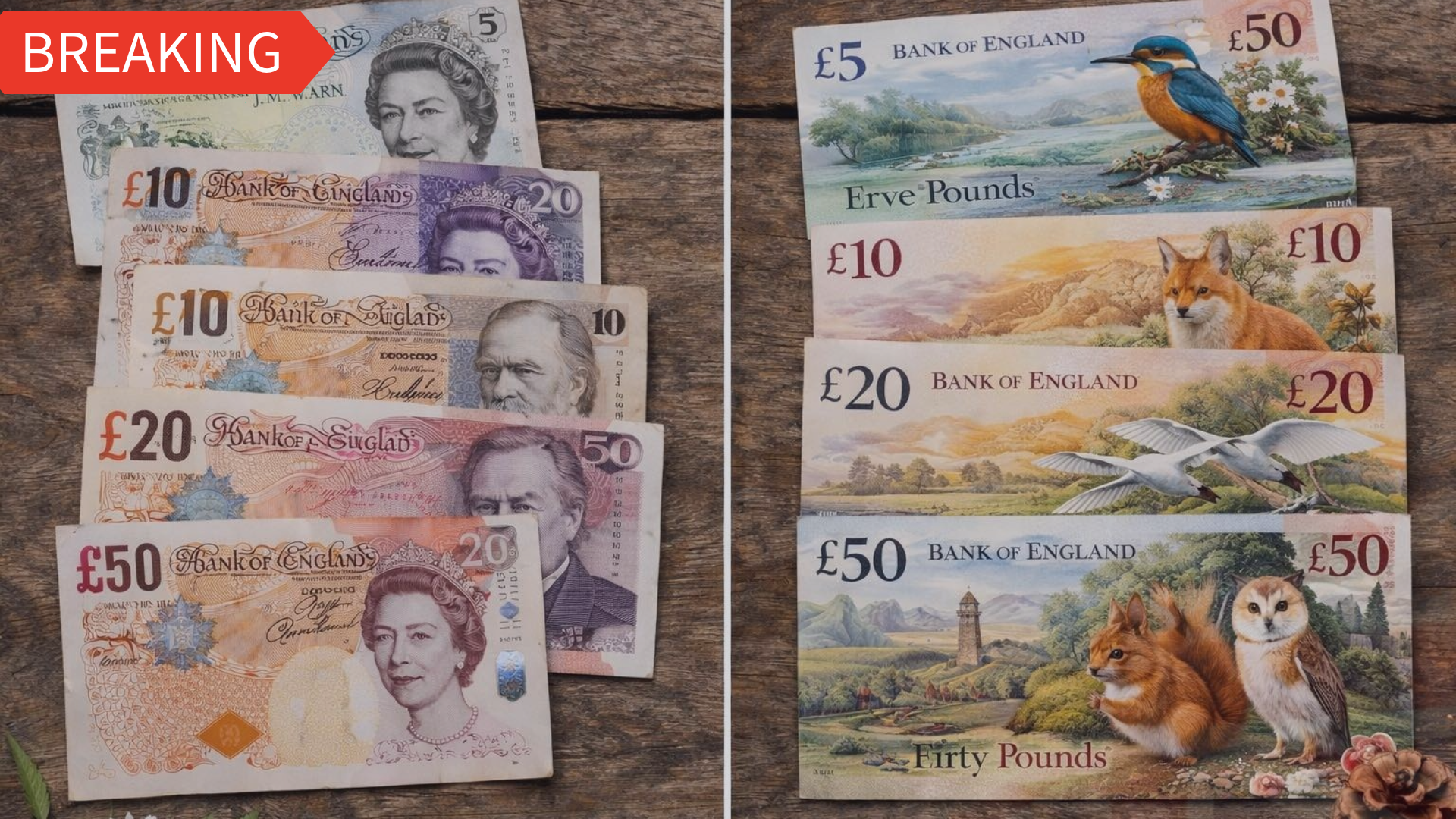
For the first time in more than half a century, iconic historical figures such as Winston Churchill, Jane Austen, JMW Turner, and Alan Turing could be replaced by native British wildlife on the nation’s banknotes. Members of the public are now being invited to help decide which animals will appear on the next generation of £5, £10, £20 and £50 notes.
The consultation follows an earlier nationwide vote in which “nature” emerged as the most popular theme for future banknotes. More than 44,000 people participated in that process, with approximately 60% supporting nature over alternatives, including historical figures, architecture, sport, and innovation.
Now, the Bank of England is asking the public to help select specific wildlife species that best represent the United Kingdom’s natural heritage.


A panel of wildlife experts has produced a shortlist featuring some of Britain’s most recognisable species.
Among the leading contenders are the Atlantic puffin, red fox, bottlenose dolphin, basking shark, barn owl, Atlantic salmon, and buff-tailed bumblebee. The final selection will be spread across the four denominations, ensuring a diverse representation of British wildlife.
The Bank says the redesign is about more than aesthetics.
Victoria Cleland, the Bank of England’s Chief Cashier, said the primary purpose of introducing a new series of notes is to strengthen protection against counterfeiting. However, she added that redesigns also provide an opportunity to celebrate important aspects of British identity and culture. Wildlife was considered particularly suitable because of both its visual appeal and its usefulness in creating complex anti-counterfeiting features.
The monarch will continue to appear on future banknotes, meaning King Charles III’s portrait will remain a permanent feature. However, the reverse side of the notes could look dramatically different from the current designs that have featured famous historical figures since the 1970s.
The prospect of removing some of Britain’s best-known historical figures has already sparked lively debate.
Supporters argue that wildlife offers a unifying national symbol that transcends politics and celebrates the natural environment. Conservation groups have welcomed the move, suggesting it could help raise awareness of biodiversity and endangered species among millions of people who use cash every day.
Critics, however, have questioned whether replacing figures such as Churchill and Austen risks weakening public appreciation of British history. Some political commentators have argued that historical figures provide educational value and serve as reminders of Britain’s cultural and scientific achievements.
Social media reaction has been particularly energetic. Across X, Facebook and Reddit, users have been debating which species deserve a place on Britain’s currency. Puffins, foxes, and dolphins have emerged as early favourites, while others have campaigned for more unconventional choices, including hedgehogs, red squirrels, badgers, and even urban wildlife such as pigeons. Conservation groups have also suggested including native plants and fungi alongside animals to better reflect Britain’s ecosystems.


The redesign represents one of the most significant visual changes to British currency in decades.
Bank officials have confirmed that the process remains in its early stages. Once public feedback is collected, final designs will be developed, tested, and prepared for production. The new notes are not expected to enter circulation for several years because of the extensive security testing and manufacturing process involved.
Representation across all four nations of the United Kingdom will also be considered during the design process. Officials have indicated that the final banknotes should reflect the diversity of wildlife found across England, Scotland, Wales, and Northern Ireland.
For many Britons, the consultation offers a rare opportunity to influence something they use every day.
Whether the eventual winners are puffins, dolphins, foxes, or bumblebees, the next generation of British banknotes could become a celebration of the natural world rather than the historical figures that have dominated the nation’s currency for more than 50 years.