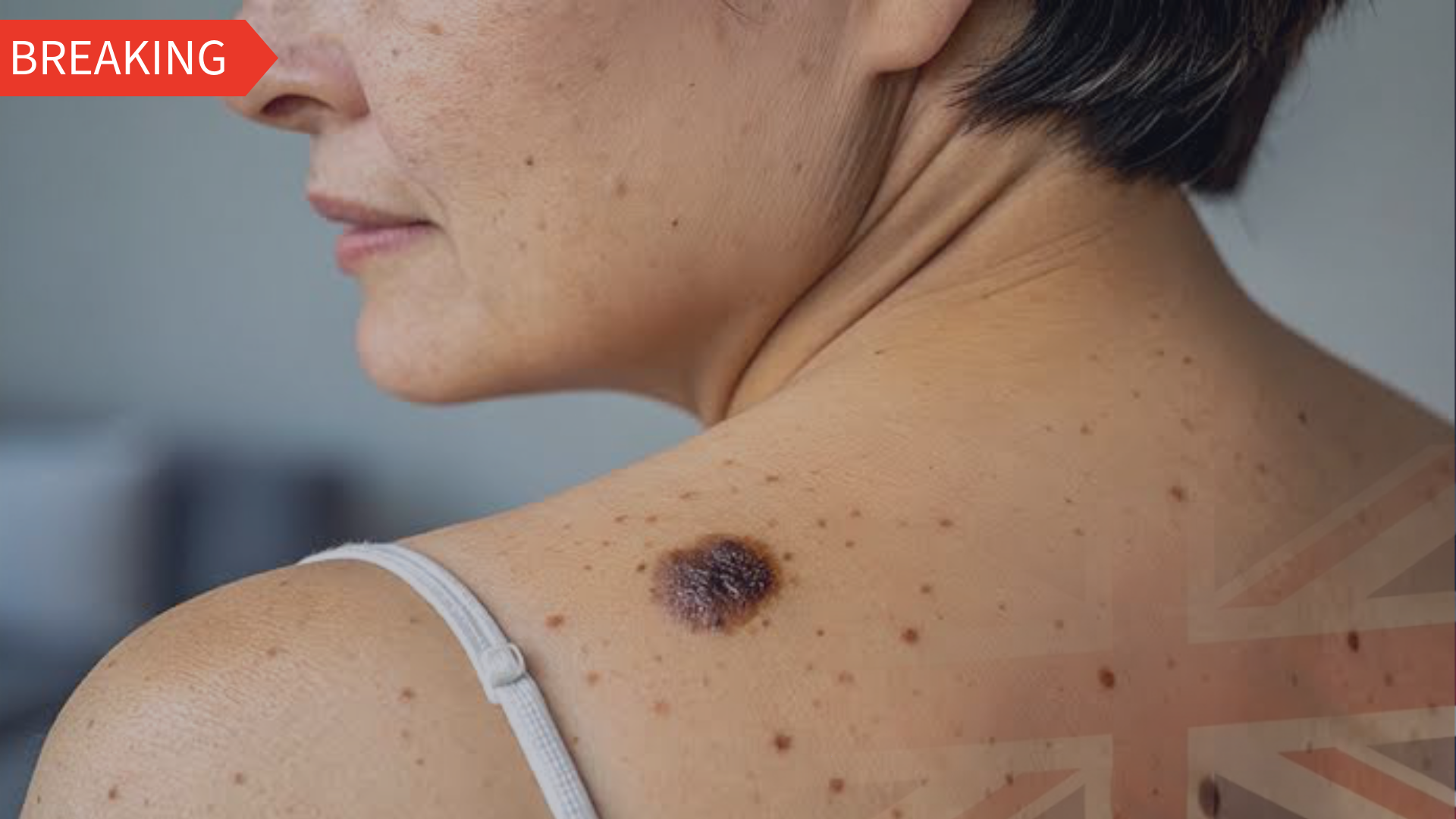
Britain is facing a growing skin cancer crisis after new national health figures revealed melanoma diagnoses have climbed to their highest level ever recorded.
Fresh analysis from Cancer Research UK shows more than 20,000 cases of melanoma, the deadliest form of skin cancer, were diagnosed in 2022 alone, marking the first time the figure has crossed that threshold. Experts now warn annual cases could surge even further over the coming decade.
The timing has only intensified concern. Britain is heading into what forecasters say could be the first major heatwave of 2026, with temperatures expected to soar across parts of England during the Bank Holiday weekend.

Health officials say the rise is being fuelled by decades of excessive ultraviolet exposure, an ageing population and persistent tanning habits that never fully disappeared despite years of public health campaigns.
Melanoma is now one of the fastest-rising cancers in Britain. Since the early 1990s, incidence rates have increased by more than 160%, with particularly sharp rises among older age groups.
But doctors insist much of the crisis is preventable.
Around 86% of melanoma cases are linked to overexposure to UV radiation from the sun or sunbeds, according to Cancer Research UK.
That statistic has reignited debate about Britain’s relationship with tanning culture, especially among younger generations increasingly influenced by social media beauty trends.

Across Reddit and X, users traded stories about severe sunburns, tanning addictions and the enduring British obsession with “getting brown” during short bursts of sunshine abroad.
At the same time, conspiracy theories and anti-sunscreen misinformation have also exploded online. Some viral posts falsely questioned whether sunscreen itself contributes to cancer risks — claims firmly rejected by dermatologists and cancer researchers.
Public health experts warn the bigger problem is inconsistency. Many people only apply sunscreen during holidays abroad while ignoring UV exposure during everyday outdoor activities in Britain.
The issue is becoming increasingly difficult to ignore as climate experts predict hotter, longer summers across the UK in coming years.

For many doctors, the fear is that melanoma is still not taken seriously enough until it is too late.
Unlike some other skin cancers, melanoma can spread aggressively through the body if not caught early. Yet survival rates improve dramatically when suspicious moles and skin changes are identified quickly.
Cancer charities are now urging Britons to check their skin regularly, use SPF 30 sunscreen or higher, avoid sunbeds and stop treating severe sunburn as a harmless part of summer.

Because behind the Bank Holiday sunshine and beach photos, Britain’s deadliest skin cancer is quietly becoming one of the country’s fastest-growing health threats.