
The Muslim Council of Britain (MCB) has launched an updated Mosque Safety and Security Guidance toolkit for Islamic centres across the United Kingdom, warning that anti-Muslim incidents are now hitting British mosques at least once a week.
The guidance, released just days before the ninth anniversary of the Finsbury Park terror attack, comes amid a wave of recent attacks, including graffiti, threatening letters, smashed windows, and a hit-and-run targeting a Muslim woman.
The toolkit arms mosques with practical defences, including a phased security framework, an emergency response plan covering evacuations and instant alerts, and guides on tackling intruders, hate mail, and cyber threats.
‘Empowering Our Communities to Remain Vigilant’
The MCB, which represents around 500 mosques and Muslim community centres across Britain, warned that places of worship and community centres are “increasingly facing a recurring pattern of vandalism, intimidation, threats and targeted hostility”.
In the handbook, titled “Security Preparedness Framework”, the council states it seeks to help mosques and Islamic centres prepare for “a growing threat of vandalism, intimidation, threats and targeted hostility” against Muslims and their institutions.
Among the most common threats listed are hostile graffiti, attempted arson, abuse and intimidation at entrances, suspicious individuals loitering around buildings, threats during busy prayer times, and bomb threats or suspicious packages.
The eight-page handbook sets out a 30‑month plan with recommendations including appointing a dedicated security officer, carrying out a comprehensive security assessment, identifying weaknesses in CCTV systems, and establishing clear lockdown procedures.
MCB Secretary-General Dr Wajid Akhter said: “This is about empowering our communities to remain vigilant.” He also pressed the government to confront far‑right radicalisation head‑on.
Lockdown Drills and Police Ties
The guidance advises mosques to carry out lockdown drills, strengthen ties with police, and improve CCTV coverage under the national guidance published amid growing concerns about anti‑Muslim attacks.
It provides practical advice on how mosques should respond to an incident, including emergency response planning, incident reporting systems, and measures to strengthen relationships with local authorities and police forces.
The framework encourages mosques to build stronger relationships with neighbours, councillors, local businesses, and other faith groups, saying community ties can help ensure a faster and calmer response when incidents occur.
‘Violence on Our Streets’
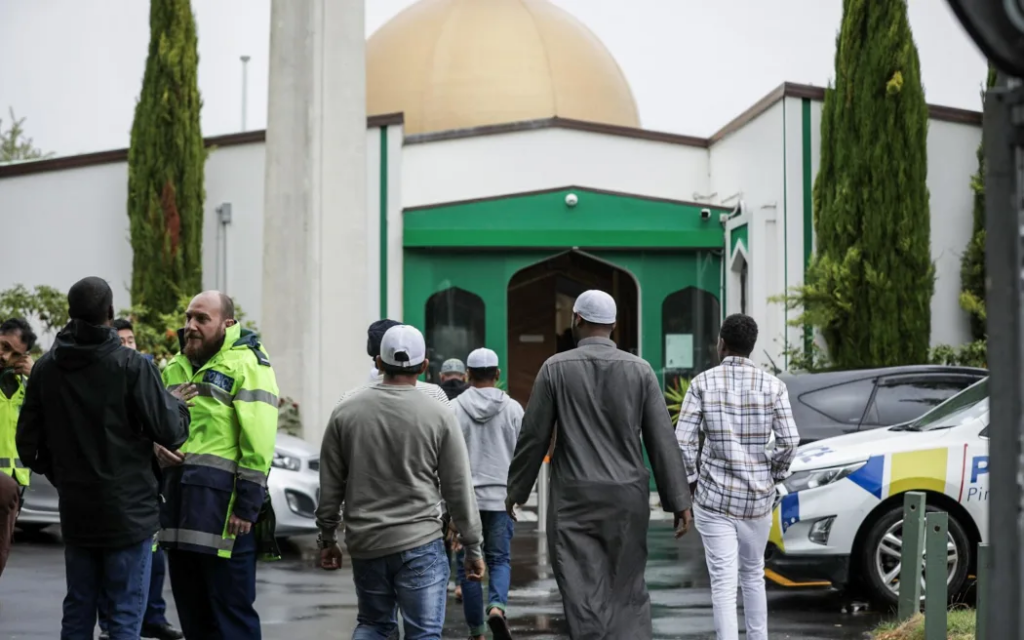
There has been a series of attacks recently targeting Muslim communities, including one on the home of an imam in Bolton, and heightened fears after racist riots in Belfast.
The MCB warned its nearly 500 affiliated mosques and community centres to remain vigilant for another summer of “violence on our streets”. Imams were encouraged to use Friday sermons to share messages of hope, unity, and resilience.
Dr Akhter said communities remained concerned about a repeat of the unrest seen in recent summers.
“As we approach the anniversary of the 19 June Finsbury Park terrorist attack, our thoughts and prayers remain with the family of Uncle Makram Ali, the survivors and their families,” he said.
“The horror of that night remains etched in our collective memory. It remains a stark reminder of what happens when venomous, unchecked Islamophobia is allowed to fester in our society.”
He added that dehumanising rhetoric against ethnic minorities, immigrants, and Muslims circulating in public discourse had directly translated to heightened anxiety and vulnerability on the ground.
Record Rise in Hate Crime
Home Office figures released last October showed recorded hate crime in England and Wales was rising for the first time in three years, including increases in racially and religiously motivated offences.
In England and Wales, where 3.9 million people identify as Muslim, anti‑Muslim hate crimes rose from 2,690 offences to 3,199 in the 12 months to March 2025.
The MCB noted that while many centres have invested in CCTV systems and locks, “far fewer have a clear, shared plan” setting out how to respond during the critical first minutes after an incident and who is responsible for managing the response.
Phased Security Roadmap
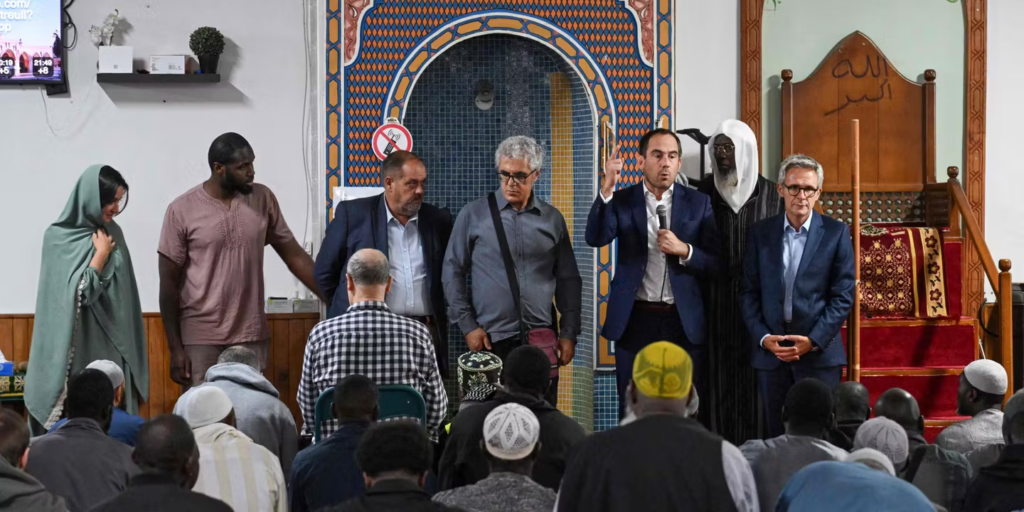
The guidance sets out a phased roadmap for improving security over three, 12, and 36 months.
Initial recommendations include appointing a dedicated safety lead, carrying out a walkthrough security assessment, identifying CCTV blind spots, and establishing clear lockdown and “hold and secure” procedures.
The guidance warns that common vulnerabilities include a lack of named safety officers, weak links with police, uncontrolled access points, poor lighting, and volunteers being unsure how to respond during emergencies.
Social Media Reaction
The toolkit has sparked widespread discussion across social media platforms. On Twitter/X, the hashtag #MosqueSafety trended throughout the day, with users debating the scale of the threat facing Islamic centres. Many expressed support for the MCB’s proactive approach, while others called on the government to do more to tackle far‑right extremism.
On Reddit, political and UK‑focused subreddits were flooded with analysis, with many users pointing to the Home Office hate crime statistics as evidence of a growing crisis. Some commentators noted that the guidance reflects a troubling reality for British Muslims, who are increasingly forced to consider security measures in their places of worship.
Community leaders have also taken to Facebook to share the toolkit with local mosque committees, urging trustees to implement the recommendations ahead of the summer months.
What the MCB Says
The council’s mission is to “empower Muslim communities towards achieving a just, cohesive and successful British society”.
According to the latest population data cited by the council, Britain is home to around 4 million Muslims, representing 6 per cent of the population – a figure reflecting growth of more than 151 per cent over the past 25 years.
The MCB represents around 500 mosques and Muslim community centres across Britain and maintains strong ties with state institutions, including the police and the Home Office.
Analysis: A Growing Concern
The launch of the updated Mosque Safety and Security Guidance toolkit marks a significant moment in the ongoing struggle against anti‑Muslim hatred in the United Kingdom.
The fact that the MCB felt compelled to issue such comprehensive guidance – including lockdown drills, emergency response planning, and a 30‑month security roadmap – underscores the severity of the threat facing Islamic centres across the country.
With anti‑Muslim hate crimes rising and far‑right rhetoric increasingly seeping into mainstream discourse, the toolkit represents both a practical response to an immediate danger and a broader call to action for the government and society as a whole.
As Dr Akhter put it, unchecked Islamophobia allowed to fester in society has real‑world consequences. The question now is whether the government will heed the MCB’s call to confront far‑right radicalisation head‑on – or whether British mosques will be left to defend themselves against a rising tide of hostility.