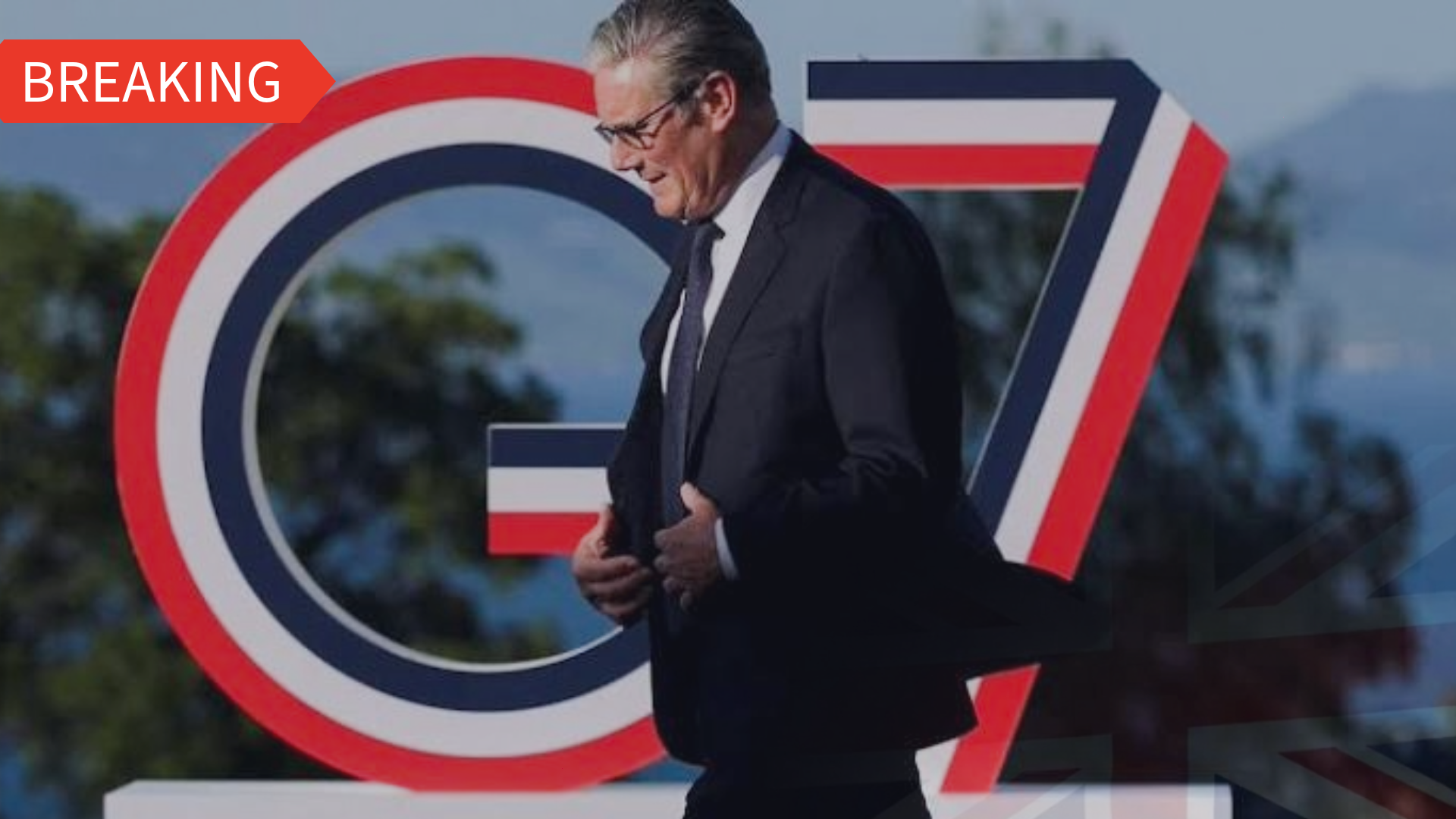
Prime Minister Keir Starmer announced a sweeping package of 70 new sanctions against the Russian Federation during the G7 summit in Évian-les-Bains, France. The measures represent a significant escalation in the United Kingdom’s efforts to dismantle the financial, logistical, and maritime networks sustaining Moscow’s war economy.
The latest sanctions specifically target Russia’s “shadow fleet”, a covert network of aging vessels utilized to export crude oil in defiance of Western price caps. The package blacklists over 20 oil tankers, alongside maritime insurance providers such as Balance Insurance, which have facilitated these illicit operations. Prime Minister Starmer stated that the sanctions are designed to “target the vessels, the money and the actors propping up Russia’s war economy, and in turn, threatening European security.”
In a notable policy shift, the United Kingdom became the first G7 nation to sanction several newly acquired Liquefied Natural Gas (LNG) carriers servicing the Arctic LNG 2 project. British officials indicated that the Kremlin acquired these vessels at immense expense to generate revenue following the departure of foreign investors from the project. According to government data, Western restrictions have already limited the Arctic LNG 2 terminal to exporting a mere 1.3 million metric tons of its 13.5 million-ton annual capacity in 2025, despite the facility’s capability to process ten times that volume.
The sanctions extend significantly beyond maritime operations. The Foreign, Commonwealth and Development Office (FCDO) designated a Russian military intelligence (GRU) network centered around the front company LLC Neptune Co Ltd. The government alleges that this entity, along with 10 GRU officers, covertly procured Western technology critical to sustaining the Russian military offensive in Ukraine.
Furthermore, the UK has targeted third-country entities accused of facilitating sanctions evasion. The new designations penalize military equipment suppliers operating within China, Thailand, and Turkey. The UK also sanctioned a Nigerian-based financial entity linked to the “A7” evasion scheme, illustrating the global scope of the crackdown on illicit financial pathways.
Foreign Secretary Yvette Cooper emphasized the proactive nature of the new measures. “As the Kremlin resorts to ever more shady tactics to sustain its war, from its ageing shadow fleet to covert finance networks, the UK remains one step ahead in shutting them down,” she stated.
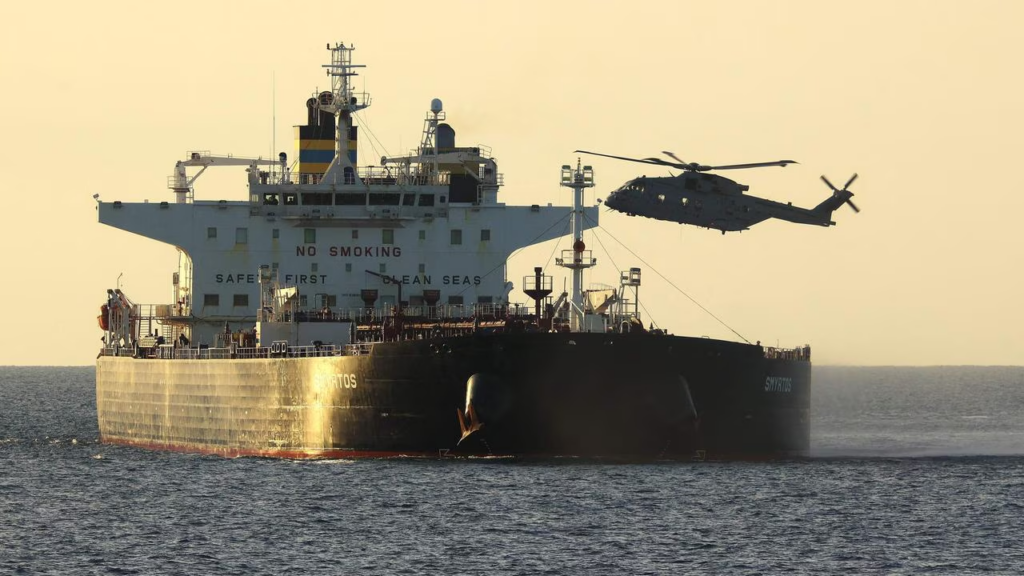
The diplomatic offensive coincides with increased physical interdiction efforts. Over the weekend preceding the G7 summit, Royal Marines intercepted an unflagged shadow fleet tanker in the English Channel, resulting in the arrest of the vessel’s captain for suspected breaches of UK sanctions law.
The UK government confirmed it has now sanctioned nearly 500 individuals and entities under its Russia regime in 2026 alone, as allied support for Ukraine continues to dominate the geopolitical agenda at the G7 summit.