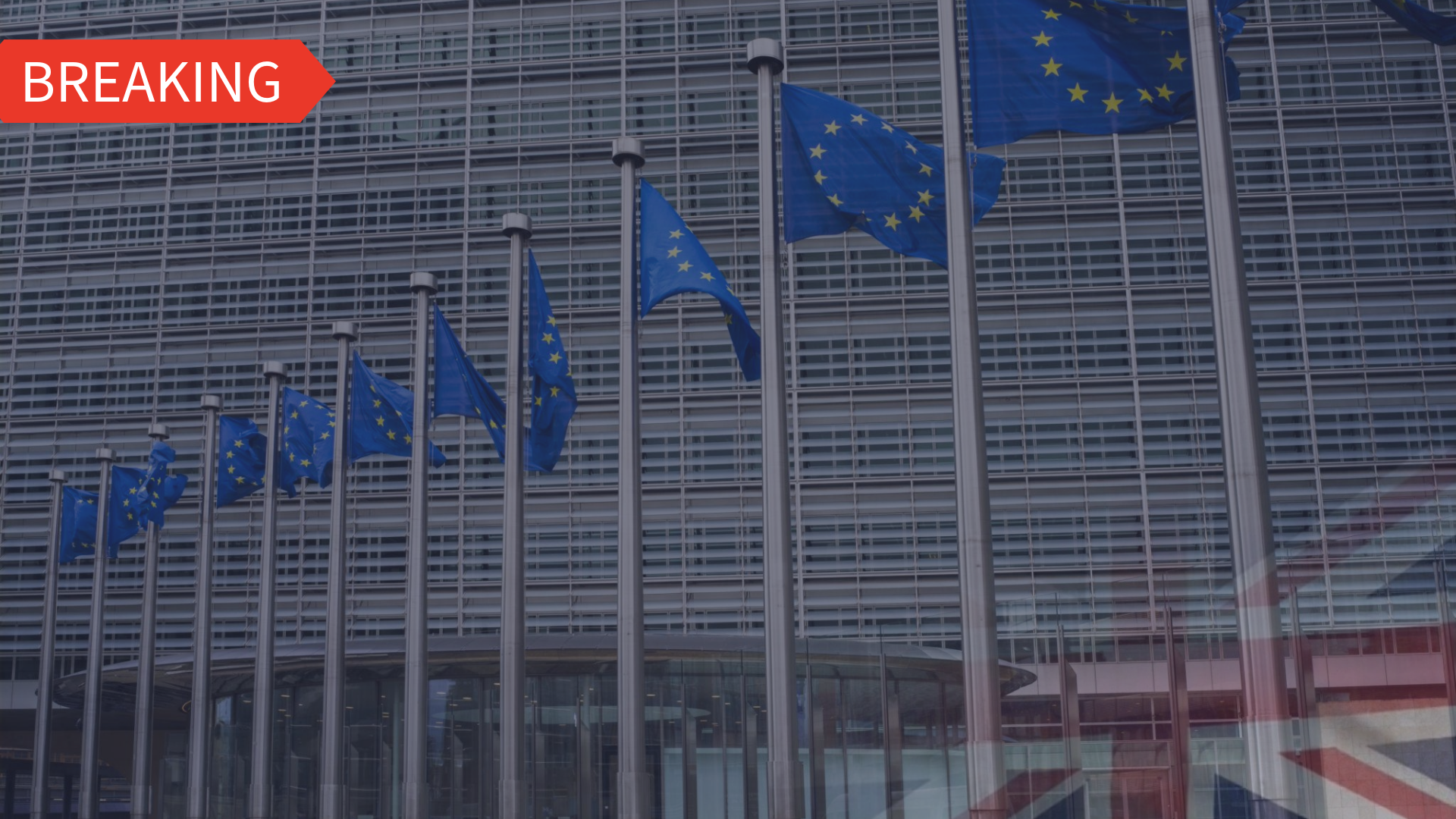
The European Union has entered a pivotal new chapter after formally launching the accession process for Ukraine and Moldova while simultaneously implementing its long-debated Pact on Migration and Asylum, two historic developments that could redefine the bloc’s political and demographic future.
EU officials opened the first phase of membership negotiations with Ukraine and Moldova in Luxembourg on Monday, marking a significant milestone in both countries’ decades-long ambitions to join the European Union. The move follows years of political negotiations, reforms, and diplomatic obstacles, particularly regarding Ukraine’s bid during its ongoing conflict with Russia.
For Kyiv, the launch of substantive accession talks represents one of the most important geopolitical victories since Russia’s full-scale invasion in 2022. Ukrainian officials described the development as a “Rubicon moment,” arguing that EU membership remains central to the country’s long-term security, economic recovery, and democratic future. Moldova also began negotiations as the bloc seeks to strengthen stability and resilience across Eastern Europe.
A New Era for EU Migration Policy

At the same time, the European Union’s Pact on Migration and Asylum officially entered into force following years of political wrangling between member states. The legislation introduces sweeping reforms designed to create a more unified and predictable asylum system across the bloc.
The new framework establishes faster asylum procedures, enhanced border screening mechanisms, expanded digital registration systems, and a solidarity mechanism intended to distribute migration responsibilities more evenly among member states. Countries receiving fewer asylum seekers may be required to provide financial or operational support to those facing greater migration pressures.
Supporters argue the reforms will help prevent the recurring migration crises that have strained EU unity over the past decade. Critics, however, contend that some measures place excessive emphasis on deterrence and border enforcement rather than addressing the root causes of migration.
UNHCR and IOM Welcome the Changes
The United Nations High Commissioner for Refugees (UNHCR) and the International Organization for Migration (IOM) welcomed the pact’s implementation, describing it as an opportunity to move beyond crisis-driven responses toward a more predictable and coordinated migration system. Both organizations expressed hope that the reforms would improve cooperation between member states while maintaining protection for vulnerable asylum seekers.
The migration pact remains one of the most controversial pieces of EU legislation in recent years. While several governments have embraced the reforms, others have expressed reservations about implementation requirements and burden-sharing arrangements. Questions also remain over how consistently the new rules will be applied across all 27 member states.

Europe’s Future Being Redrawn

Taken together, the launch of accession talks with Ukraine and Moldova and the implementation of the migration pact represent a significant strategic shift for the European Union. One initiative expands the bloc’s future geographic footprint, while the other seeks to establish a new framework for managing migration and asylum within its borders.
As Europe confronts ongoing security challenges, migration pressures, and geopolitical competition, both policies are likely to shape the direction of the EU for years to come. The success of these reforms may ultimately determine not only how the bloc manages its borders, but also how it defines its identity in an increasingly uncertain world.