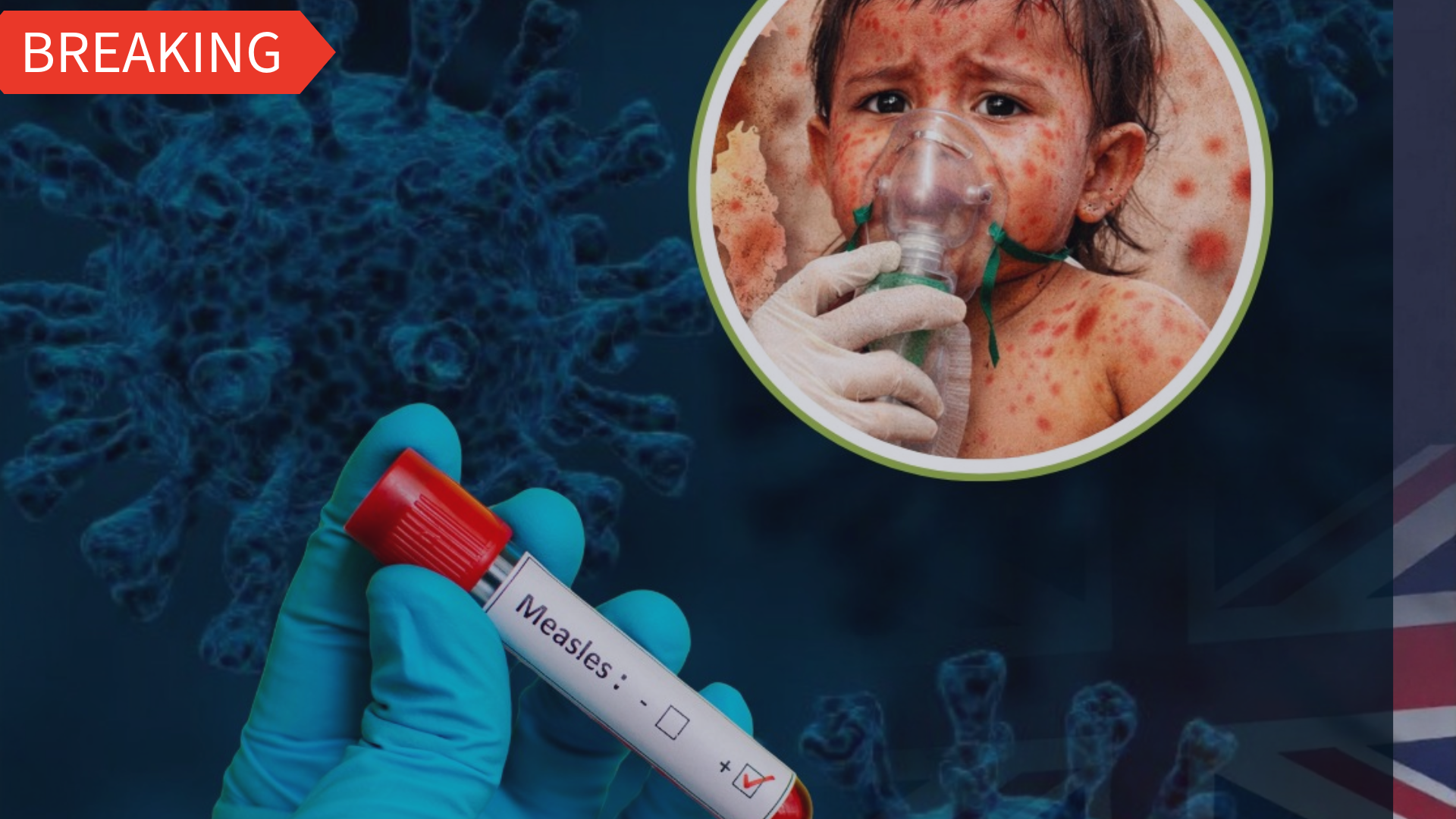
England is facing its most serious measles resurgence in years after health officials confirmed 736 laboratory-confirmed cases and two child deaths linked to the highly contagious disease during the first half of 2026.
New data published by the UK Health Security Agency (UKHSA) shows measles infections have continued to rise since the start of the year, with outbreaks heavily concentrated in London, the East of England and the West Midlands. The figures have renewed concerns about declining vaccination rates and growing vulnerability among children who have missed routine immunisations.
Health officials say the outbreak is being driven largely by insufficient uptake of the MMR (measles, mumps and rubella) vaccine. Public health experts have repeatedly warned that vaccination coverage has fallen below the 95% threshold required to prevent sustained outbreaks, allowing the virus to spread more easily within communities.
The latest figures show London remains the epicentre of the outbreak, accounting for more than half of confirmed cases nationwide. Areas of Birmingham and parts of the East of England have also reported significant clusters of infection. Previous UKHSA reports identified North London boroughs including Enfield, Haringey and Islington among the worst-affected areas.
Measles is one of the world’s most infectious diseases and can spread rapidly through schools, nurseries and households. While many patients recover fully, the virus can cause serious complications including pneumonia, brain inflammation, seizures and, in rare cases, death. Young children, pregnant women and people with weakened immune systems face the highest risks.
The two reported child fatalities have intensified calls for parents to check their children’s vaccination records. NHS and UKHSA officials are urging families who may have missed MMR appointments to arrange catch-up vaccinations as soon as possible. The vaccine is available free through the NHS and provides long-term protection against measles, mumps and rubella.
The resurgence comes after the UK lost its measles elimination status earlier this year, a setback that public health experts attributed to declining vaccination rates and the spread of vaccine misinformation. International health authorities have warned that several developed countries are now seeing diseases once considered largely under control return because of falling immunisation coverage.
Discussion across social media platforms including Facebook, X and Reddit has focused heavily on vaccine uptake, with many users expressing concern about the return of a disease that had previously become rare in Britain. Healthcare professionals have also used social media to encourage parents to ensure children receive both recommended MMR doses.

Public health officials warn that without improved vaccination coverage, further outbreaks remain likely throughout 2026. As schools prepare for the next academic year and families begin summer travel, health agencies say increasing immunisation rates remains the most effective way to prevent additional infections and protect vulnerable children from serious illness.