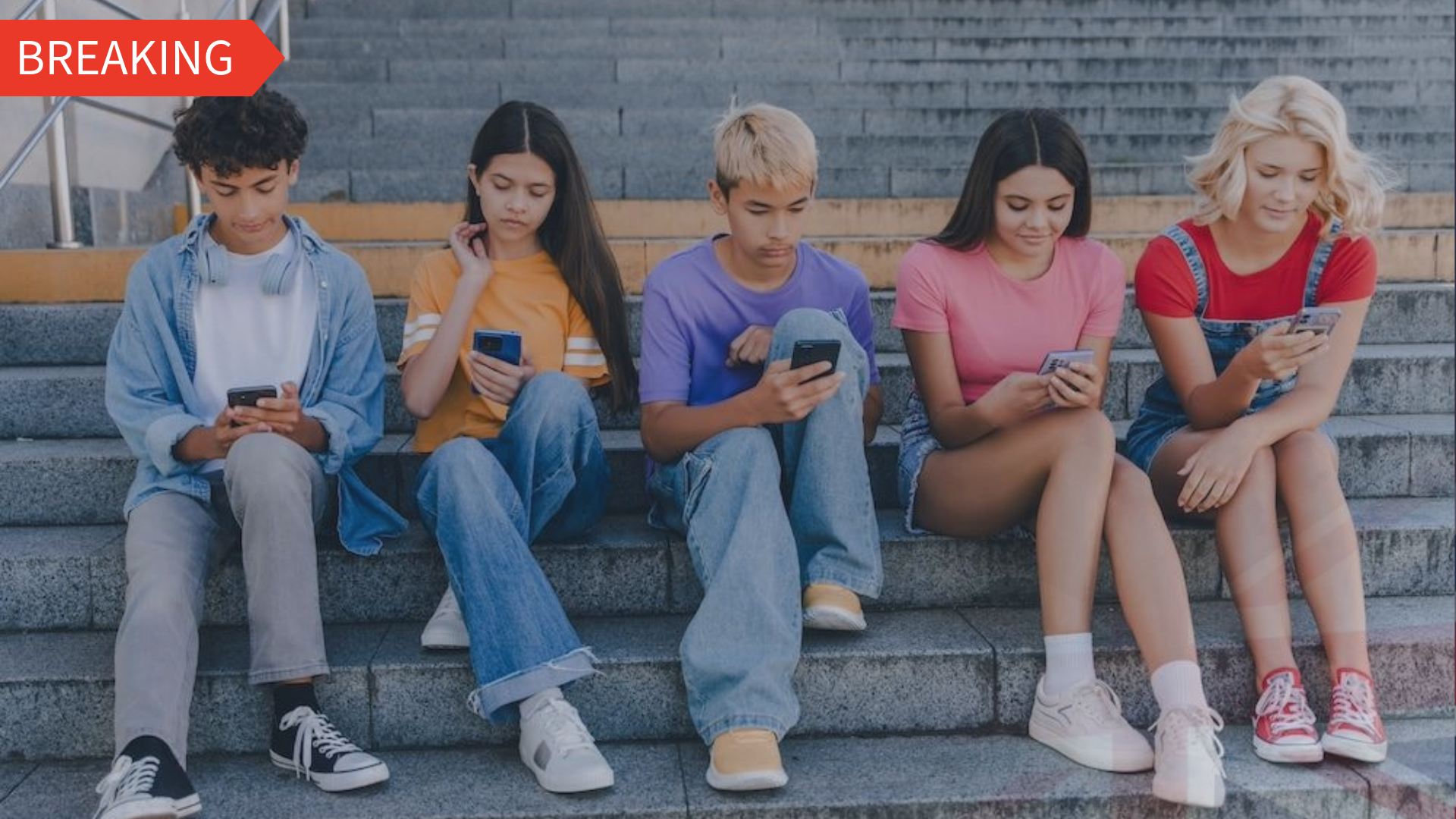
The UK government is considering some of the toughest social media restrictions ever proposed for British children, after Health Secretary Wes Streeting backed calls for a partial ban on social media use for under-16s.
The proposals, currently under discussion inside government, could introduce legally enforced limits on how children access platforms such as TikTok, Instagram, Snapchat, and X. Ministers are reportedly examining curfews, time restrictions, and stronger age verification systems as pressure grows over the impact of social media on teenage mental health.

Streeting compared the growing concerns around social media harm to the early public health battles against smoking, warning that Britain may eventually look back on unrestricted youth social media use in the same way previous generations viewed tobacco advertising.

Speaking during recent interviews, Streeting said there is now “compelling evidence” linking excessive social media use to anxiety, depression, sleep disruption, and addictive behaviour among young people.
The debate has exploded across Britain at a time when concerns over online safety are already dominating schools, parenting groups, and political discussions.
Supporters of tighter restrictions argue that many children are being exposed to harmful content far too young, including violent material, pornography, self-harm content, and manipulative algorithms designed to maximise screen time.
Campaigners also point to growing evidence connecting heavy social media use with worsening mental health outcomes among teenagers.
But critics warn the government could be moving dangerously close to state overreach.
Civil liberties groups and some technology experts argue that enforcement would be extremely difficult and could push children onto less regulated corners of the internet. Others say responsibility should remain with parents rather than ministers.

The issue has also become politically sensitive because Britain already has one of the most heavily regulated online environments in the Western world following the introduction of the Online Safety Act.

Across X, Facebook and parenting forums, many users backed tougher rules, arguing social media has become “digital junk food” for children. Others accused politicians of trying to distract from wider failures in education, policing, and mental health services.
Some younger users mocked the proposals entirely, suggesting teenagers would simply bypass restrictions using VPNs, fake ages, or alternative apps.
The debate is also reopening wider questions about modern childhood itself.
Teachers have repeatedly warned about shrinking attention spans, rising classroom behavioural problems, and pupils struggling to socialise away from screens. Meanwhile, many parents privately admit they feel powerless against platforms designed to keep children endlessly scrolling.
For Streeting, the issue fits into a broader political argument that governments can no longer treat social media companies as neutral platforms while online harms continue rising among young people.

No final legislation has yet been confirmed, and ministers are expected to face fierce resistance from technology companies and free speech campaigners if formal restrictions move forward.
But one thing is already clear: Britain’s battle over children, smartphones and social media is rapidly becoming one of the biggest cultural and political fights of the digital age.