Major Financial Backing for Ukraine
The European Union has approved a new €90bn loan tranche for Ukraine, marking one of the largest financial support packages since the start of the conflict.
The funding is aimed at stabilising Ukraine’s economy, maintaining public services, and supporting reconstruction efforts as the war continues to place a strain on state finances.
Officials say the move reflects a long-term commitment to Ukraine’s resilience and its integration with European institutions.
European leaders have framed the package not only as economic support, but also as a strategic message.
By committing such significant resources, the bloc is reinforcing its political backing for Ukraine at a time of continued uncertainty on the battlefield and in global diplomacy.
The funding is expected to be disbursed in stages, tied to reforms and financial oversight mechanisms.
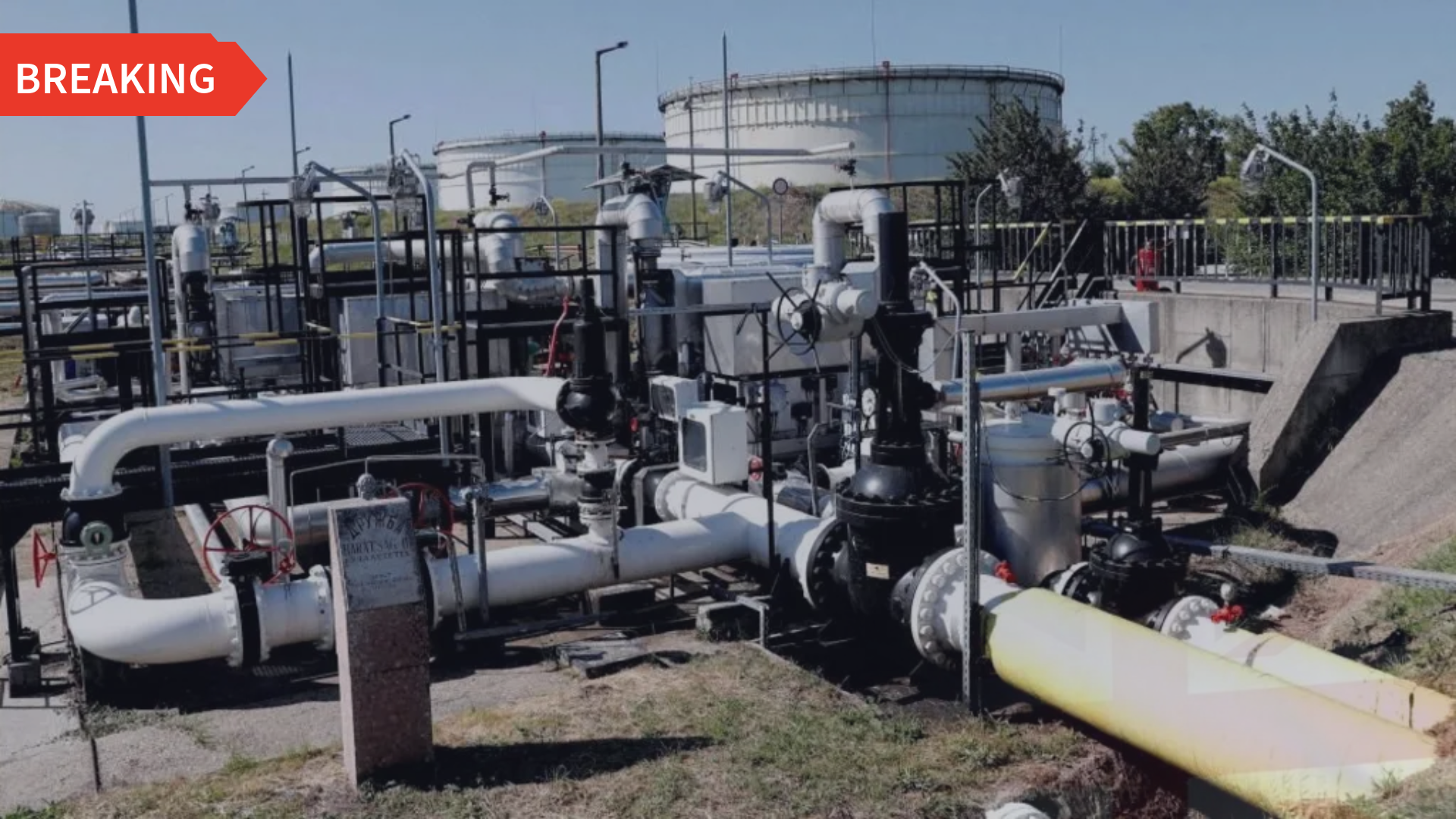
In a separate but closely watched development, the Druzhba oil pipeline has resumed operations after months of disruption.
The pipeline, one of the largest in Europe, transports Russian oil to several countries across the continent. Its restart is seen as a key step in easing pressure on regional energy supplies.
The suspension had been linked to ongoing disputes and logistical challenges, highlighting the fragility of energy infrastructure in the current geopolitical climate.
While the resumption of flows may provide short-term relief, analysts warn that Europe’s energy situation remains highly sensitive to political developments.
The continent has been working to diversify energy sources and reduce dependence on Russian supplies, but key infrastructure like the Druzhba pipeline continues to play a role in meeting demand.
Any renewed disruption could quickly affect prices and supply chains.
The twin developments, financial support for Ukraine and the reopening of a major oil route, underscore the complexity of Europe’s position.
On one hand, the EU is deepening its commitment to Ukraine. On the other, it continues to navigate energy realities shaped by longstanding dependencies.
The focus now shifts to implementation.
EU officials will be monitoring how the funds are deployed in Ukraine, while energy markets will be watching for signs of stability or further disruption following the pipeline’s restart.