Flashpoint in a Critical Oil Corridor
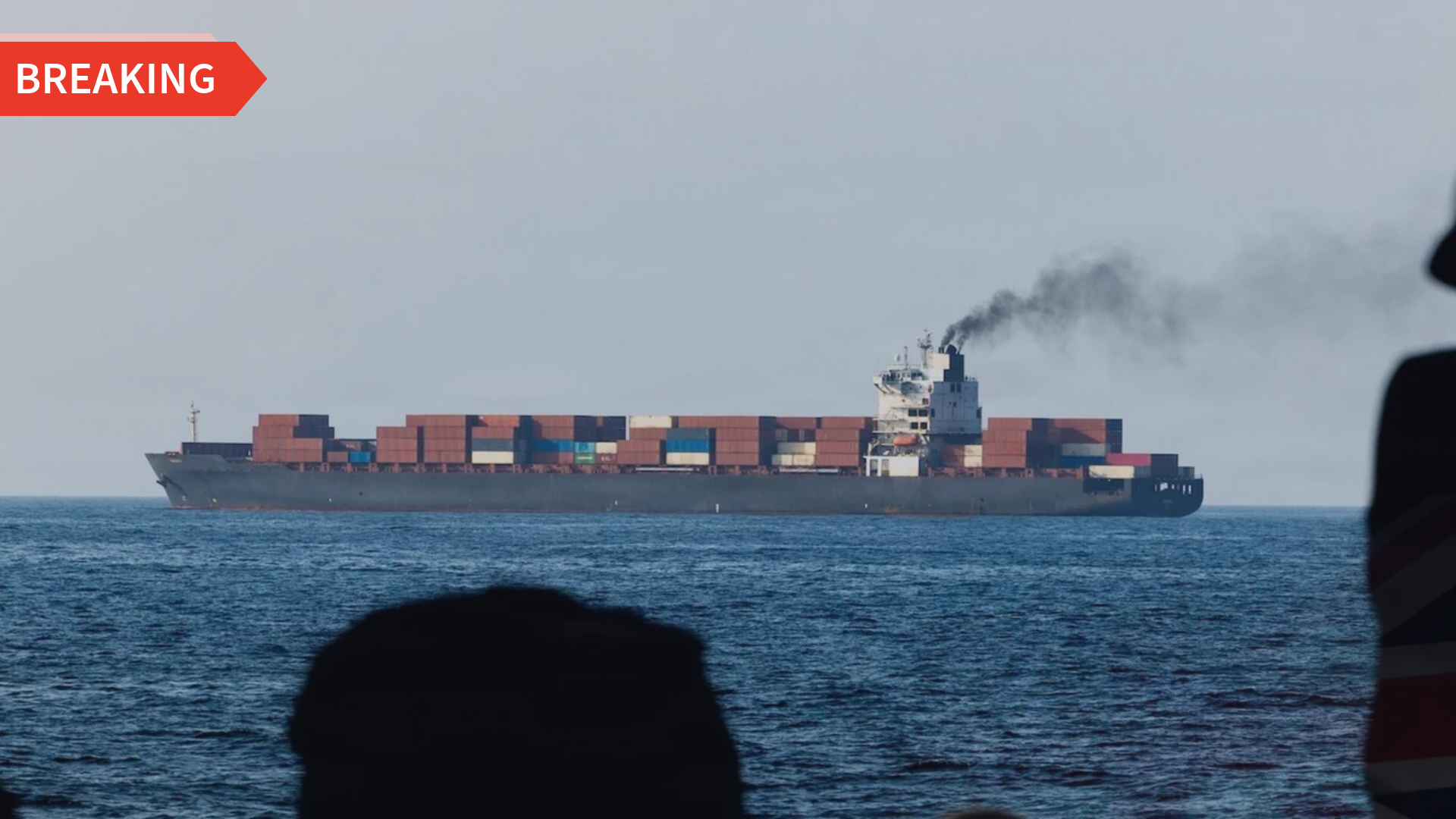
Global markets are on edge as Iran targets multiple commercial vessels and seized two cargo ships in the Strait of Hormuz, raising fresh fears over oil supply and stalled diplomacy.
The vessels, identified as MSC Francesca and Epaminondas, were taken into Iranian custody, while a third ship was disabled during the incident. The actions mark a significant flare-up in a region that carries roughly a fifth of the world’s traded oil.
Global shipping routes through the strait are now under renewed scrutiny, with operators reassessing risks in one of the most strategically sensitive waterways on the planet.
The Islamic Revolutionary Guard Corps (IRGC) said the vessels were engaged in unauthorised activities, justifying the intervention as a matter of maritime enforcement.
Iran has also accused the United States of “piracy,” citing the ongoing naval blockade of Iranian ports as a provocation that undermines regional stability.
The competing narratives reflect the broader breakdown in trust between the two sides, even as diplomatic efforts continue.
The latest incident comes just days after Donald Trump announced an indefinite extension of a ceasefire arrangement between the US and Iran, reportedly to allow more time for negotiations.
The extension followed diplomatic engagement involving Pakistan, which has been pushing for de-escalation.
However, the US naval presence and blockade remain in place, leaving a fragile situation in which formal hostilities are paused, but underlying tensions remain unresolved.
Oil markets have responded quickly to the developments.
Prices, which had briefly stabilised following the ceasefire announcement, are now showing renewed volatility as traders weigh the risk of disruption to global supply.
Given the strategic importance of the Strait of Hormuz, even limited incidents can have outsized effects on energy markets, inflation expectations, and broader economic stability.
Despite the ceasefire extension, progress in negotiations appears limited.
Officials on both sides continue to express willingness to engage, but key disagreements—particularly over sanctions, maritime access, and regional security remain unresolved.
The latest confrontation at sea is likely to complicate efforts to rebuild confidence and move talks forward.
The situation underscores the fragile balance currently in place.
On paper, a ceasefire exists. In practice, tensions continue to flare.