
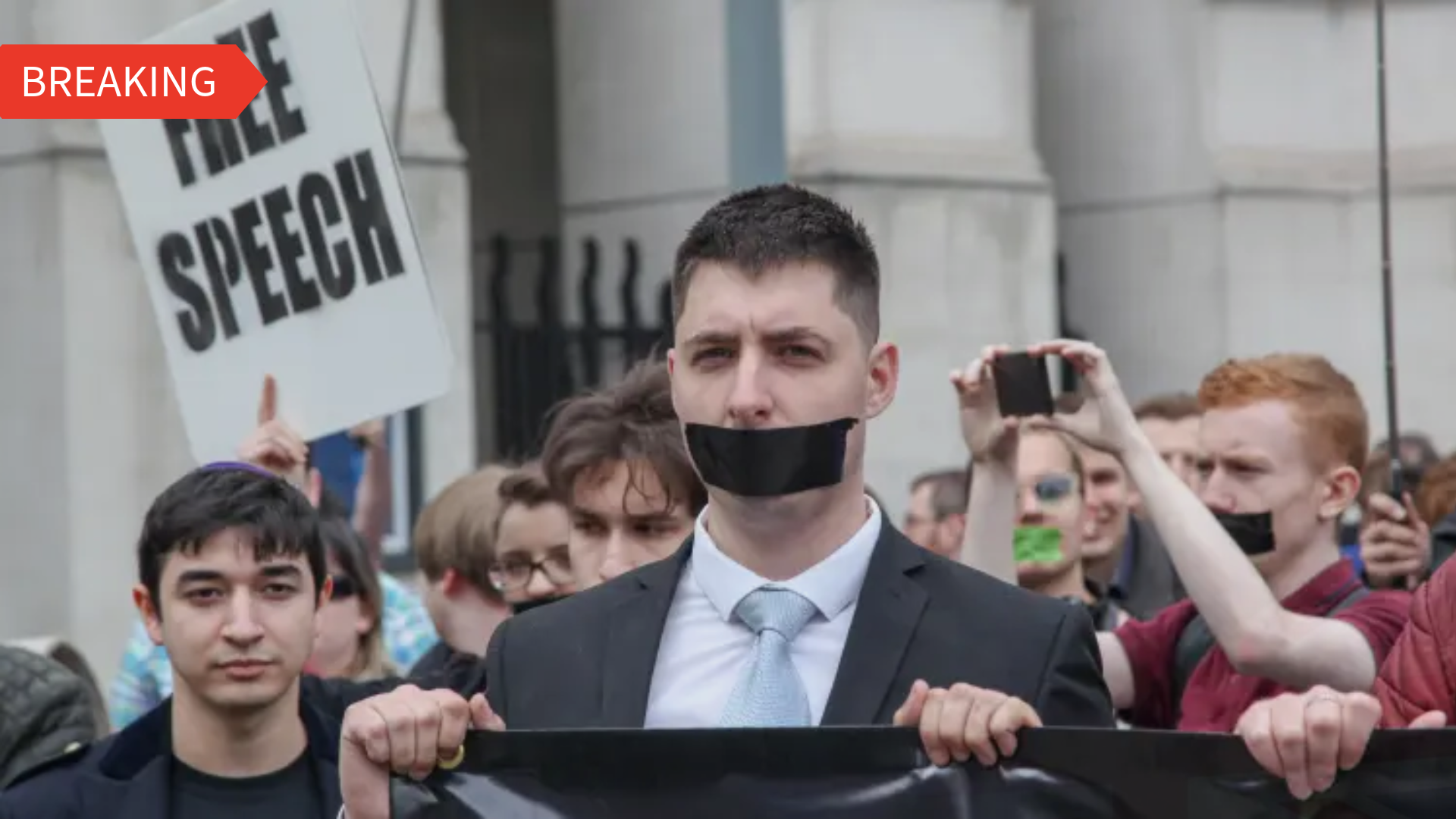
New Powers to Enforce Free Speech on Campus
Universities across England are facing a major shift in accountability as the Office for Students rolls out a new complaints system designed to protect freedom of speech.
Under the new framework, institutions that fail to uphold free expression, or are found to have unfairly restricted academic voices could face financial penalties and regulatory action.
The move marks one of the most direct interventions yet in the ongoing debate over speech, academic freedom, and institutional responsibility within higher education.
Education Secretary Bridget Phillipson has made the government’s position clear, warning that too many academics and students feel unable to speak openly.
She argued that universities must remain places where ideas can be challenged, debated, and tested, without fear of professional or social consequences.
The new system is intended to give individuals a direct route to raise complaints if they believe their right to free expression has been undermined.
The complaints mechanism allows students, academics, and visiting speakers to formally report incidents where they believe free speech has been restricted.
The Office for Students will then investigate cases and, where necessary, impose sanctions, including fines, on institutions found to be in breach of their duties.
Universities will also be required to demonstrate that they have clear policies in place to protect lawful speech and to handle disputes fairly.
Supporters say this creates a long-overdue layer of accountability.
The policy arrives amid growing concern about the climate within universities.
Critics argue that some institutions have become overly cautious, with speakers disinvited, events cancelled, or controversial viewpoints discouraged due to fears of backlash.

Others dispute this characterisation, arguing that universities remain spaces for robust debate and that restrictions are often imposed to prevent harm or ensure inclusivity.
This divide has turned free speech into one of the most contested issues in modern higher education.
Some commentators have gone further, warning that higher education risks becoming shaped by narrow ideological perspectives.
They argue that if certain viewpoints are marginalised, universities could fail in their role as centres of open inquiry.
However, many academics reject this claim, pointing to the diversity of research and debate across institutions and cautioning against oversimplifying complex issues.
For university leaders, the challenge is balancing competing responsibilities.
On one hand, they are expected to protect free expression and academic freedom. On the other hand, they must ensure campuses remain safe, inclusive environments for all students.
The new regulatory powers increase the stakes, making it clear that failing to strike that balance could now carry financial consequences.
For students and academics, the changes could represent a significant shift.
Those who feel their voices have been restricted now have a formal route to challenge decisions. At the same time, universities may become more cautious in how they manage events, speakers, and internal debates.
The introduction of fines signals a broader shift in how the government views universities’ role.
Rather than relying on institutions to self-regulate, there is now a clear move toward external oversight and enforcement.
As the new system takes effect, its impact will depend on how it is used and how universities respond.