Major De-escalation Sends Shockwaves Through Global Markets
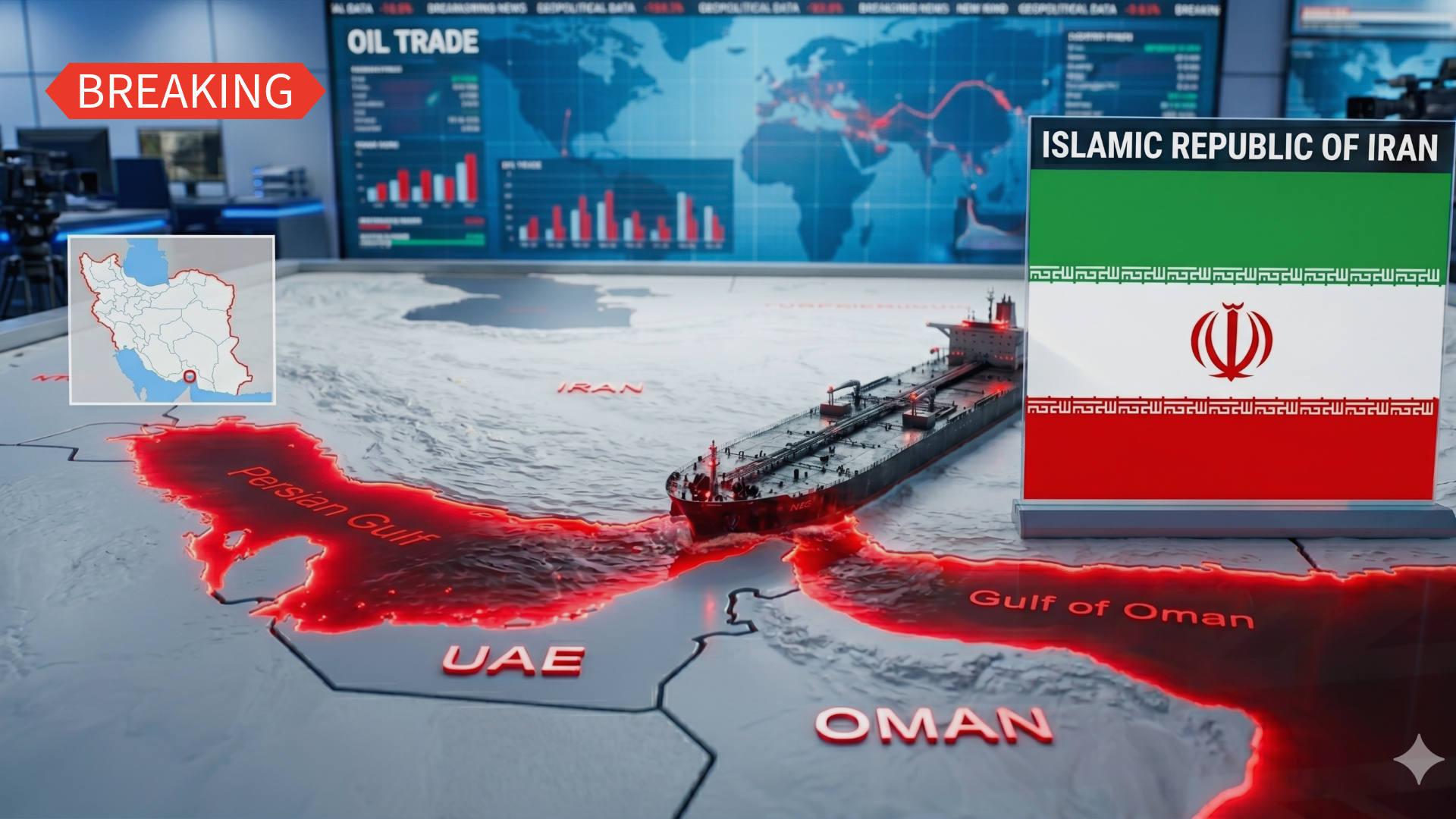
Global markets have reacted sharply after Iran moved to reopen the Strait of Hormuz to commercial shipping, ending nearly seven weeks of disruption that rattled energy supplies worldwide.
Oil prices plunged by more than 10% within hours of the announcement, marking one of the fastest market reversals in recent months. Stock markets across Europe, Asia, and the United States also surged as fears of prolonged supply constraints eased.
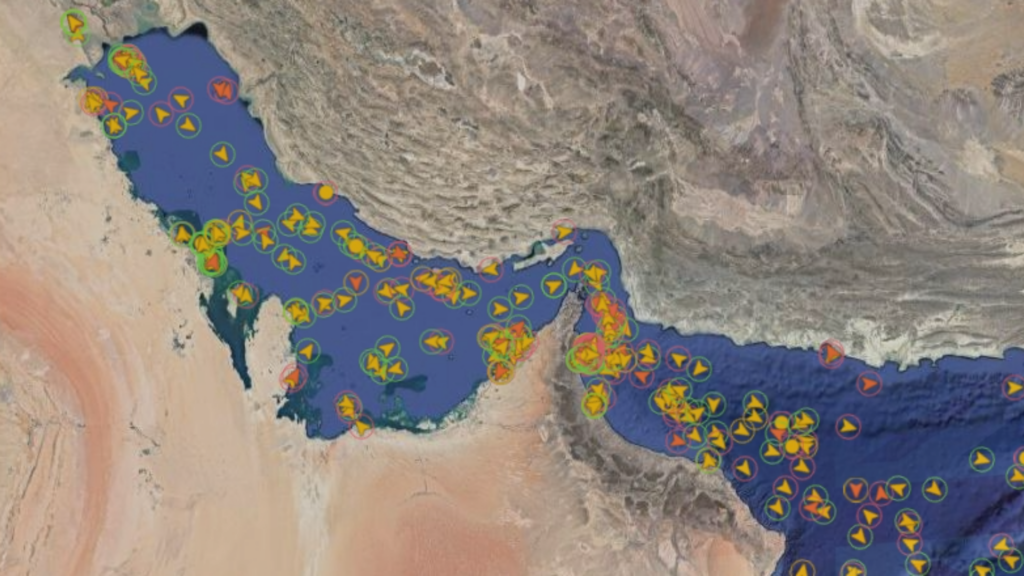
The strait, a narrow but critical waterway between Iran and Oman, carries roughly one-fifth of the world’s oil supply, making any disruption there a major global concern.
The reopening follows weeks of escalating tensions that saw commercial vessels avoid the route amid security concerns.
During the blockade, shipping insurers raised premiums sharply, and several major energy firms rerouted or delayed shipments, adding pressure to already volatile global energy markets.
With the route now open, tankers have begun moving again through the strait, offering immediate relief to global supply chains.
However, industry analysts warn that confidence may take time to fully recover.
Despite the move by Iran, the United States has confirmed that its naval blockade of Iranian ports remains in place.
Officials say the measures are part of broader efforts to maintain pressure amid ongoing regional tensions.
This creates a complex and fragile situation:
- The Strait is open to global shipping
- But restrictions on Iran itself remain
- And the risk of renewed escalation is still present
Iranian officials have made it clear that the reopening may not be permanent.
Tehran has warned that the strait could be closed again if external pressure continues, raising concerns about further instability.
This warning has injected a new layer of uncertainty into global markets, with traders now closely monitoring political developments alongside supply data.
The sharp fall in oil prices is already having ripple effects.
Lower energy costs could:
- Ease inflation pressures in major economies
- Reduce fuel and transport costs
- Provide short-term relief for consumers and businesses
However, economists caution that volatility remains high.
The recent spike and sudden drop highlight how quickly geopolitical events can reshape global economic conditions.
The reopening of the Strait of Hormuz represents a significant de-escalation, but not a resolution.
The underlying tensions that led to the disruption remain unresolved, and the situation could shift rapidly depending on political and military developments.
Markets may be reacting with optimism for now, but analysts say the stability is fragile.
For governments, businesses, and investors, attention is now firmly on what comes next.
Will the reopening hold?
Or is this just a temporary pause in a larger geopolitical conflict?
For the global economy, the reopening of one of the world’s most important oil routes offers immediate relief.
But with warnings still being issued and tensions far from settled, the situation remains highly unpredictable.