
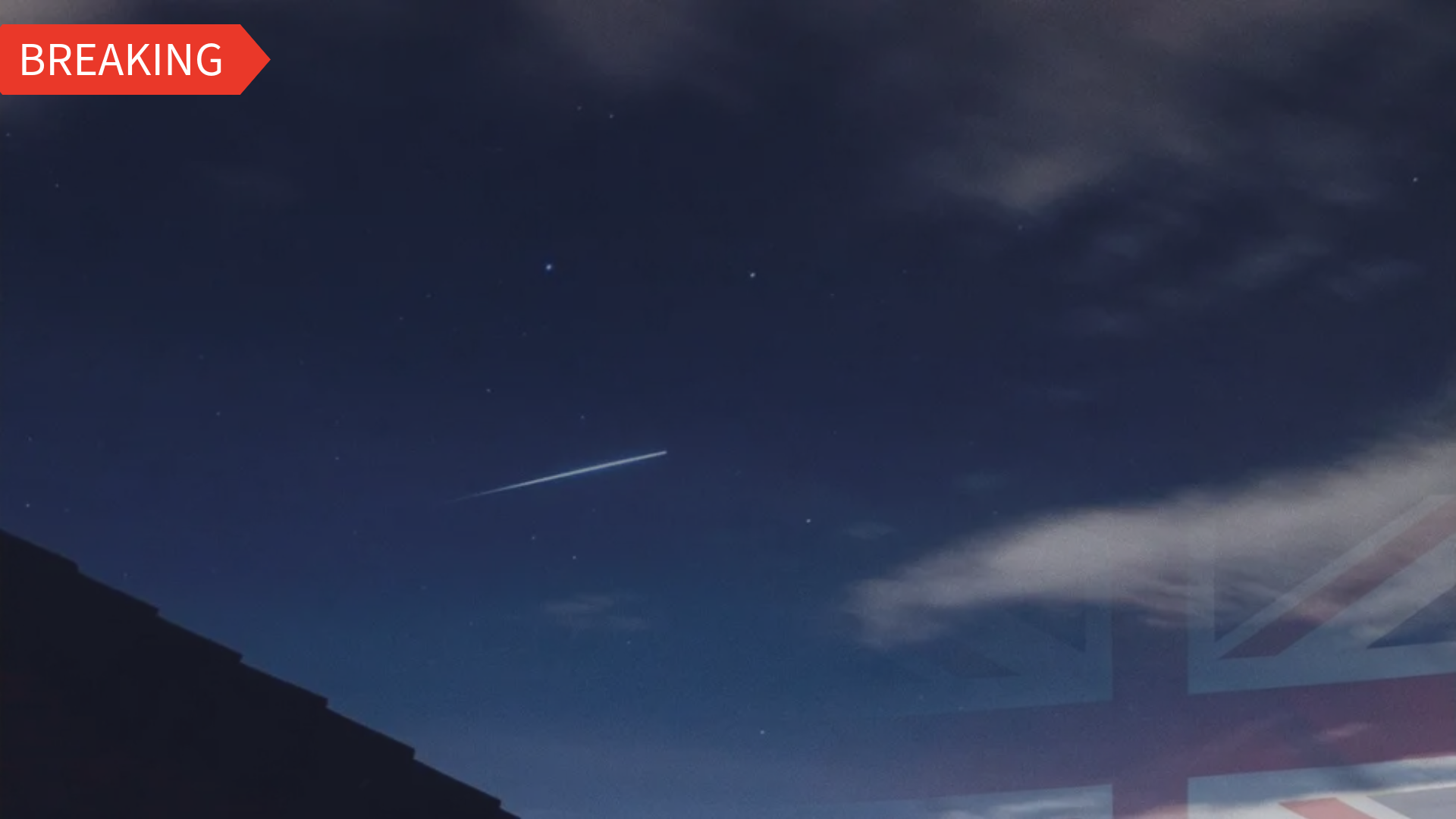
Ancient Meteor Shower Returns to UK Skies
Skywatchers across the UK are being encouraged to look up this week as one of the oldest known meteor showers prepares to light up the night sky. Here’s when and how to watch it.
The Lyrid meteor shower, which has been observed for more than 2,500 years, is set to be visible from mid-April, with peak activity expected in the coming days.
Astronomers say the event is one of the longest-recorded celestial displays, with documented sightings dating back to 687 BC, making it the oldest known meteor shower still visible today.
When and Where to Watch
The meteor shower is active from April 16 to April 30, but the best chance to see it will be during its peak around April 21–22, when conditions are most favourable.
During peak hours, observers may see up to 15–20 meteors per hour, although occasional bursts can produce even higher numbers.
The meteors will appear to radiate from the constellation Lyra, near the bright star Vega, but can be seen across the entire sky.
Experts recommend:
- Watching in the early hours before dawn
- Moving away from city lights
- Allowing your eyes time to adjust to the dark
What Causes the Lyrid Meteor Shower
Meteor showers occur when Earth passes through streams of debris left behind by comets.
In the case of the Lyrids, the display is caused by particles from Comet Thatcher, a long-period comet that orbits the sun roughly every 400 years.
As these tiny fragments enter Earth’s atmosphere at high speed, they burn up, creating bright streaks of light commonly known as “shooting stars.”
Many of these meteors are no larger than grains of sand, but they can still produce vivid trails visible from the ground.
What Makes This Shower Special
While not the most intense meteor shower of the year, the Lyrids are known for their fast, bright meteors and occasional fireballs, larger bursts of light that can briefly illuminate the sky.
They are also unpredictable. Some years produce modest displays, while others have seen sudden surges with dozens of meteors appearing in a short period.
This element of surprise is part of what continues to draw stargazers year after year.
Best Viewing Conditions Across the UK
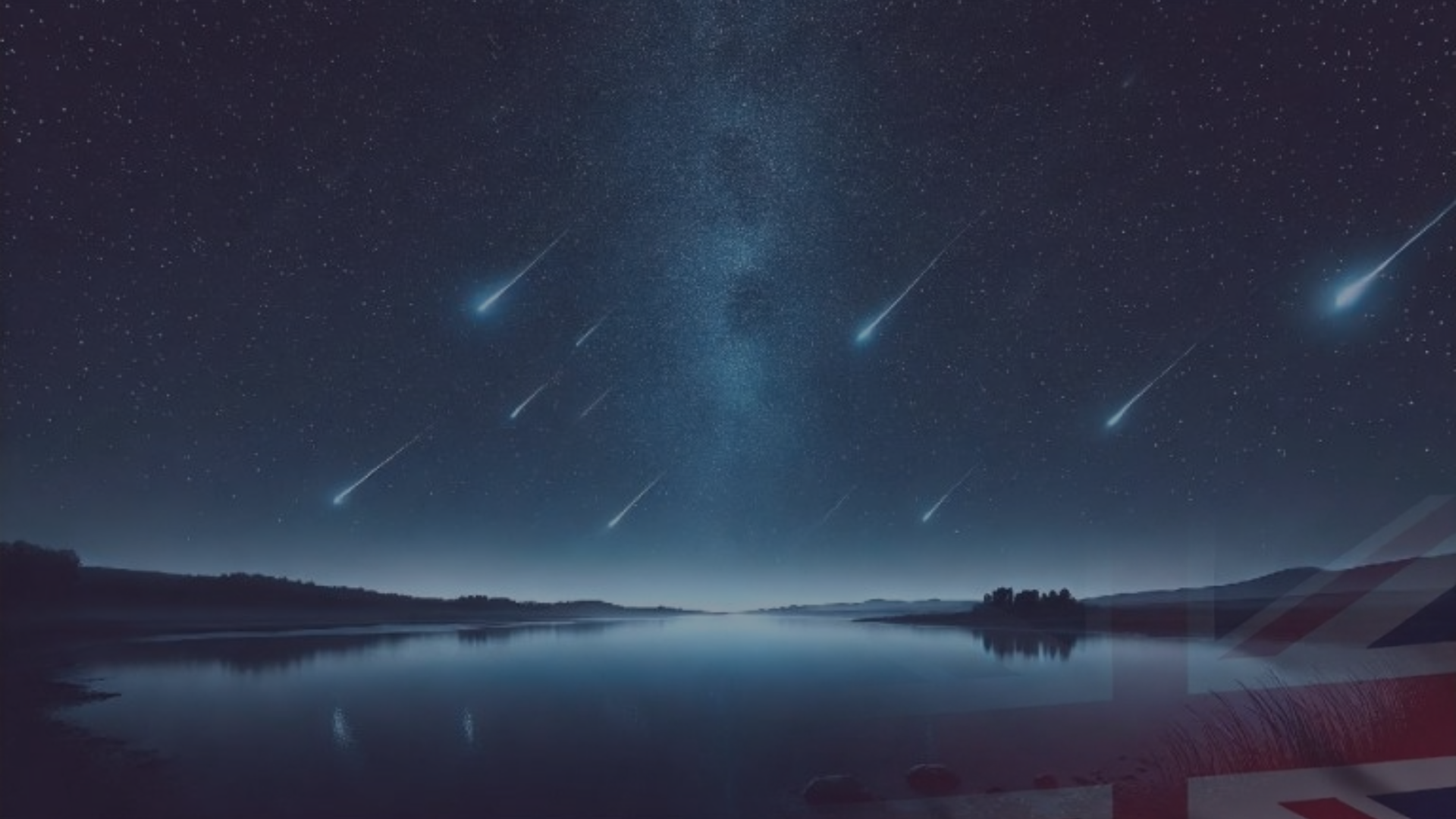
Weather and light pollution will play a major role in how visible the meteor shower is.
Clear skies and darker locations, such as rural areas, coastal regions, or elevated ground, offer the best chance of seeing the display.
Even in less-than-perfect conditions, experts say patience is key.
No special equipment is needed. just a clear view of the sky and time to watch.
A Moment to Look Up
In a week dominated by worrisome global headlines, the return of one of the oldest known meteor showers offers something different. A rare chance to pause and watch a natural spectacle that has been lighting up the skies for thousands of years.
And for those willing to stay up late or wake early… The show may be worth it.