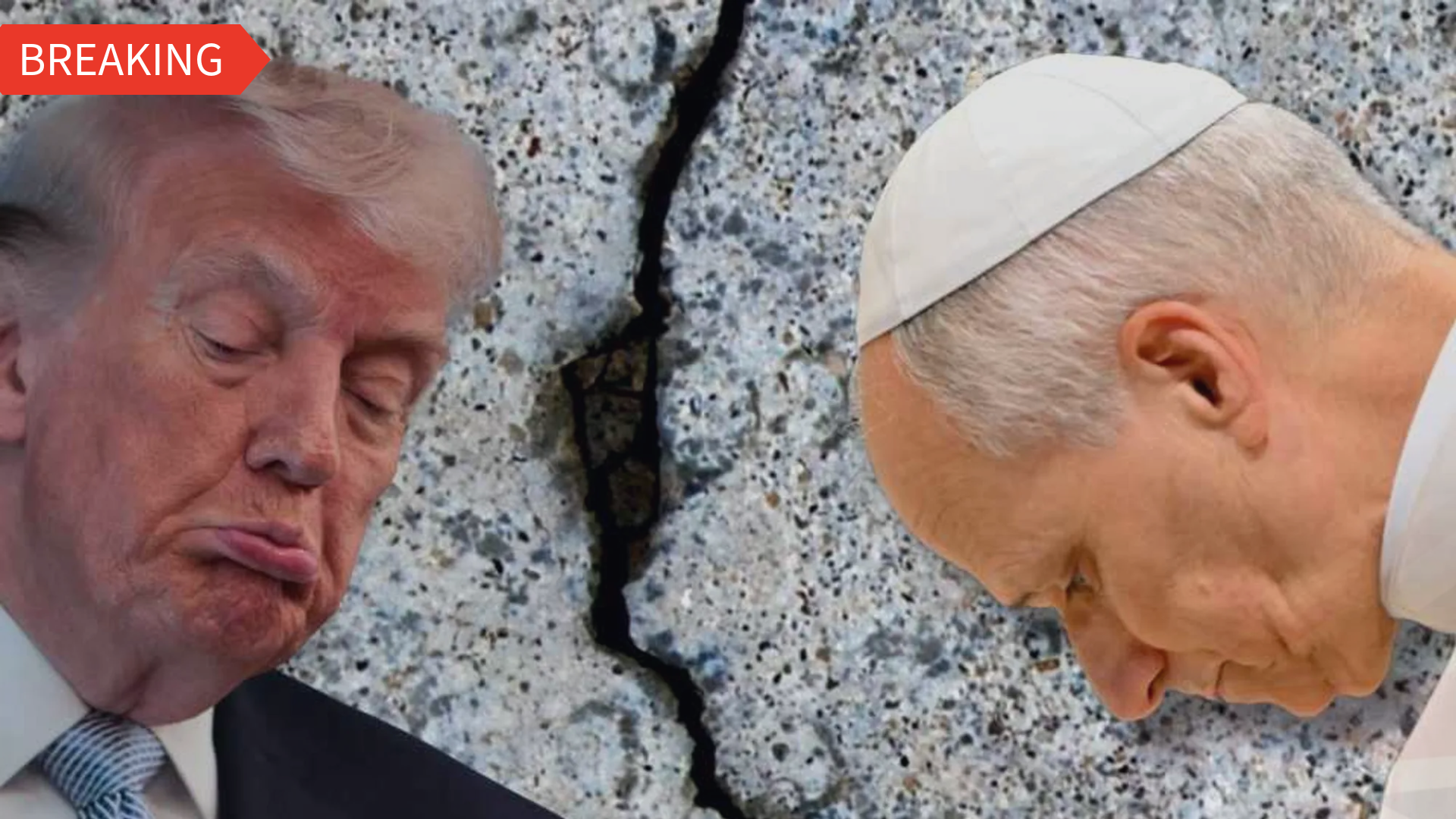
War of Words Deepens Between Political and Religious Leaders
Tensions rise between US President Donald Trump and Pope Leo XIV, drawing global attention as both figures exchange sharp criticism over war, leadership, and moral authority.
The latest escalation follows comments made by Trump criticising the Pope’s stance on international conflict, particularly his calls for peace amid rising tensions in the Middle East.
Trump described the pontiff as “weak on crime” and “terrible for foreign policy,” and has refused to apologise, despite backlash from religious groups and political observers.
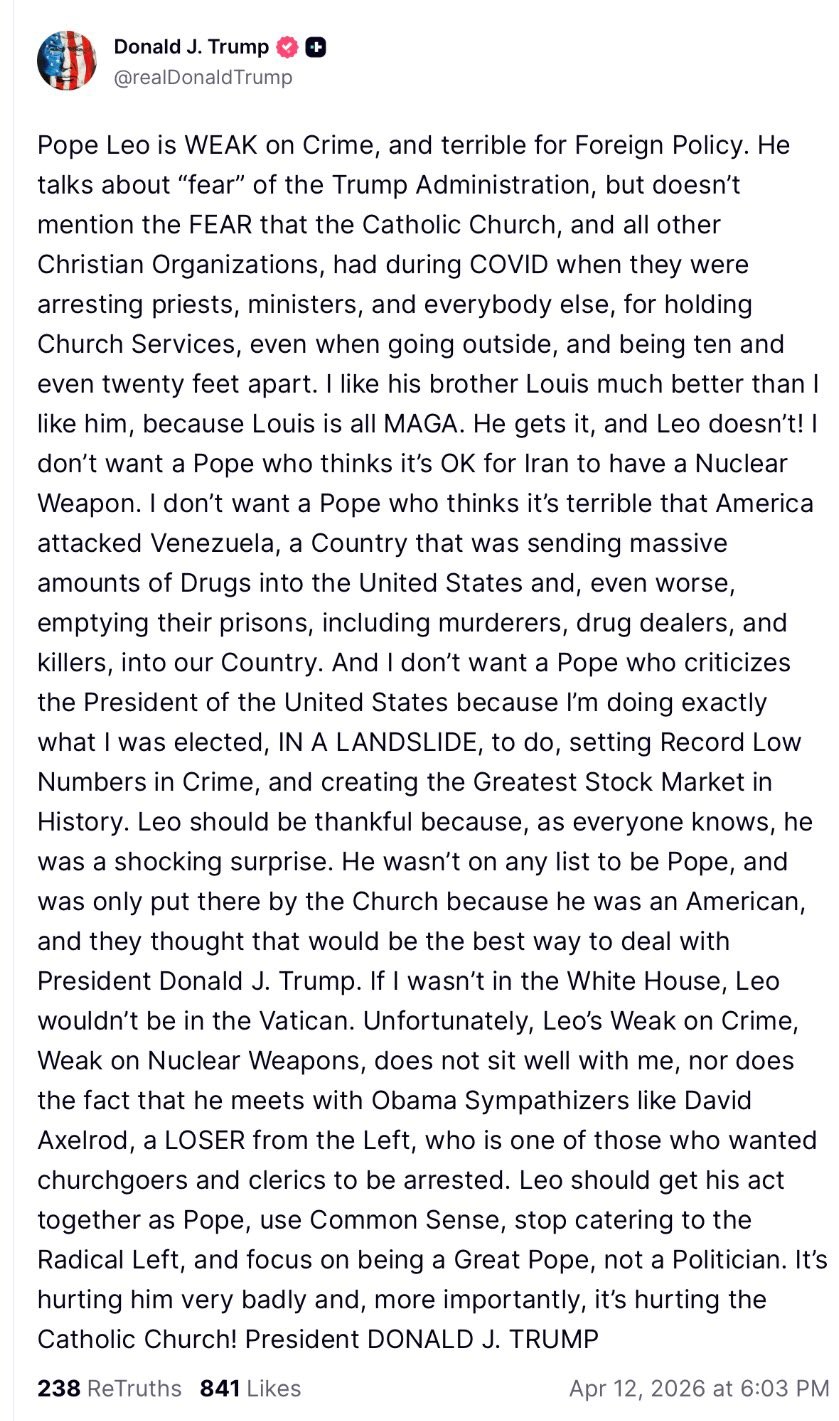
The situation has been further complicated by reports that the United States is moving to cut certain funding streams linked to the Vatican, and many Catholic Charities, a move seen by analysts as adding a diplomatic dimension to what had previously been a rhetorical dispute.
While details of the funding changes remain limited, experts say the decision could signal a deeper breakdown in relations between the political leadership in Washington and the Catholic Church’s global leadership.
Trump has also made controversial remarks suggesting that his presidency played a role in the Pope’s rise, stating that without his leadership, “Leo wouldn’t be in the Vatican.”
The comments have been widely criticised, with some describing them as politically charged and historically questionable.
Adding to the controversy, Trump shared an AI-generated image depicting himself as Jesus Christ, which has drawn strong reactions from Catholic communities and commentators, many of whom view such imagery as inappropriate.
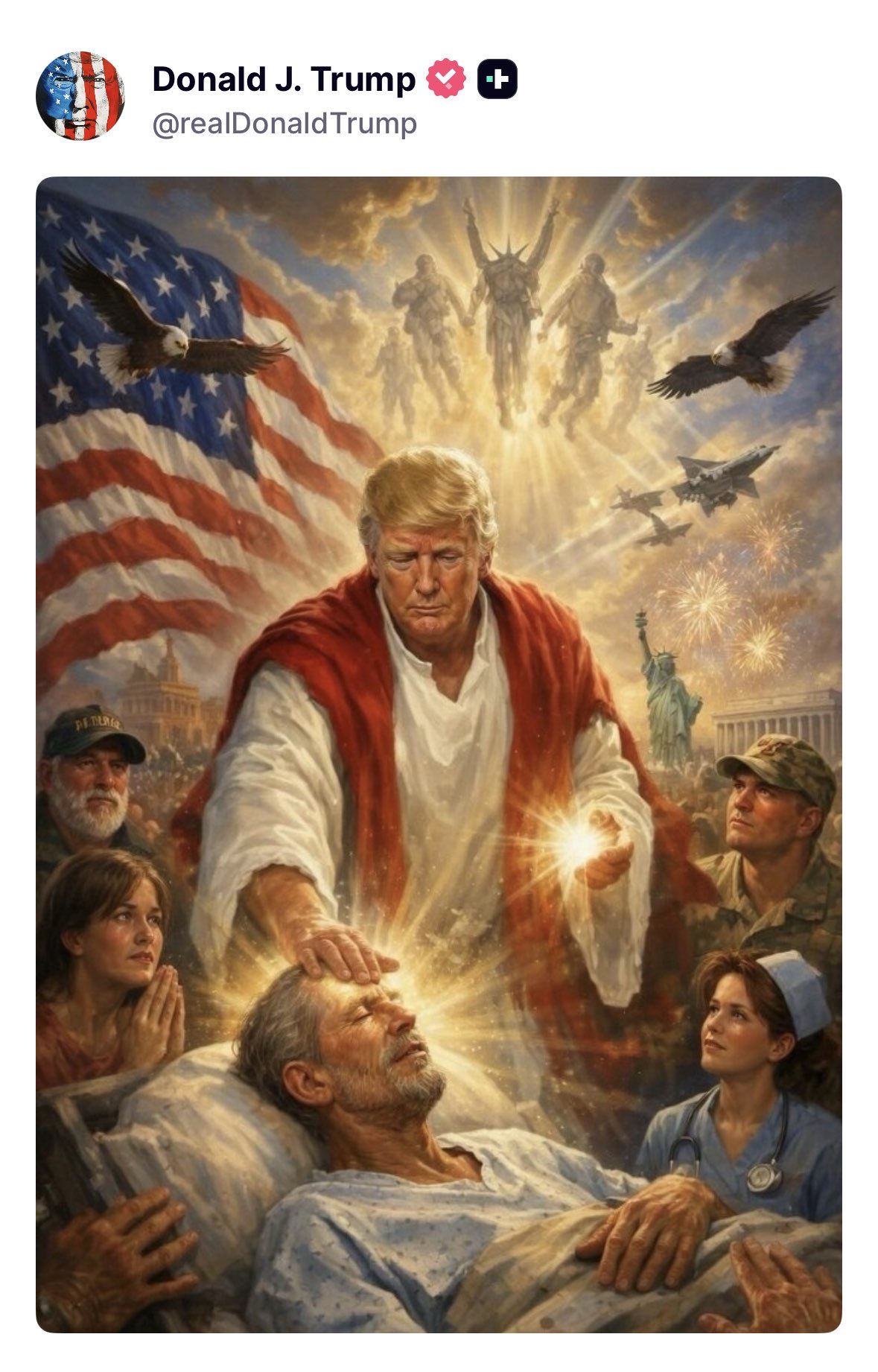
He, however, later disclosed to reporters at the White House that the picture was meant to depict him as a doctor and not in the religious context that several media outlets portrayed it to mean.
Meanwhile, the Pope, currently on an official visit to Africa, has responded by reinforcing his stance on peace and moral responsibility.
Speaking to journalists, he said he had “no fear” of political pressure and emphasised that leaders who support war must consider its human cost.
His comments, including references to the consequences of conflict, have been interpreted as a direct response to recent global tensions and criticism from political figures.
The dispute appears to be resonating beyond political circles, with reports suggesting divisions among voters, including within Catholic communities.
Some supporters of the Pope have praised his consistent message on peace and humanitarian concerns, while others argue that religious leaders should avoid direct involvement in political debates.
The situation also raises broader questions about the relationship between political authority and religious influence in shaping public discourse.
Public disagreements between senior political leaders and heads of major religious institutions are relatively rare, particularly at this level of intensity.
Analysts say the ongoing exchange reflects deeper tensions around global conflict, moral leadership, and the role of institutions in influencing international policy.
With neither side showing signs of stepping back, the dispute is likely to continue attracting attention in the coming days.
Observers say the impact could extend beyond rhetoric, potentially influencing diplomatic relations, public opinion, and broader debates around war and leadership.
For now, the situation remains fluid and closely watched around the world.