Fatal Attempt to Board Small Boat Ends in Tragedy
A Sudanese man has been arrested after four people have died during a dangerous attempt to cross the English Channel.
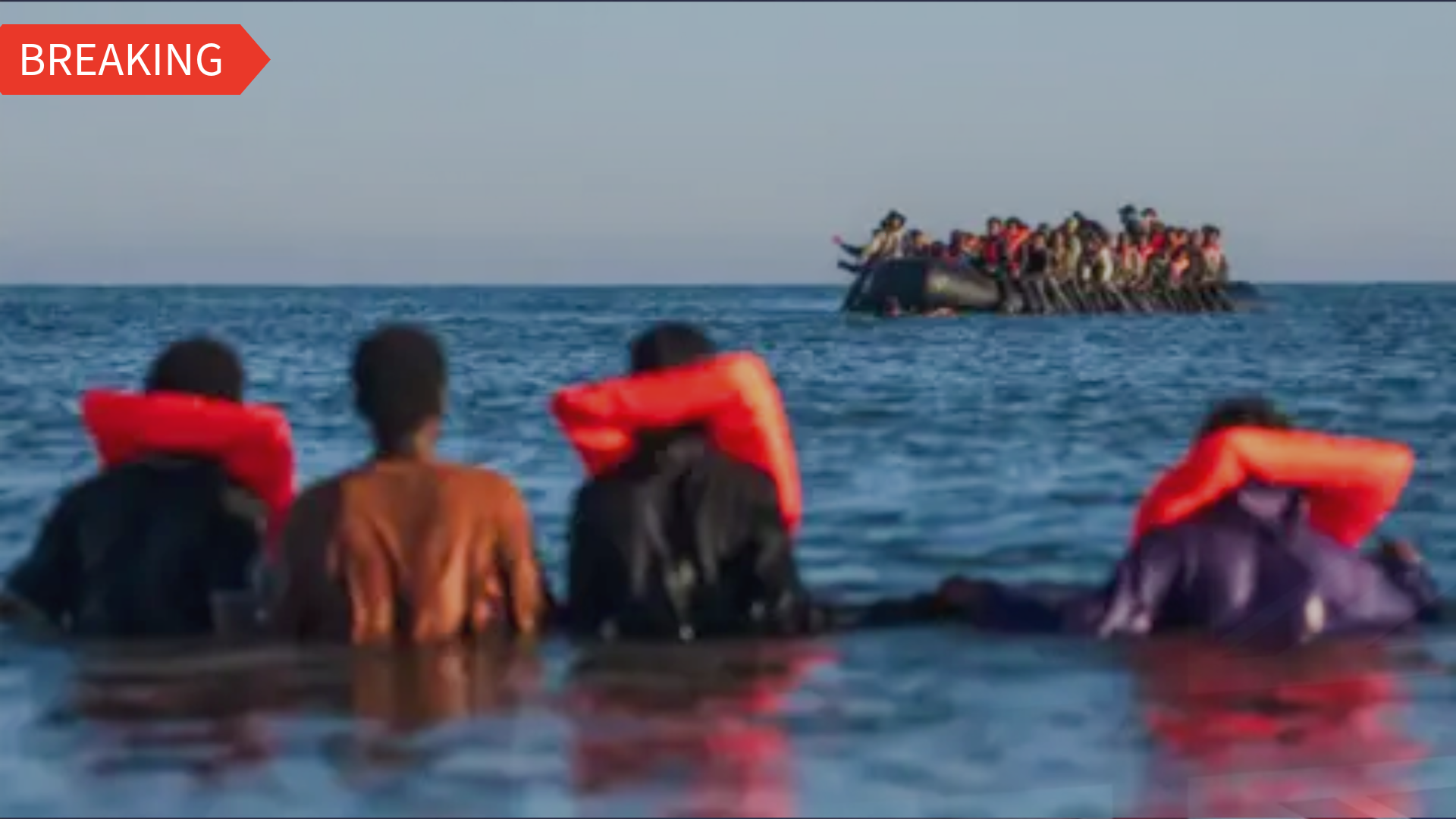
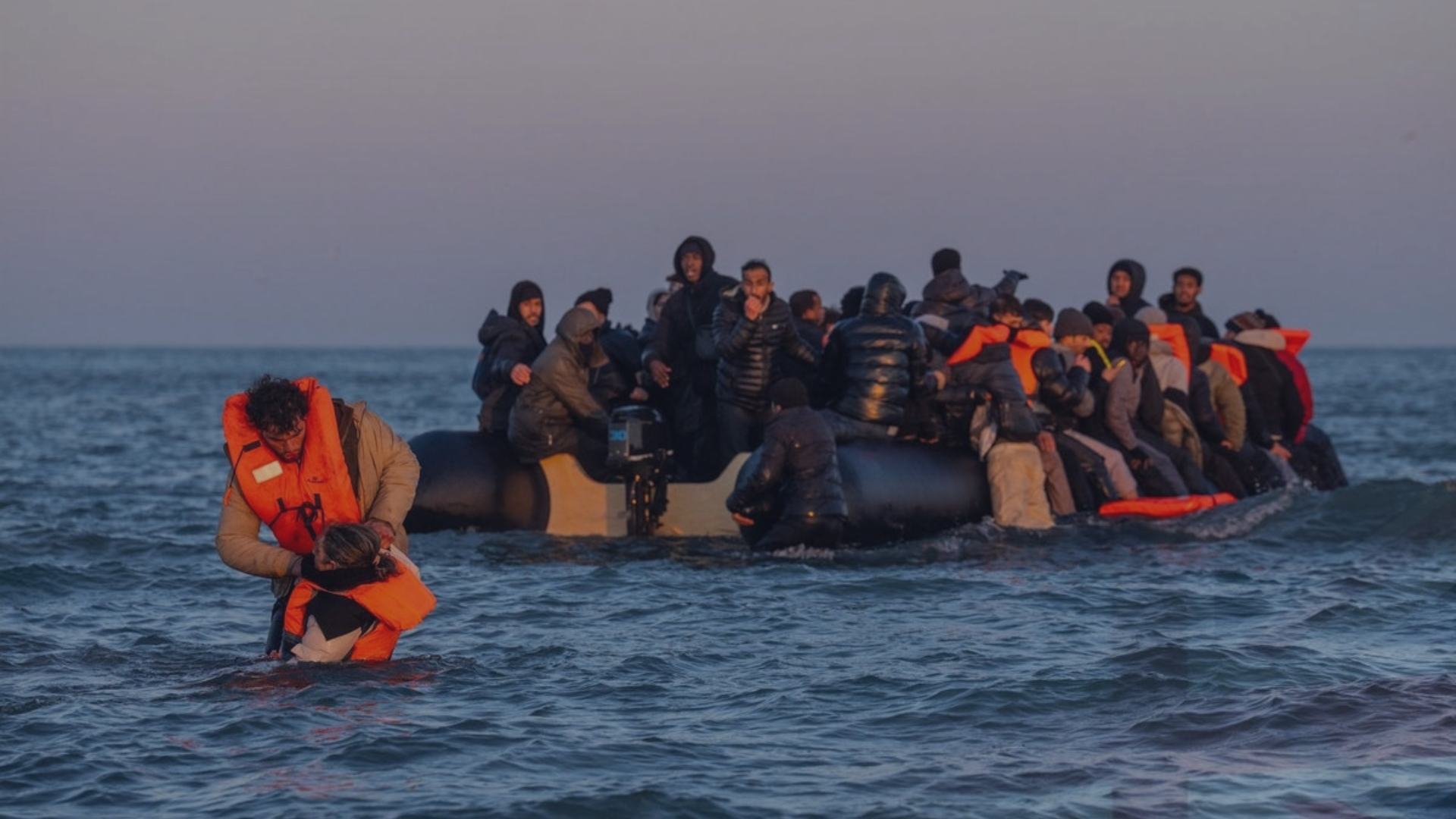
The victims, two men and two women, were swept away by strong currents while trying to board a small inflatable boat off the northern coast of France, near Calais.
The crossing attempt took place in the early hours, with dozens of migrants gathered along the shoreline waiting to board what officials described as a “taxi-boat”, a type of vessel increasingly used by smuggling networks.
The National Crime Agency has arrested a 27-year-old Sudanese man on suspicion of “endangering another during a journey by sea to the UK.” Authorities believe he may have been involved in piloting or organising the crossing, although investigations are ongoing.
The suspect was detained at a migrant processing centre in Manston, Kent, shortly after arriving in the UK.
He is now facing serious charges under new UK legislation designed to crack down on dangerous small-boat crossings and the criminal networks behind them.
According to officials, the group attempted to reach the vessel by wading into the sea, an increasingly common but highly risky method.
Strong currents quickly turned the situation deadly.
Some migrants were rescued, with around 38 people returned to France, while more than 70 others continued the journey towards the UK.
Emergency services responded, but the four victims could not be saved.
French authorities have launched their own investigation into how the crossing was organised and why such dangerous conditions were allowed.
The tragedy highlights a growing shift in how people-smuggling operations are being carried out.
Rather than launching boats directly from beaches, smugglers are increasingly using so-called “taxi-boats” that move along the coastline, picking up migrants already in the water.
Experts say this tactic is designed to evade police patrols but significantly increases the risk to those attempting the crossing.
Crossings of the English Channel in small boats have risen sharply in recent years, with thousands attempting the journey despite the risks.
Since 2018, more than 190,000 people have crossed the Channel this way, with over 130 confirmed deaths linked to the route.
The journey, often made in overcrowded and unseaworthy vessels, remains one of the most dangerous migration routes in Europe.
The incident has once again raised questions about border enforcement, international cooperation, and the effectiveness of measures to stop dangerous crossings.
UK authorities say they are committed to dismantling smuggling networks and preventing further loss of life.
But humanitarian groups argue that increasingly strict enforcement has pushed migrants toward even riskier methods.
As investigations continue on both sides of the Channel, the focus remains on accountability and prevention.