
Undercover Probe Reveals Coaching, Fake Evidence, and Paid Claims
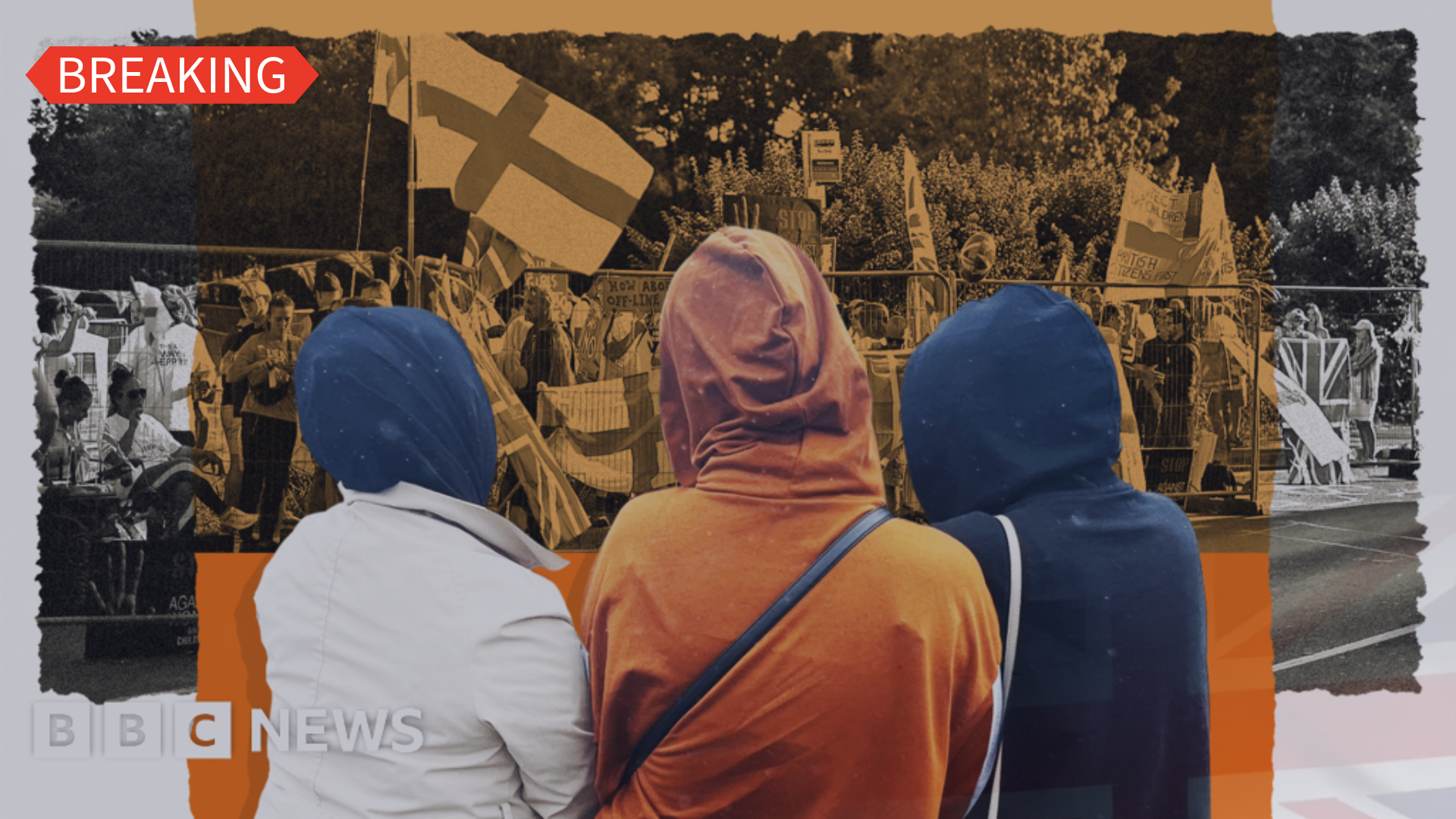
A major undercover investigation by BBC News has exposed what officials and experts are describing as a growing “fake asylum industry” operating within the UK.
The investigation found that some legal advisers and intermediaries are charging thousands of pounds to help migrants fabricate asylum claims, often by inventing personal stories, staging evidence, and coaching applicants through interviews.
In several cases, migrants whose visas had expired were reportedly encouraged to claim asylum based on sexuality or religious persecution, despite having no genuine grounds.
According to the investigation, some advisers charged fees of up to £7,000 while promising a high chance of success.
Undercover reporters posing as migrants were given detailed instructions on how to construct believable but false claims.
This included:
- Memorising fabricated personal histories
- Attending events to create photographic “evidence”
- Obtaining supporting letters from organisations
- Visiting doctors to secure medical records to strengthen claims
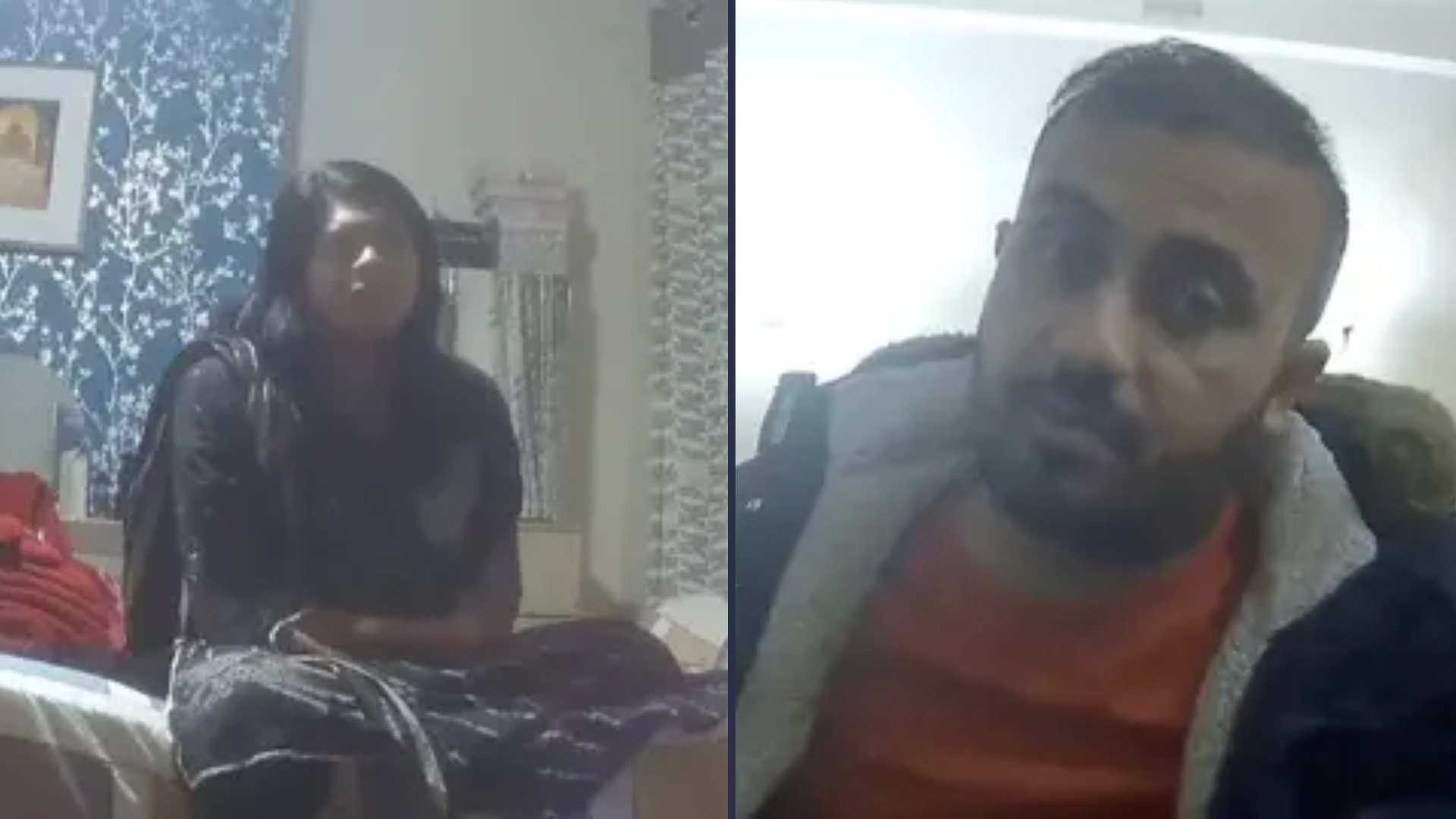
In one case, an adviser suggested creating evidence of same-sex relationships, including staged photographs and written testimonies.
There were also claims that individuals could later bring partners into the UK and submit similar fabricated applications.
Experts say this level of preparation makes fraudulent claims harder to detect, as applicants are trained to appear consistent and credible during lengthy Home Office interviews.
The revelations come amid rising pressure on the UK asylum system.
Government data shows that more than 100,000 asylum applications were made in 2025, with a significant proportion coming from individuals already in the country on expired visas.
While it is not known how many claims are fraudulent, the investigation suggests that organised networks may be exploiting vulnerabilities in the system for profit.
An immigration expert told the BBC that such practices make it “harder for legitimate asylum seekers,” particularly in cases where claims rely on personal testimony rather than physical evidence.
The findings have triggered strong political reactions.
Some MPs have described the revelations as “shocking” and called for immediate action against those facilitating fraudulent claims.
There are growing calls for:
- Stricter regulation of immigration advisers
- Increased enforcement against fraud networks
- Faster processing systems to identify inconsistencies
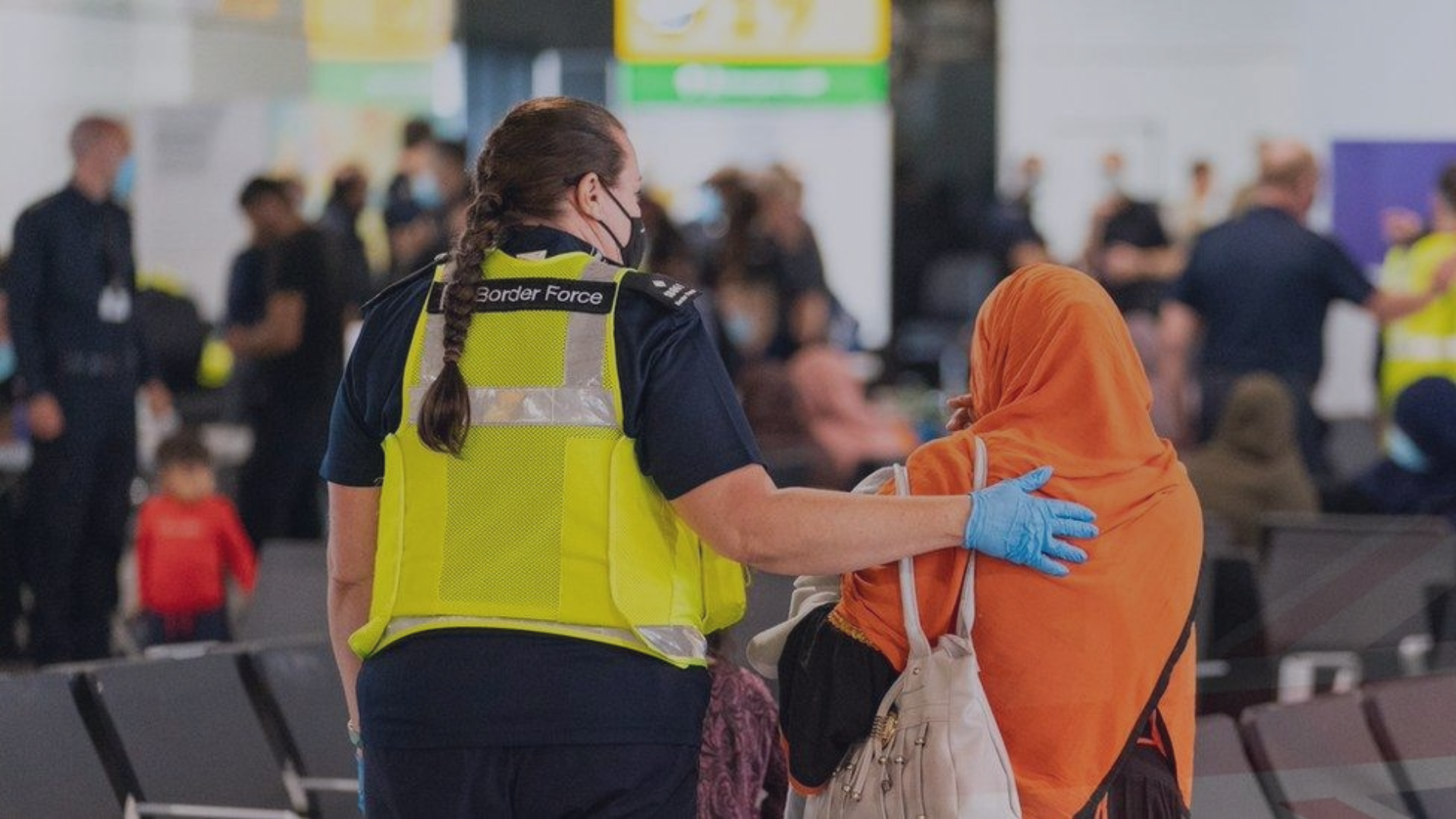
The UK government has said that abusing the asylum system is a criminal offence and that individuals found to be making false claims could face prosecution and removal from the country.
One of the most significant concerns raised by the investigation is the potential impact on genuine asylum seekers.
The UK asylum system is designed to protect individuals fleeing persecution, including those at risk due to their sexuality, religion, or political beliefs.
However, experts warn that fraudulent claims risk undermining public trust and could lead to stricter policies that affect those with legitimate needs.
The investigation paints a picture of a system facing multiple pressures, rising demand, complex verification challenges, and the emergence of organised exploitation.
While authorities insist that safeguards are in place, the findings suggest that gaps remain.