Landmark Progress in Global Health
The World Health Organization has announced a major milestone in global health, approving the first-ever malaria treatment specifically designed for newborns and infants.
The development is being hailed as a breakthrough in the fight against one of the world’s deadliest diseases, particularly for young children who are most vulnerable to severe infection.
Health experts say the treatment could significantly reduce infant mortality rates in regions where malaria remains widespread.
Malaria continues to disproportionately affect children under five, especially in parts of Africa and South Asia.
Until now, treatment options for newborns have been limited, leaving a critical gap in early-life care.
The newly approved treatment aims to close that gap, offering safer and more targeted care for infants during their most vulnerable stages.
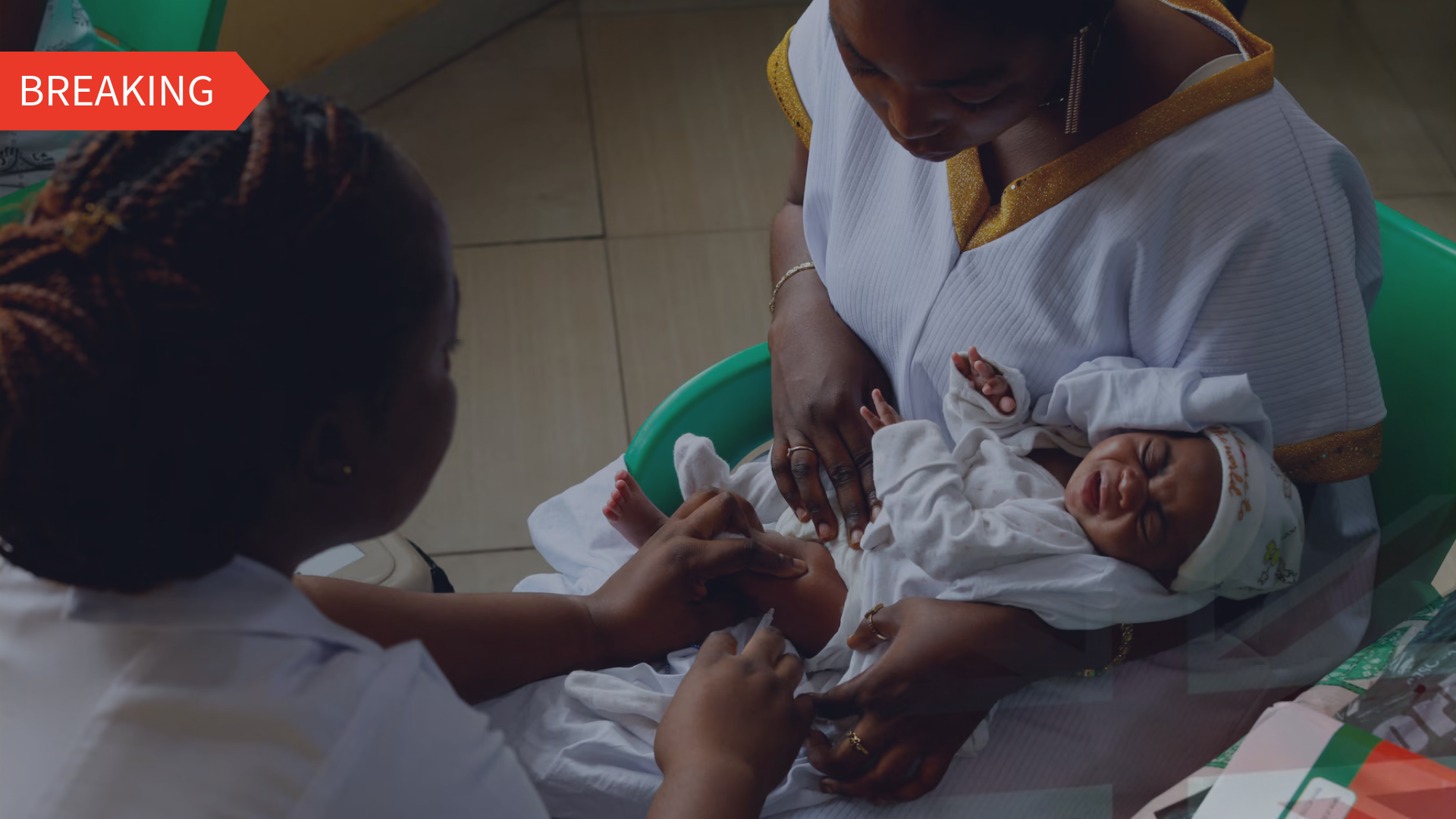
Alongside the treatment breakthrough, the World Health Organization confirmed that more than 100 million childhood vaccinations have been delivered as part of a global catch-up campaign.
The initiative was launched to address immunisation gaps created during recent global disruptions, ensuring children receive protection against preventable diseases.
The scale of the campaign marks one of the largest coordinated vaccination efforts in recent years.
Health officials credit the progress to coordinated international efforts involving governments, aid organisations, and healthcare workers on the ground.
In many countries, local teams have worked to reach remote communities, improve access to healthcare services, and rebuild trust in vaccination programmes.
These efforts have been particularly critical in regions with limited healthcare infrastructure.
Countries with high malaria burden stand to benefit the most from the new treatment.
In parts of sub-Saharan Africa, malaria remains a leading cause of death among young children, while in South Asia, seasonal outbreaks continue to strain healthcare systems.
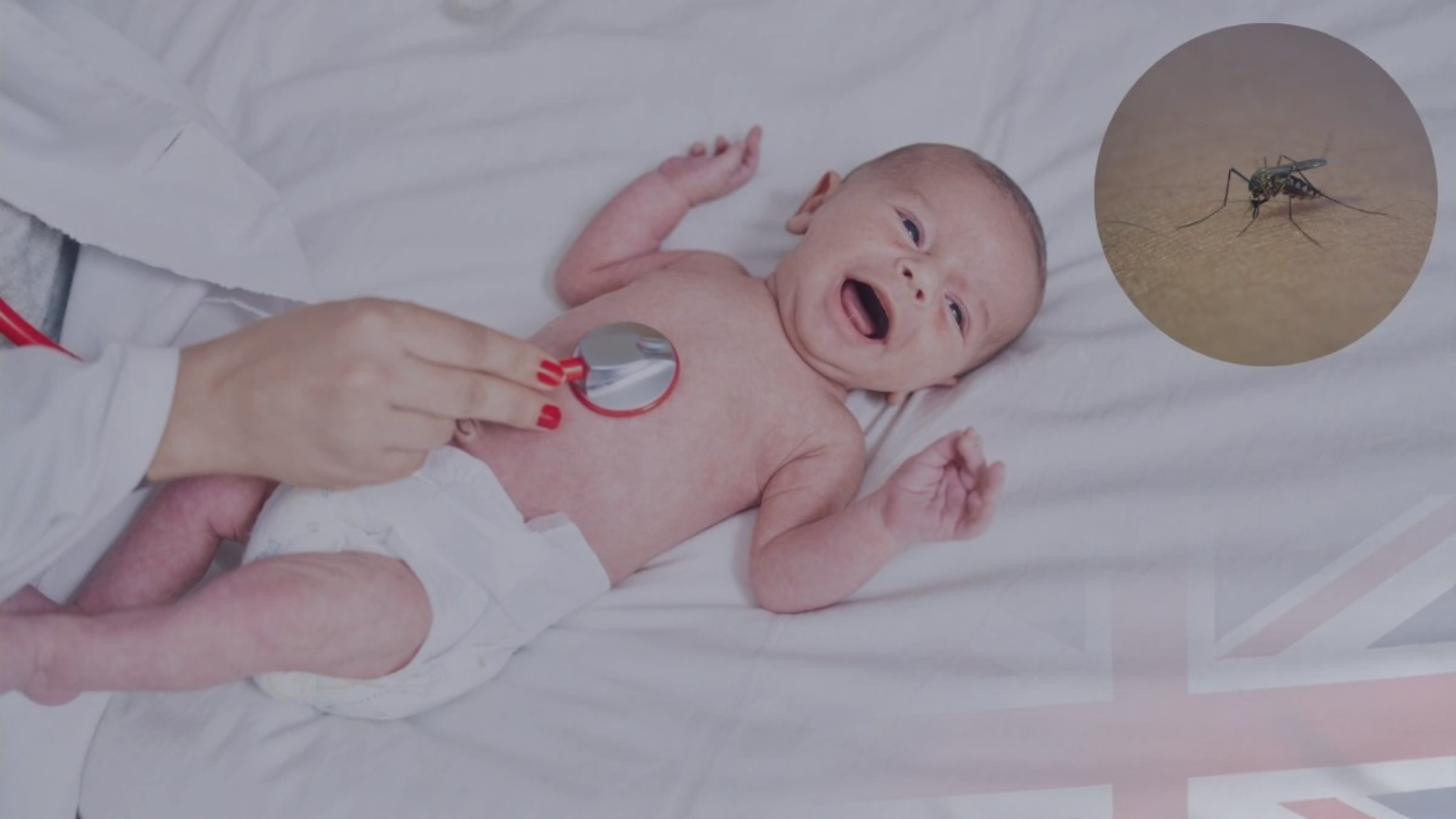
The combined effect of improved treatment and expanded vaccination coverage could help ease that burden over time.
The announcement comes at a time when global health systems have faced significant challenges, making the progress particularly notable.
Experts say the dual achievement, advancing treatment while expanding prevention, represents a more comprehensive approach to tackling major health threats.
The focus now turns to distribution and implementation. Ensuring that the new malaria treatment reaches those who need it most will be key, alongside maintaining momentum in vaccination programmes.
For millions of families around the world, the developments represent more than statistics.
They offer a tangible step toward reducing preventable illness and saving young lives, marking one of the most hopeful global health stories in recent months.