A Changing Political Map
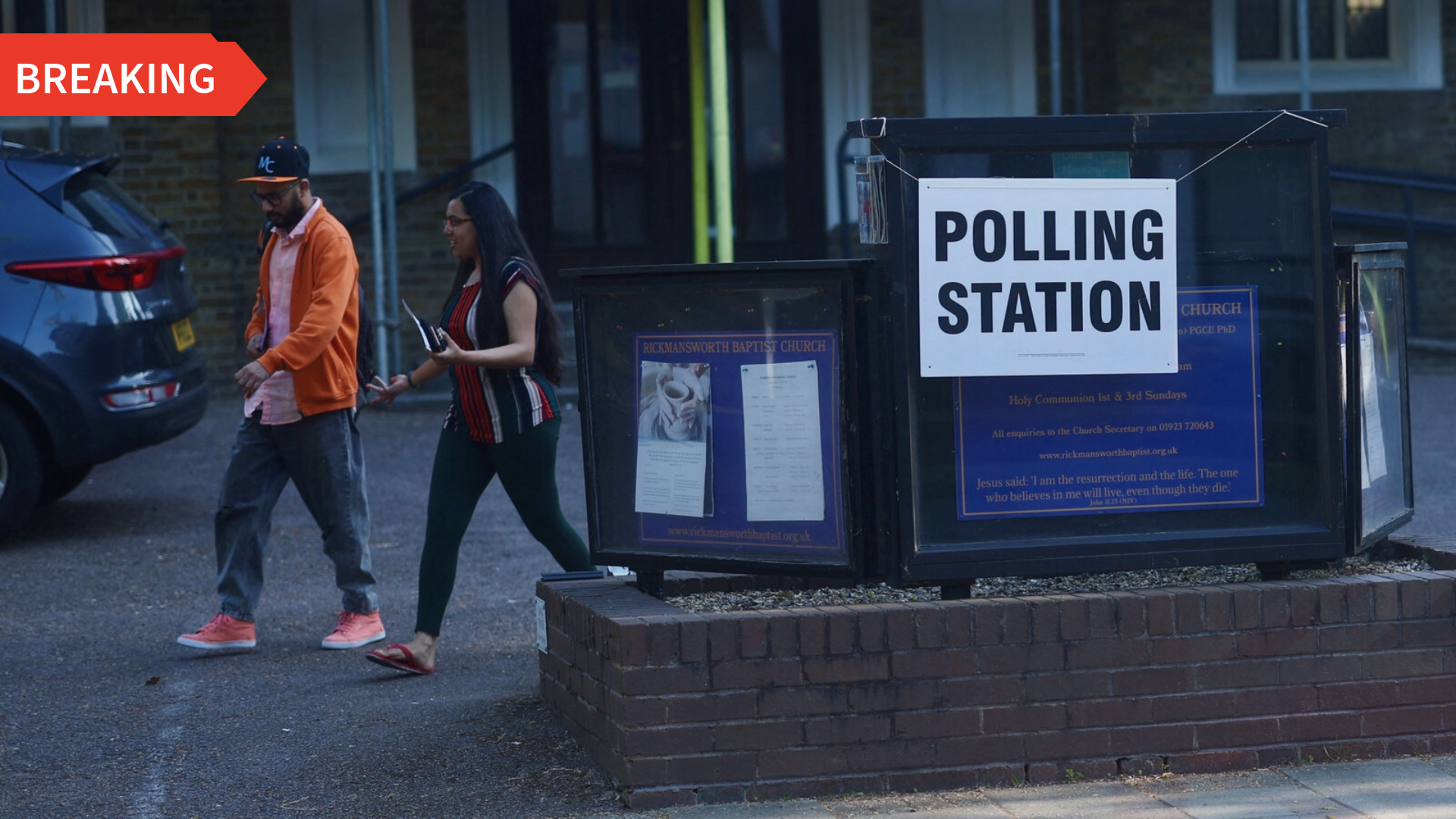
Local elections across United Kingdom are expected to produce significant changes in council control, with early indicators suggesting both major parties could face notable losses.
Analysts say the contests are shaping up to be some of the most unpredictable in recent years, with voters increasingly moving away from traditional party loyalties at the local level.
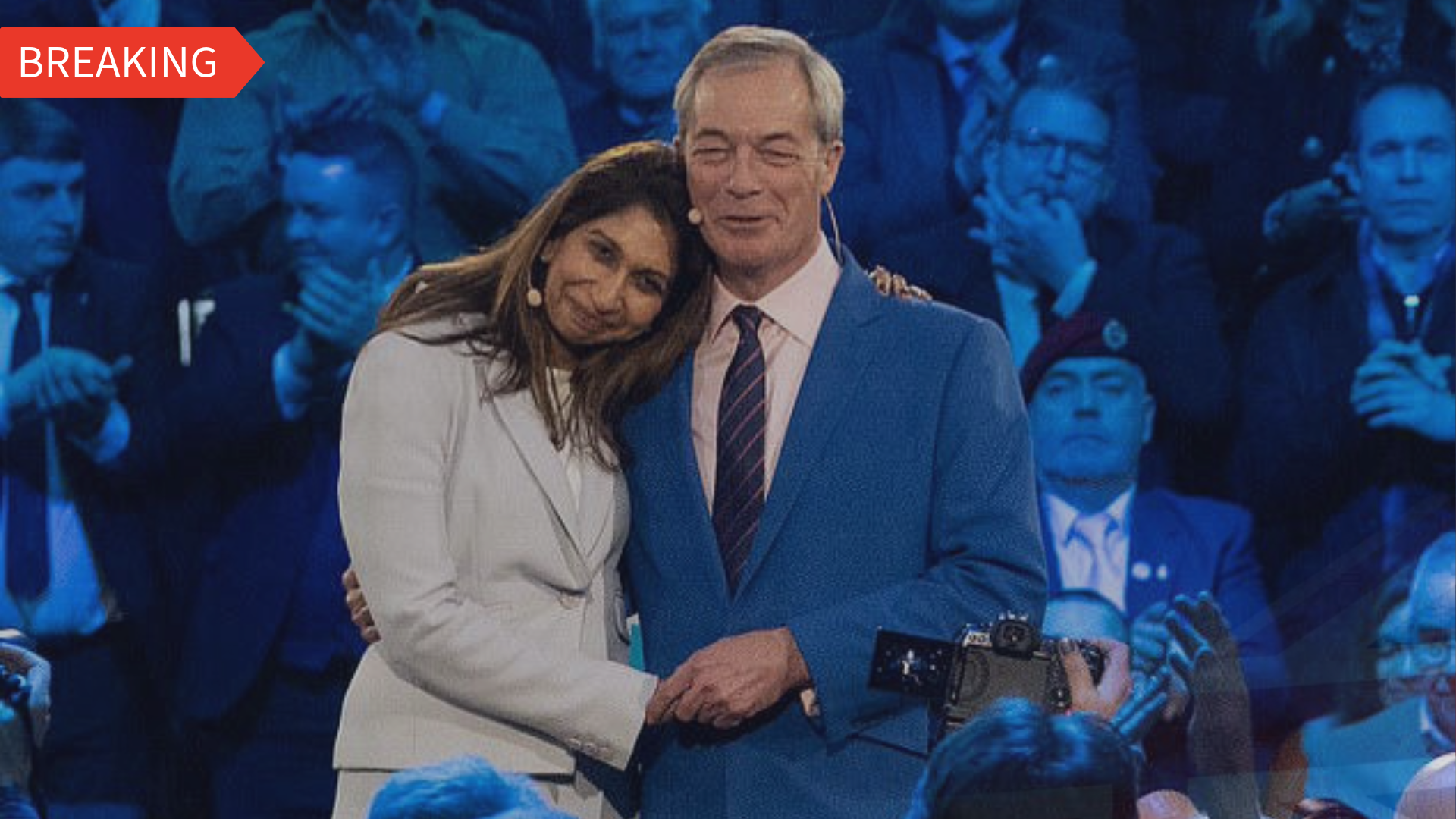
Smaller parties, including Reform UK and the Greens, are widely seen as potential beneficiaries of this shift.
Both Labour and the Conservatives are facing mounting pressure across a range of councils.
While national polling remains a factor, local elections are often driven by issues closer to home—where dissatisfaction can manifest more sharply.
Observers suggest that voters are becoming more willing to split their choices between national and local levels, leading to a more fragmented electoral landscape.
Several areas are being closely watched as potential flashpoints.
In parts of London, changing demographics and policy debates are creating openings for smaller parties to gain traction in borough-level contests.
Meanwhile, in northern towns such as Sunderland, long-standing political alignments are being tested as voters reassess their options.
Boroughs like Barking and Islington are also being highlighted as areas where results could signal wider national trends.
At the heart of the shift are a set of issues that are felt most strongly at the community level.
Housing availability and affordability remain a central concern in many urban areas, while pressures on public services, from healthcare access to local infrastructure, continue to shape public opinion.
Migration and population changes are also influencing debates in some areas, alongside the ongoing impact of the cost-of-living pressures on households.
Political analysts say the key trend emerging from these elections is fragmentation.
Rather than a straightforward swing from one major party to another, the electorate appears to be dispersing across multiple options.
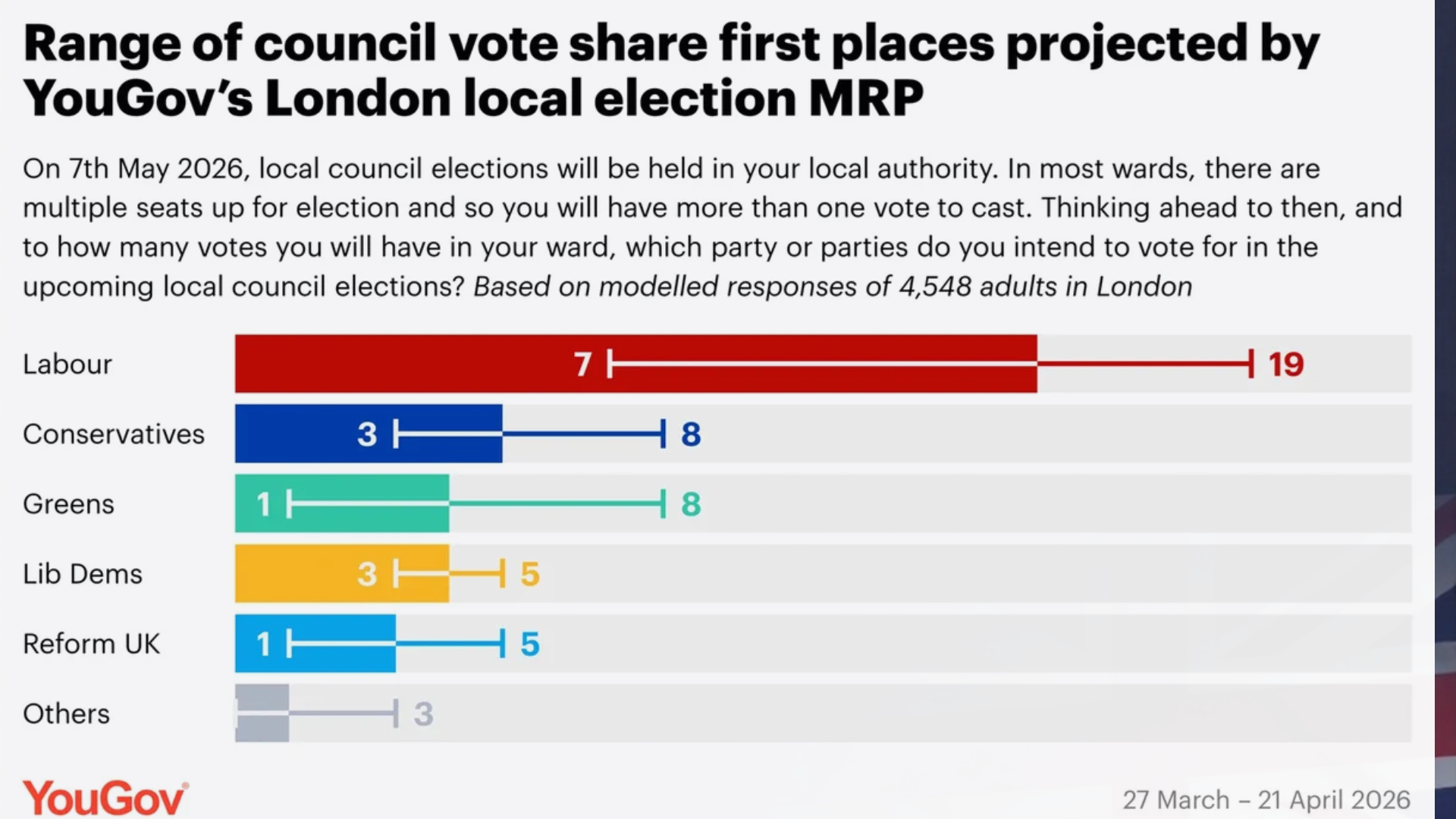
This could lead to more councils with no overall control, requiring coalitions or informal agreements to govern.
If current projections hold, councils across the country may face a more complex political environment.
Decision-making could become more contested, with competing priorities and policy approaches needing to be negotiated between parties.
This may result in slower policy implementation in some areas, but could also reflect a broader range of voter perspectives being represented.
While local elections are primarily focused on councils, the results are often seen as an indicator of wider political sentiment.
Significant losses for major parties, combined with gains for smaller groups, could influence national strategies and messaging in the months ahead.