A Commons Showdown That Escalated Fast
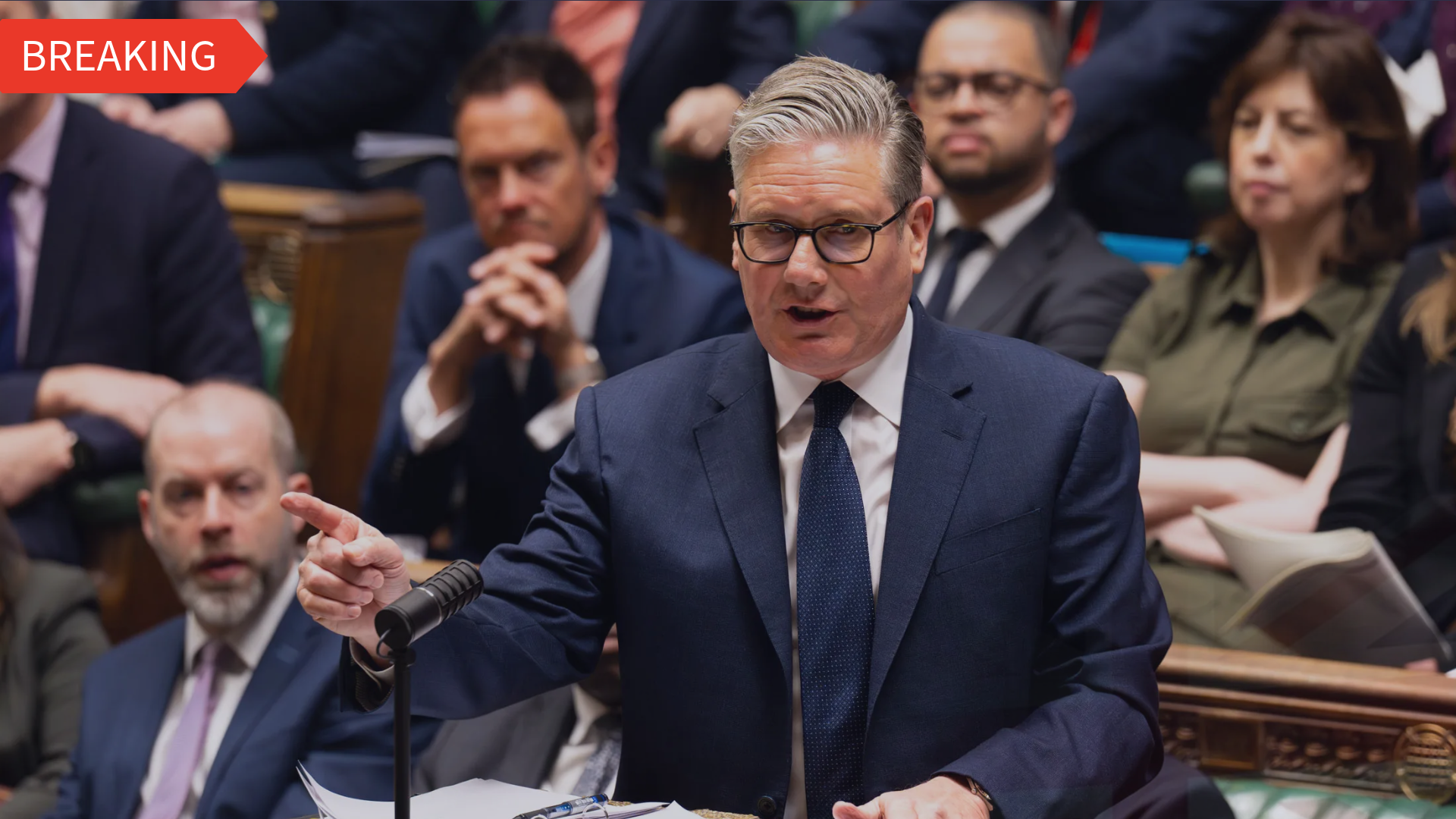
Prime Minister Keir Starmer faced one of the most intense moments of his premiership in the House of Commons today, as MPs from across the political spectrum pressed him over the deepening scandal surrounding Peter Mandelson’s appointment as UK Ambassador to the United States.
At the heart of the controversy is a revelation that senior officials made a “deliberate decision” not to inform the Prime Minister that Mandelson had failed top-level security vetting before his appointment was confirmed.
Under sustained questioning, Starmer acknowledged the gravity of the situation, telling MPs that he would not have approved the appointment had he been aware of the failed clearance.
In a striking admission, Starmer described the breakdown in communication as both “staggering” and “unforgivable,” signalling the seriousness of the crisis now engulfing his government.
The revelation has raised fundamental questions about how such critical information could be withheld at the highest levels of government, and whether safeguards designed to protect national security were bypassed.
The controversy deepened further with confirmation that the Foreign Office had overruled security concerns during the appointment process, allowing Mandelson to take up the high-profile diplomatic role despite unresolved issues.
The fallout has already claimed one of the most senior figures in Whitehall.
Olly Robbins, the Foreign Office’s permanent under-secretary, has effectively been forced out of his position after losing the confidence of the government.
His departure marks a dramatic escalation, transforming what began as a political controversy into a full-blown institutional crisis.
Robbins is now expected to face MPs in a high-stakes session that could reveal further details about how and why the decision to withhold information was made.
Opposition parties seized on the admission immediately, accusing the government of presiding over a systemic failure, or worse, a cover-up.
Critics argue that the Prime Minister’s claim of being kept in the dark raises as many questions as it answers. Some MPs have gone further, suggesting that responsibility ultimately lies with No.10, regardless of internal failures.
Calls for Starmer’s resignation are growing louder, with political rivals framing the scandal as a test of leadership, accountability, and trust.
For Starmer, the crisis represents one of the most serious threats to his authority since taking office.
The central issue is no longer just the appointment itself, but whether the Prime Minister maintains control over the machinery of government.
If key decisions and critical information can bypass the Prime Minister, it raises concerns about oversight at the very top.
What makes this situation particularly volatile is its momentum.
Each new revelation has intensified scrutiny, keeping the story at the top of the political agenda and dominating discussions across media and platforms like Twitter/X.
Rather than fading, the scandal appears to be expanding, drawing in senior officials, raising constitutional questions, and fuelling a wider debate about transparency in government.
All eyes are now on the next phase of the crisis.
The upcoming parliamentary session involving Olly Robbins could prove pivotal, potentially shedding light on whether this was an isolated failure or part of a deeper systemic issue.