
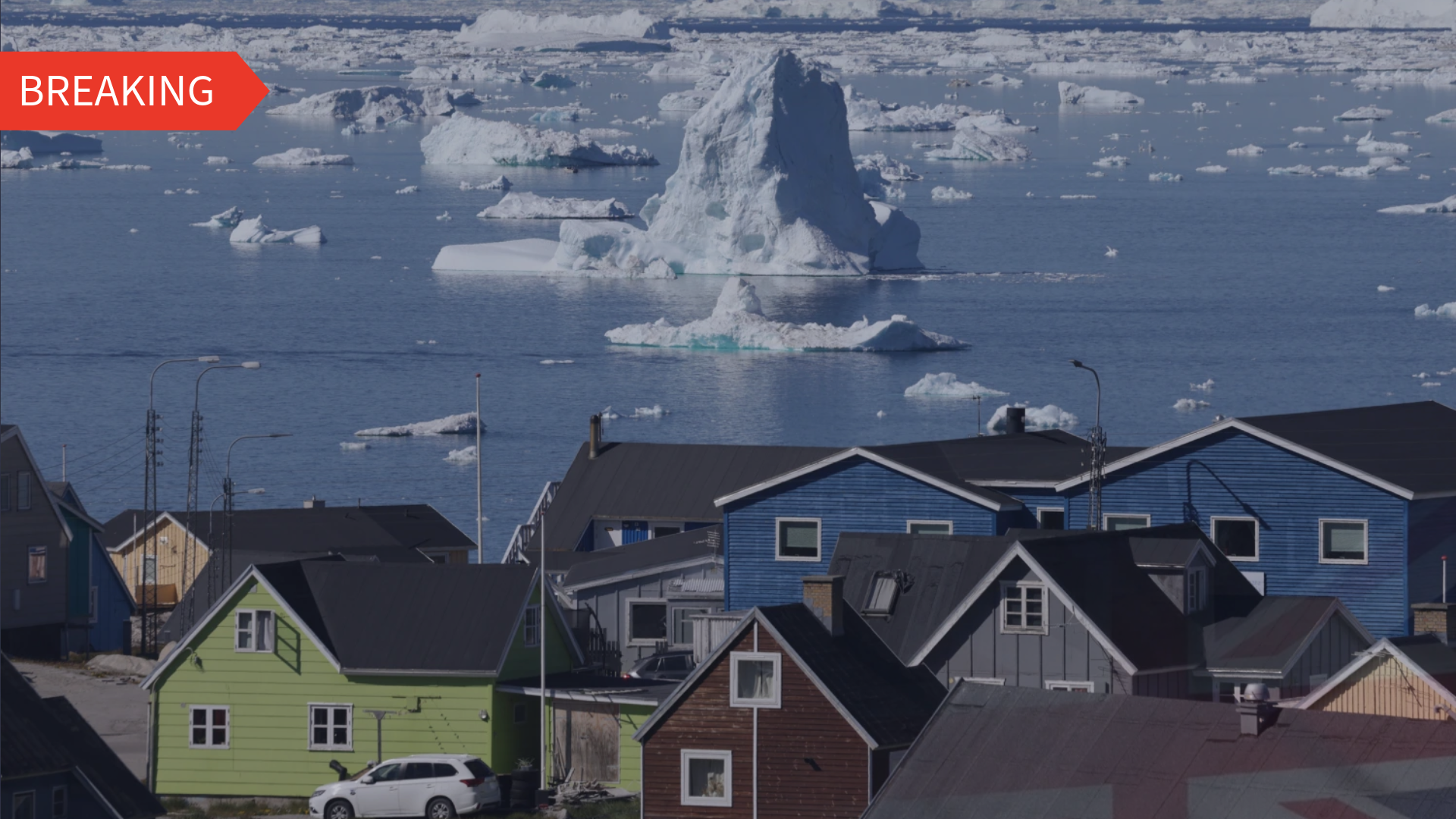
A System Under Pressure
A series of recent scientific findings is converging on a stark message:
The global climate system is showing signs of instability, not just gradual change, but potential tipping points.
At the centre of concern is the Atlantic Meridional Overturning Circulation (AMOC), a vast ocean “conveyor belt” that regulates temperatures across Europe, North America, and beyond.
New research suggests the system is weakening, with projections indicating it could decline by 40–60% by the end of the century.
The AMOC transports warm water from the tropics toward Europe, helping keep climates, particularly in the UK, milder than they would otherwise be.
Scientists warn that a significant slowdown, or potential collapse, could trigger:
- Cooling across northern Europe
- Severe droughts in the southern regions
- Disrupted rainfall patterns globally
- Rising sea levels along parts of the US East Coast
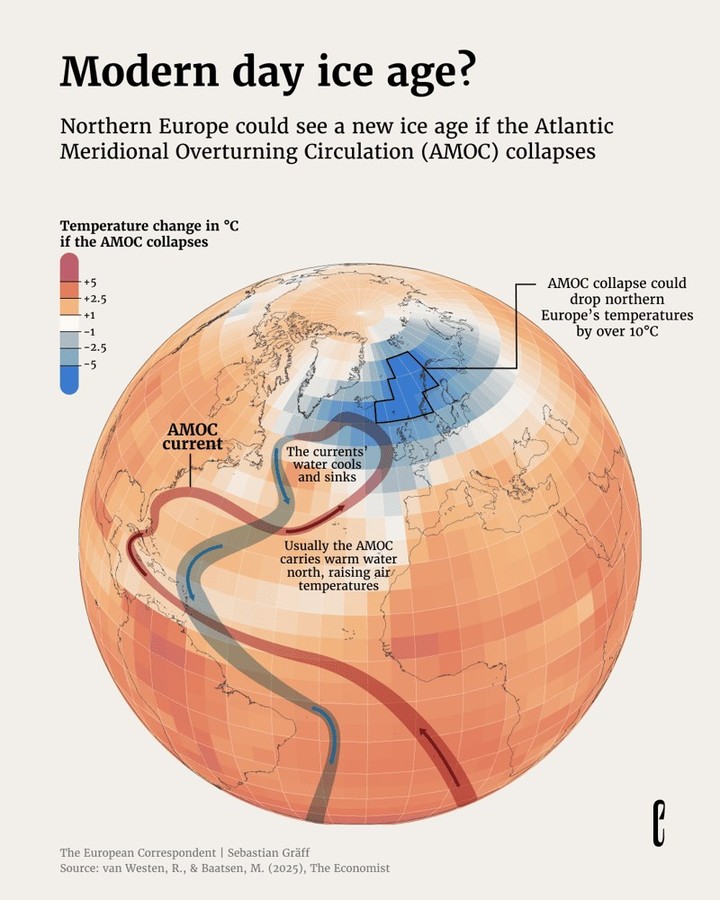
While the exact timing remains uncertain, multiple studies now agree that the system is already weakening and may be approaching a critical threshold.
At the same time, global temperatures are rapidly approaching a key limit set under the Paris Agreement.
Recent data show that 2024 was the first year to exceed 1.5°C of warming above pre-industrial levels, with scientists warning that a sustained breach is now likely within the next decade.
Crossing this threshold significantly increases risks, including:
- More intense heatwaves
- Stronger storms and flooding
- Crop failures and water shortages
The concern is not just higher temperatures, but the cascading effects they trigger.
Meanwhile, polar ice systems are showing accelerating change.
Greenland and Antarctic ice sheets are losing mass at increasing rates, contributing to rising global sea levels and raising concerns about long-term coastal impacts.
Scientists warn that some glaciers may already have passed irreversible melt thresholds, locking in future sea-level rise even if emissions are reduced.
Across the globe, climate scientists are observing a clear intensification of extreme weather events.
Warmer air holds more moisture and energy, leading to:
- Longer dry periods followed by intense rainfall
- Stronger storms fueled by warmer oceans
- More frequent heatwaves and wildfires
This shift is making weather patterns less predictable, which experts say can be even more damaging than gradual changes.
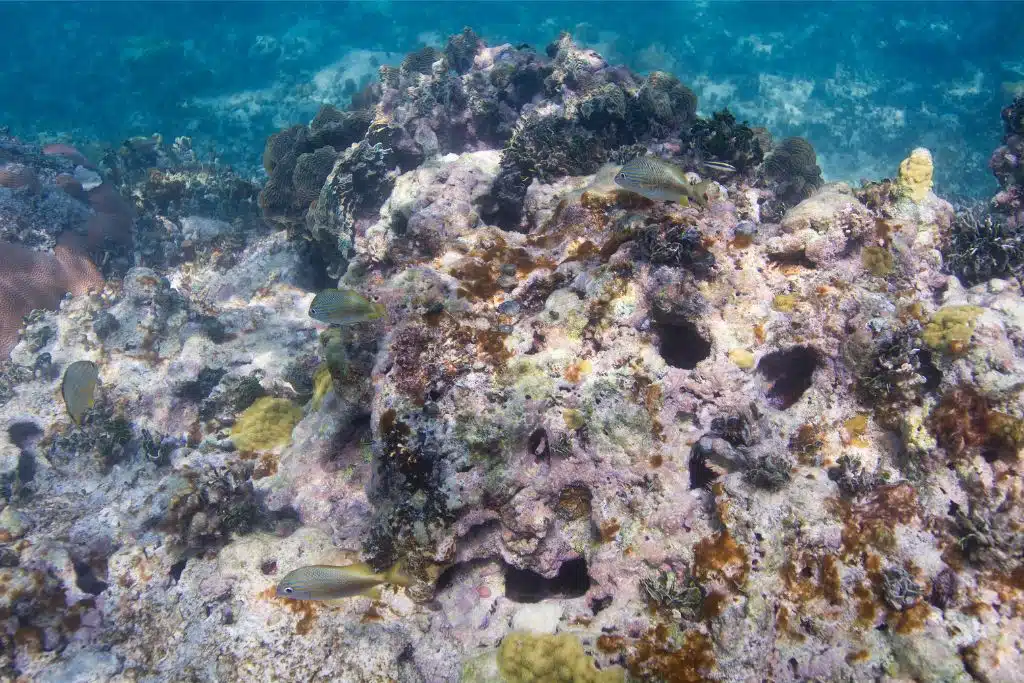
Natural systems that help regulate the climate are also under pressure. Recent research highlights widespread strain across ecosystems:
- Coral reef die-offs linked to rising ocean temperatures
- Forest degradation and biodiversity loss
- Reduced the capacity of ecosystems to absorb carbon
These changes matter because once ecosystems degrade, they can amplify climate change instead of helping to slow it.
Scientists are increasingly focused on feedback loops, self-reinforcing cycles that accelerate warming.
Examples include:
- Melting ice is reducing Earth’s reflectivity, increasing heat absorption
- Thawing permafrost is releasing methane, a powerful greenhouse gas
- Forest loss reduces carbon storage capacity
These processes can make climate change harder to control once certain thresholds are crossed.
Perhaps the most significant change is not just in the data, but in how scientists are talking about it.
The conversation is moving from:
- gradual, linear change
to:
- tipping points and system instability
There is also growing emphasis on adaptation, preparing societies for impacts that may now be unavoidable.
The emerging picture is complex but clear:
- The climate is still warming
- Key systems may be approaching critical thresholds
- Risks are becoming more interconnected and less predictable
At the same time, experts stress that outcomes are not fixed.
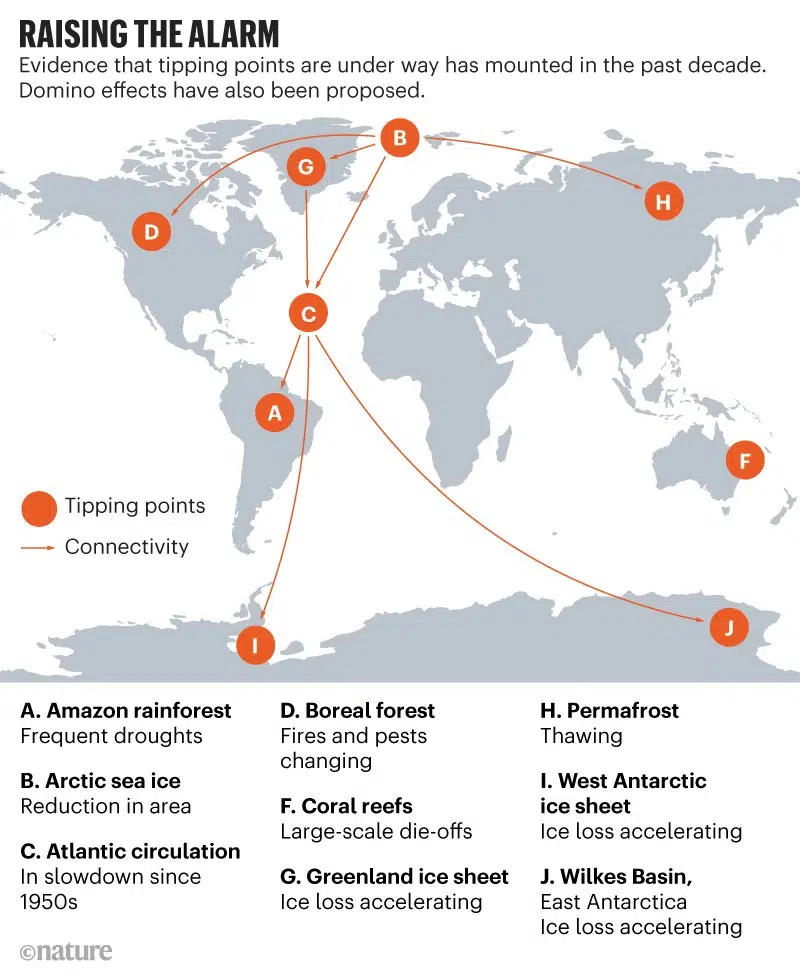
The science points to increasing risk, but not inevitability.
Decisions on emissions, policy, and adaptation will still shape how severe the impacts become.
The warning from scientists is not that change is coming, but that some of it may already be underway.