A Nation Asking: Where Are the Priorities?
Across towns and cities, from London to smaller communities in the North, there is a growing sense of frustration among ordinary people who feel the country’s priorities are shifting away from their everyday realities.
Rising costs, stretched services, and economic uncertainty have created a backdrop where even routine expenses, energy bills, rent, and groceries are under constant scrutiny. For many households, the issue is no longer abstract economics; it is a daily balancing act.
Against this backdrop, public debate has increasingly turned toward how government resources are allocated, both domestically and internationally.
One of the clearest concerns raised by citizens is the state of public services.
The National Health Service continues to face long waiting lists, staffing shortages, and rising demand. Local councils warn of funding gaps, while policing and housing services report increasing strain.
Many people are asking a simple question: if services at home are under pressure, should more focus and funding be directed inward?
This sentiment is not confined to one political group. It is being echoed across online discussions, community meetings, and local campaigns.
At the same time, UK foreign policy decisions are facing heightened scrutiny.
The government’s position on international conflicts, including its support for allies, has sparked debate about the role Britain should play on the global stage. Some citizens argue that the UK has a responsibility to stand with partners and uphold international commitments.
Others, however, are increasingly vocal in questioning whether taxpayer money should be used to support overseas military or political efforts while domestic issues remain unresolved.
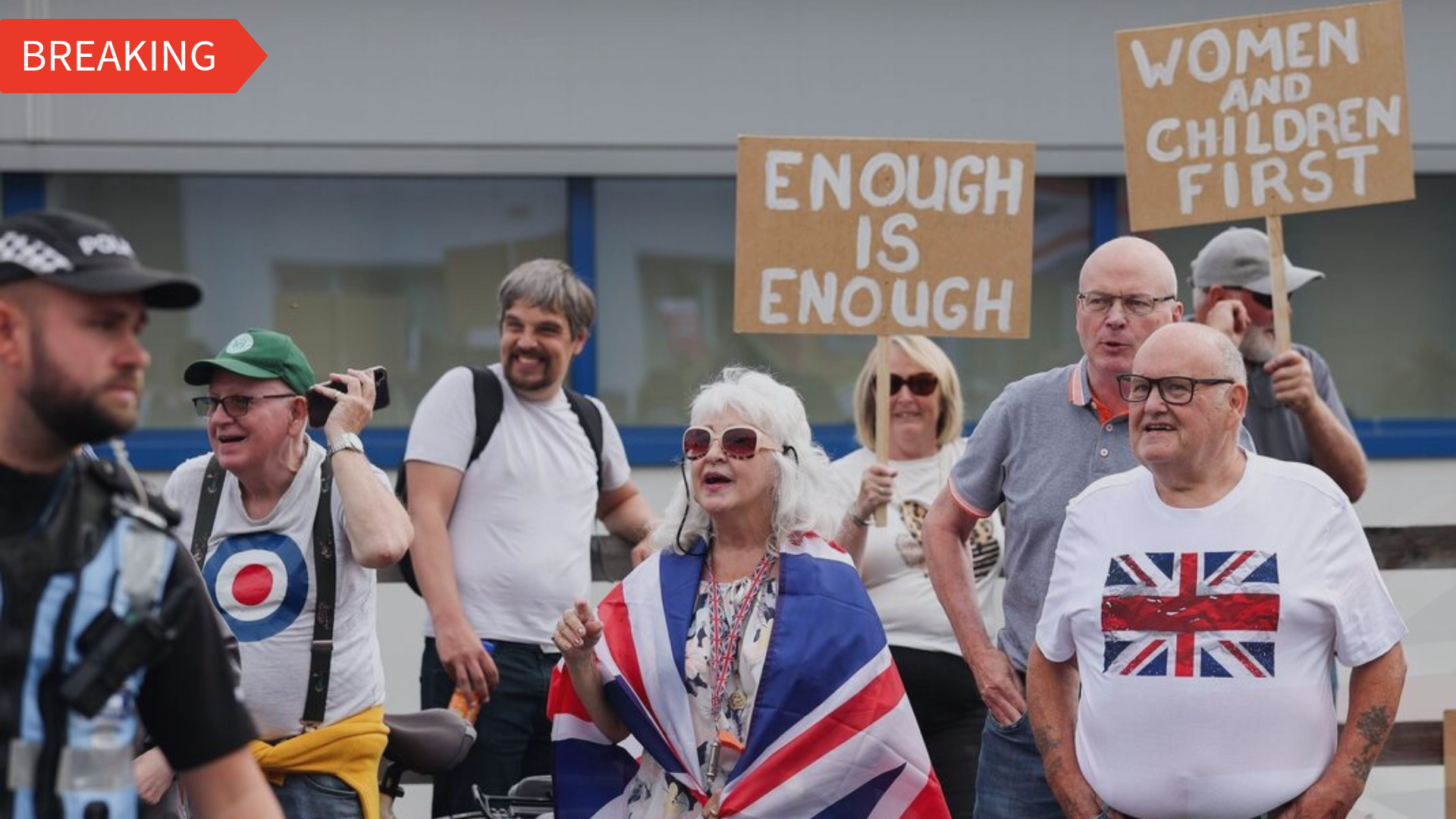
Protests in several UK cities have highlighted this divide, with demonstrators calling for greater transparency and accountability over how public funds are used abroad.
This debate has also evolved into a broader conversation about national identity and values.
For some, “British values” are tied to fairness, self-reliance, and prioritising the well-being of citizens at home. For others, they include international responsibility, humanitarian support, and global engagement.
These perspectives are not always mutually exclusive, but in times of economic pressure, the tension between them becomes more pronounced.
On platforms like X and Facebook, these discussions are playing out in real time, often with strong opinions and emotional responses on all sides.
Beyond online debate, many citizens are taking tangible steps.
Community groups are organising local support networks, from food banks to neighbourhood safety initiatives. Campaigns are calling for policy changes, whether on taxation, spending, or service delivery.
Peaceful protests and public demonstrations have also become more frequent, reflecting a desire among some groups to influence decision-making more directly.
What makes this moment significant is not just the individual issues, but how they are converging.
Economic pressure, service strain, and foreign policy debates are feeding into a broader sense that the system needs to respond more directly to the concerns of everyday people.