From Marches to Direct Action
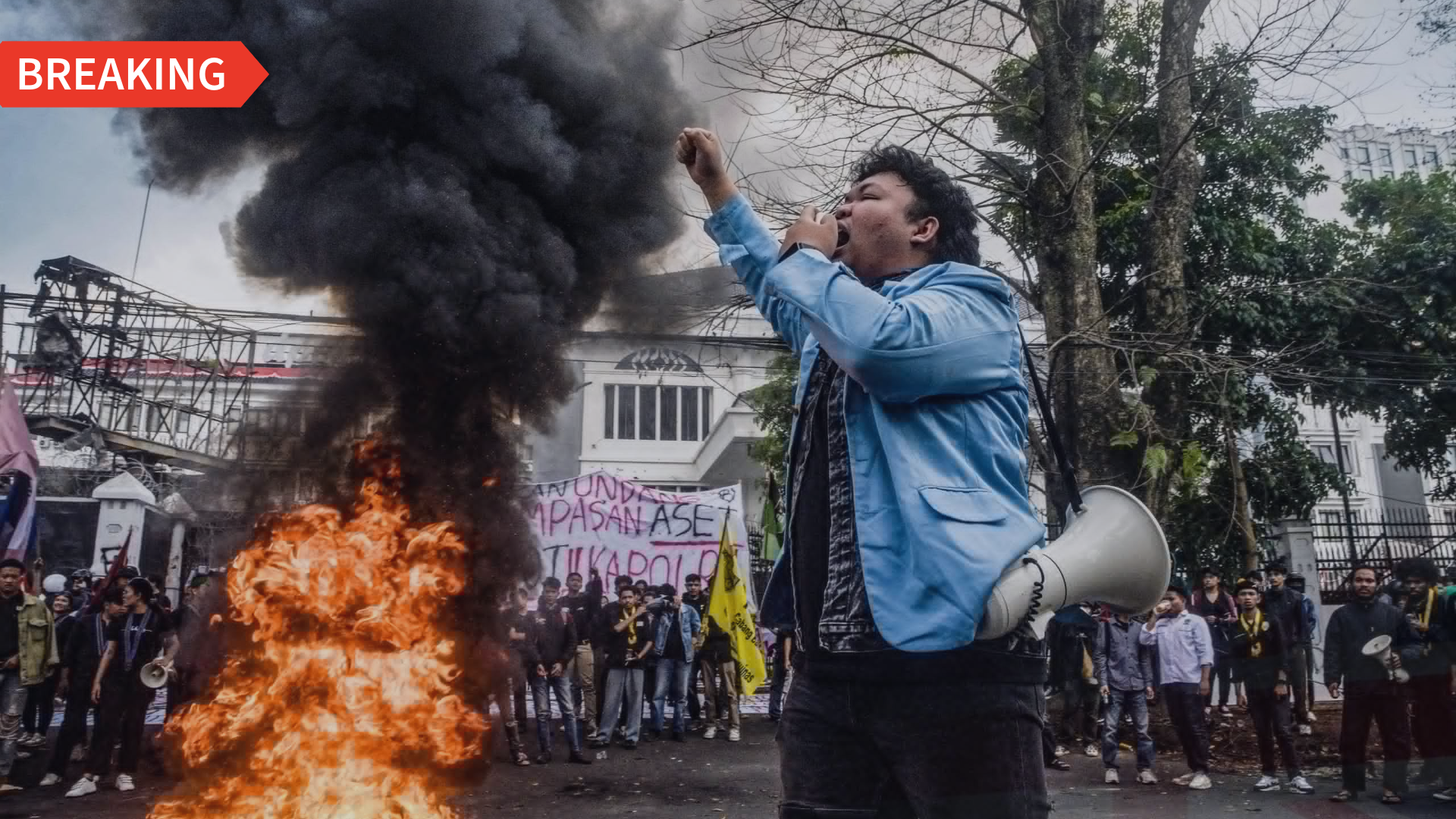
Across parts of Europe, protest movements appear to be changing in both style and strategy.
While large demonstrations and marches remain common, there has been a noticeable rise in actions aimed directly at infrastructure, industrial sites, and supply chains. These include factory occupations, blockades, and attempts to halt production or transport.
Campaigners say such tactics are intended to draw attention to urgent issues and apply pressure where it is most strongly felt, on economic activity.
Analysts suggest this shift reflects a move towards more targeted and organised forms of activism.
Rather than focusing only on public visibility, some groups are now aiming to disrupt systems they see as contributing to political or environmental problems. This can involve coordinated actions at key sites such as warehouses, ports, or manufacturing facilities.
Supporters argue that peaceful protest alone is no longer enough to bring about change, while critics say such actions risk crossing into unlawful disruption.
The effects of these actions are increasingly being felt beyond the protest sites themselves.
Disruption to supply chains can lead to delays in goods, interruptions in services, and wider economic consequences. Businesses and local authorities have raised concerns about the potential cost of repeated actions, particularly in sectors already under pressure.
In some cases, police have been required to intervene to remove demonstrators or secure access to affected facilities. Law enforcement agencies across Europe are facing new challenges as protests become more complex.
Responding to targeted disruption often requires more resources and coordination than managing traditional demonstrations. Authorities must balance the right to protest with the need to maintain public safety and economic stability.
Some governments are now reviewing laws related to protest activity, with proposals aimed at addressing disruptive tactics while protecting civil liberties.
Public opinion on these developments remains mixed. Some people see the shift as a necessary escalation in response to issues such as climate change, economic inequality, or political inaction. Others are concerned about the impact on workers, businesses, and everyday life.
Debate continues over where the line should be drawn between legitimate protest and unacceptable disruption. What is clear is that activism in Europe is evolving.
The move towards more direct forms of action suggests a broader shift in how campaigners seek to influence decision-making and public debate.
As these tactics become more common, governments, businesses, and communities will need to respond to a changing protest landscape, one that is more strategic and at times, more disruptive.
Experts say the coming months will be important in shaping how this trend develops.