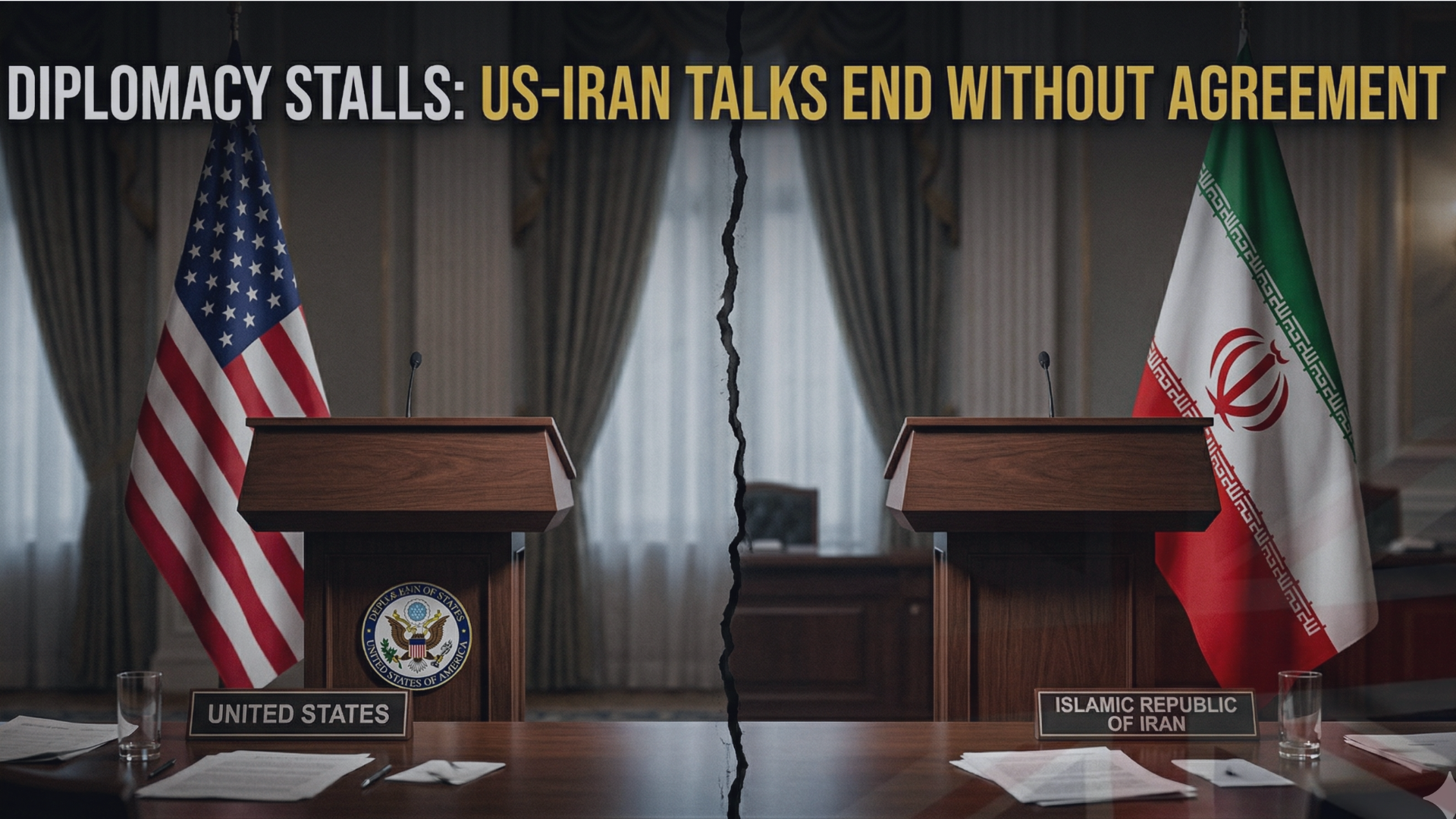
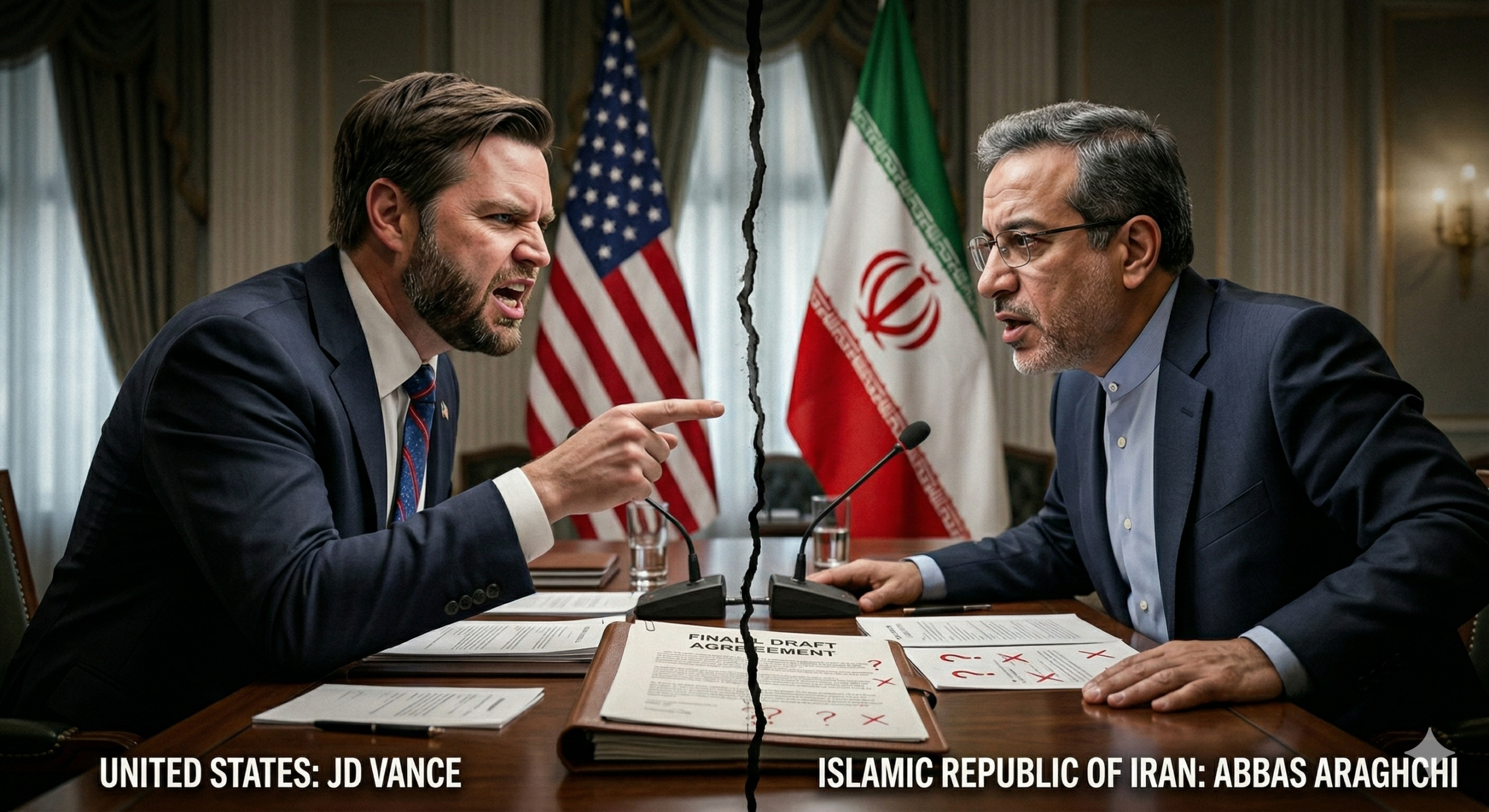
The global geopolitical equilibrium has been severely disrupted following the collapse of a 21-hour peace negotiation between the United States and Iran in Islamabad, a diplomatic effort overseen by U.S. Vice President JD Vance. In immediate response to the diplomatic breakdown, President Donald Trump ordered the U.S. Navy to implement a blockade of the Strait of Hormuz, declaring that any vessel paying “illegal tolls” to the Iranian regime would be interdicted and denied safe passage. This maneuver follows what international commentators are terming the “12-day war,” encompassing sweeping U.S. and Israeli strikes on Iran’s nuclear infrastructure, which sparked a fierce battle of narratives regarding deterrence and regional supremacy.
The UK government has explicitly declined to participate in the American blockade. British officials emphasize the paramount importance of “freedom of navigation” and the urgent need to keep the shipping lane open to support the global economy and mitigate escalating domestic inflation. Instead, the UK is actively coordinating with France and other European partners to establish a “wide coalition” aimed at protecting maritime trade routes independently of the U.S. military posture. UK Prime Minister Keir Starmer and Oman’s Sultan Haitham bin Tarik al Said have engaged in urgent bilateral discussions, urging a continuation of the ceasefire and coordinating efforts to rescue sailors from distressed vessels. UK Health Secretary Wes Streeting publicly condemned Trump’s social media rhetoric as “incendiary” and “provocative,” criticizing threats to end Iranian civilization as extraordinary breaches of diplomatic norms.
This divergence in strategy underscores a widening transatlantic rift, further exacerbated by Trump’s aggressive posture toward the North Atlantic Treaty Organization (NATO). In interviews with The Telegraph and Reuters, Trump explicitly confirmed he is considering withdrawing the United States from the alliance, labeling NATO a “paper tiger” and criticizing European members for failing to deploy military assets to reopen the Strait of Hormuz. Trump’s assertion that the U.S. “won’t be there to help” allies who do not fight for themselves signals a profound shift toward isolationist American foreign policy.
The macroeconomic implications of this geopolitical instability are profound for the UK and the broader European Union. The closure of the Strait of Hormuz has precipitated a severe jet fuel crisis, prompting warnings from the Airports Council International regarding imminent fuel shortages across Europe. The UK economy is heavily reliant on its £550 billion service export sector, which necessitates over 5.3 million business flights annually to maintain global relationships. Geopolitical analysts argue that the UK may be forced to ration commercial flights, prioritizing essential business travel over civilian holidays to avert a deep economic recession, a scenario reflecting the EU’s broader “energy naivety” that has left the continent exposed to historic energy shocks.
| Geopolitical Flashpoint | Key Actors | Core Dispute / Action | UK Strategic Position |
| Strait of Hormuz | USA, Iran, EU | U.S. Naval blockade over “illegal tolls” after failed Islamabad peace talks. | Non-participation; pursuing independent European naval coalition. |
| NATO Membership | USA, UK, Europe | U.S. considering withdrawal; Trump labels alliance a “paper tiger”. | Emphasis on independent European coordination and diplomacy. |
| Iran Nuclear Infra | USA, Israel, Iran | “12-day war” strikes on Iranian facilities; ongoing narrative battle. | Calling for de-escalation and sustainable negotiated settlements. |
| Middle East Hostages | USA, Israel, Hamas | Release of Edan Alexander secured via U.S.-Qatar backchannels. | Observing U.S. diplomatic unilateralism under Trump’s administration. |